

What is the best way to test an adhesive can on PVC?
Sep 07, 2026
Hey there! As a supplier of PVC and adhesive cans, I've had my fair share of experiences when it comes to testing these products. Figuring out the best way to test an adhesive can on PVC is super important, not just for us suppliers but for anyone who uses these products. So, let's dive right in and explore the ins and outs of this testing process.
First off, why is it so crucial to test the adhesive can on PVC? Well, PVC is a widely used material in many industries, from construction to DIY projects. And the adhesive you use on it needs to work perfectly. If the adhesive doesn't bond well, it can lead to all sorts of problems like things coming apart, which is a huge headache for everyone involved. So, a proper test can save a lot of time, money, and frustration down the line.
Now, let's talk about the different types of adhesive cans we offer. We've got a variety of options, like the Flat Top Adhesive Tin Can With Lid. This one is great because it's easy to store and has a nice, tight - fitting lid to keep the adhesive fresh. Then there's the 16oz Pvc Can With Cap, which is a popular size for medium - sized projects. And if you need something smaller, the 4oz Glue Can is perfect for those quick, little jobs. For larger projects, we have the 32oz Glue Can. And of course, our general Pvc Can comes in handy in many situations.
So, what's the best way to test these adhesive cans on PVC?
1. Surface Preparation
Before you even think about applying the adhesive, you need to make sure the PVC surface is clean. PVC can have a thin layer of dust, grease, or other contaminants on it. Use a mild detergent and a clean cloth to wipe the surface. Rinse it thoroughly and let it dry completely. Any leftover dirt or moisture can prevent the adhesive from bonding properly.
2. Test Area Selection
Pick a small, inconspicuous area on the PVC to do your test. This could be a corner or an area that won't be seen once the project is done. Using a test area helps you avoid ruining the whole piece of PVC if the adhesive doesn't work as expected.
3. Adhesive Application
Open the adhesive can carefully. Make sure to follow the instructions on the can regarding the application method. Some adhesives need to be applied with a brush, while others can be squeezed out. Apply a thin, even layer of the adhesive on the test area of the PVC. Don't go too thick, as this can lead to uneven drying and a weaker bond.
4. Bonding Process
Once the adhesive is applied, press another piece of PVC (or the material you're going to bond to the PVC) firmly onto the test area. Hold it in place for the recommended time, which is usually mentioned on the adhesive can. This pressure helps the adhesive spread and create a good bond.
5. Drying Time
Let the adhesive dry according to the specified drying time on the can. Drying time can vary depending on the type of adhesive, the temperature, and the humidity. It's important not to disturb the bonded area during this time.
6. Testing the Bond
After the drying time is up, it's time to see if the bond is strong. You can do a simple pull test. Gently try to separate the two bonded pieces of PVC. If the bond holds and there's no sign of the adhesive coming off easily, it's a good sign. However, if the pieces separate with little effort or if the adhesive peels off, then there's a problem.
7. Environmental Testing
If the PVC and the bonded parts are going to be exposed to different environmental conditions, it's a good idea to do some environmental testing. For example, if it's going to be in a humid area, you can place the bonded test piece in a humid environment for a few days and then check the bond again.
There are also some other things to keep in mind during the testing process. Always read the safety instructions on the adhesive can. Some adhesives can be toxic or flammable, so you need to take the necessary precautions. Also, make sure to test different batches of the adhesive if you've got a large order. Sometimes, there can be slight variations between batches.
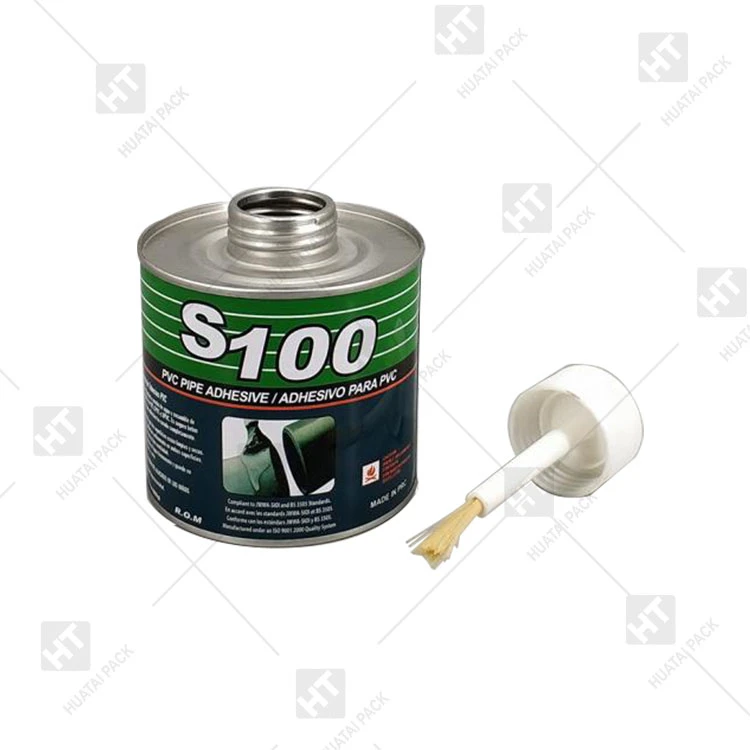

Once you've completed the tests and everything seems to be working well, you can be confident in using our adhesive cans for your PVC projects. Whether you're a professional contractor or a DIY enthusiast, our products are designed to meet your needs.
If you're interested in purchasing our PVC and adhesive cans or have any questions about the testing process or our products in general, don't hesitate to reach out. We're here to help you make the best choice for your projects.