

How to transport a 5 gallon tin pail safely?
Aug 19, 2025
As a supplier of 5-gallon tin pails, I understand the importance of safe transportation. Whether you're shipping these containers across town or across the country, ensuring their safe arrival is crucial for both your business and your customers. In this blog post, I'll share some tips and best practices on how to transport a 5-gallon tin pail safely.
Understanding the 5-Gallon Tin Pail
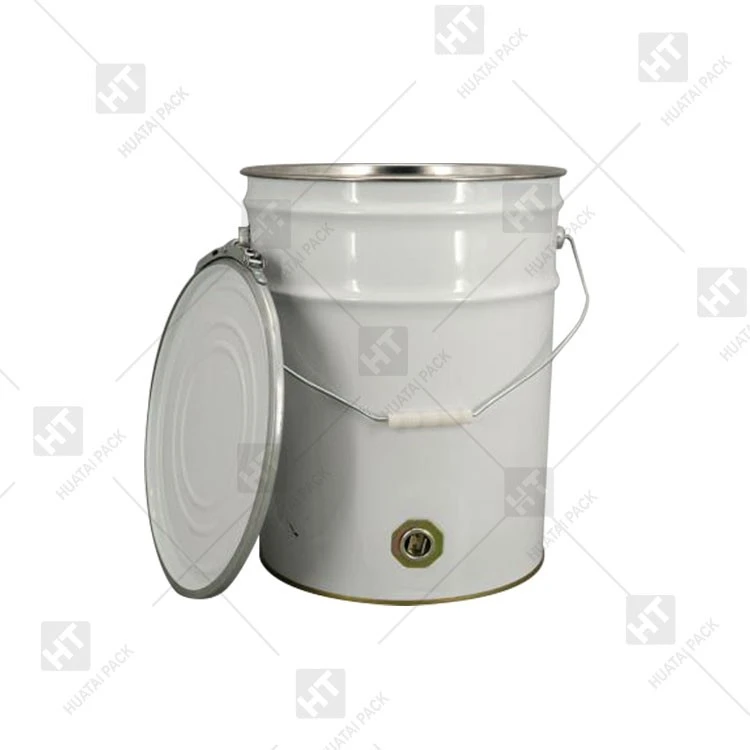
Before we dive into the transportation details, let's briefly understand what a 5-gallon tin pail is. These pails are typically made of tinplate, a thin sheet of steel coated with tin to prevent rusting. They are commonly used for storing and transporting various substances, including paints, chemicals, food products, and more. The 5-gallon capacity makes them a popular choice for both industrial and consumer applications.
Preparing the Tin Pail for Transportation
The first step in safe transportation is proper preparation of the tin pail. Here are some key steps to follow:
1. Seal the Pail Properly
Ensure that the pail is tightly sealed to prevent any leaks during transportation. Most 5-gallon tin pails come with a lid that can be secured using a locking mechanism. Make sure the lid is properly aligned and tightened to create a watertight seal. If necessary, use additional sealing materials such as gaskets or tape to enhance the seal.
2. Label the Pail Clearly
Label the pail with the contents, any relevant safety information, and handling instructions. This will help the transportation personnel to handle the pail correctly and take appropriate precautions. Use clear and visible labels that are resistant to fading and smudging.
3. Inspect the Pail for Damage
Before loading the pail onto the transport vehicle, inspect it for any signs of damage, such as dents, scratches, or rust. Damaged pails may be more prone to leaks or breakage during transportation. If you notice any damage, replace the pail or repair it before shipping.
4. Secure the Pail
To prevent the pail from moving or tipping over during transportation, secure it in place. You can use straps, ropes, or other fastening materials to secure the pail to the transport vehicle. Make sure the pail is stable and cannot be easily dislodged.
Choosing the Right Transportation Method
The choice of transportation method depends on several factors, including the distance, the nature of the contents, and the quantity of pails being shipped. Here are some common transportation methods for 5-gallon tin pails:
1. Road Transportation
Road transportation is the most common method for shipping 5-gallon tin pails. It is suitable for short to medium distances and offers flexibility in terms of delivery schedules. When using road transportation, make sure the transport vehicle is in good condition and has proper safety features, such as shock absorbers and tie-down points.
2. Rail Transportation
Rail transportation is a cost-effective option for shipping large quantities of 5-gallon tin pails over long distances. It is also more environmentally friendly than road transportation. However, rail transportation may have longer transit times and require additional handling at the loading and unloading points.
3. Air Transportation
Air transportation is the fastest option for shipping 5-gallon tin pails, especially for urgent or time-sensitive deliveries. However, it is also the most expensive option and may have restrictions on the types of contents that can be shipped. When using air transportation, make sure to comply with all relevant safety regulations and requirements.
4. Sea Transportation
Sea transportation is suitable for shipping large quantities of 5-gallon tin pails overseas. It is a cost-effective option for long-distance shipments, but it may have longer transit times and require additional handling at the ports. When using sea transportation, make sure to choose a reliable shipping company and follow all relevant customs and import/export regulations.
Handling and Loading the Pails
Proper handling and loading of the pails are essential for safe transportation. Here are some tips to follow:
1. Use Appropriate Handling Equipment
Use appropriate handling equipment, such as forklifts, pallet jacks, or hand trucks, to lift and move the pails. Make sure the handling equipment is in good condition and has the capacity to handle the weight of the pails.

2. Load the Pails Securely
When loading the pails onto the transport vehicle, make sure they are loaded securely and cannot move or tip over during transportation. Stack the pails neatly and use dividers or spacers to prevent them from rubbing against each other. If necessary, use straps or ropes to secure the pails to the transport vehicle.
3. Follow Loading and Unloading Procedures
Follow the loading and unloading procedures recommended by the transport company or the manufacturer of the pails. This may include specific instructions on how to stack the pails, how to use the handling equipment, and how to secure the pails during transportation.
4. Take Precautions When Handling Hazardous Materials
If the pails contain hazardous materials, such as chemicals or flammable substances, take extra precautions when handling and transporting them. Make sure to follow all relevant safety regulations and requirements, such as using appropriate personal protective equipment (PPE), storing the pails in a well-ventilated area, and avoiding exposure to heat or flames.
Monitoring and Tracking the Shipment
Once the pails are loaded onto the transport vehicle, it's important to monitor and track the shipment to ensure its safe arrival. Here are some ways to do this:
1. Use Tracking Technology
Many transport companies offer tracking technology that allows you to monitor the location and status of your shipment in real-time. This can help you to identify any potential issues or delays and take appropriate action to ensure the safe arrival of the pails.
2. Communicate with the Transport Company
Stay in regular communication with the transport company to get updates on the shipment and to address any concerns or questions you may have. Make sure to provide them with all the necessary information, such as the destination address, the contact person, and any special instructions.
3. Inspect the Pails Upon Arrival
When the shipment arrives at its destination, inspect the pails for any signs of damage or leakage. If you notice any issues, document them and notify the transport company immediately. This will help you to resolve any disputes or claims quickly and efficiently.
Conclusion
Transporting a 5-gallon tin pail safely requires careful planning, proper preparation, and attention to detail. By following the tips and best practices outlined in this blog post, you can ensure that your pails arrive at their destination safely and in good condition. Remember to choose the right transportation method, handle and load the pails properly, and monitor and track the shipment throughout the journey.
If you're interested in purchasing 5-gallon tin pails or other related products, such as 4L Round Tinplate Can, Metal Barrel with Flower Lid, or Iron Barrel For Paint, please feel free to contact us. We'll be happy to assist you with your purchase and provide you with more information on our products and services.
References
- "Transportation of Hazardous Materials: A Guide for Shippers and Carriers." U.S. Department of Transportation, Federal Motor Carrier Safety Administration, 2023.
- "Safe Handling and Storage of Chemicals." Occupational Safety and Health Administration (OSHA), 2023.
- "Shipping Regulations for Dangerous Goods." International Air Transport Association (IATA), 2023.