

How to prevent a lid from cracking?
Aug 20, 2025
Hey there! As a supplier of lids, rings, and bottoms, I've seen my fair share of lid cracking issues. It's a headache for both us suppliers and you, the customers. But don't worry, I'm here to share some tips on how to prevent a lid from cracking.
Understanding Why Lids Crack
Before we jump into the prevention methods, let's first understand why lids crack in the first place. There are several factors that can contribute to lid cracking, and being aware of them is the first step in preventing it.
Material Quality
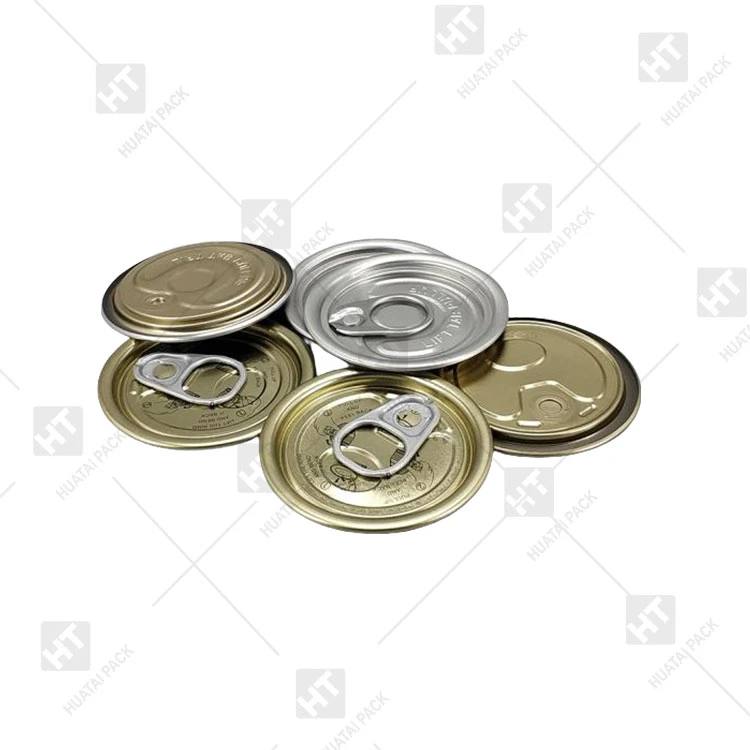
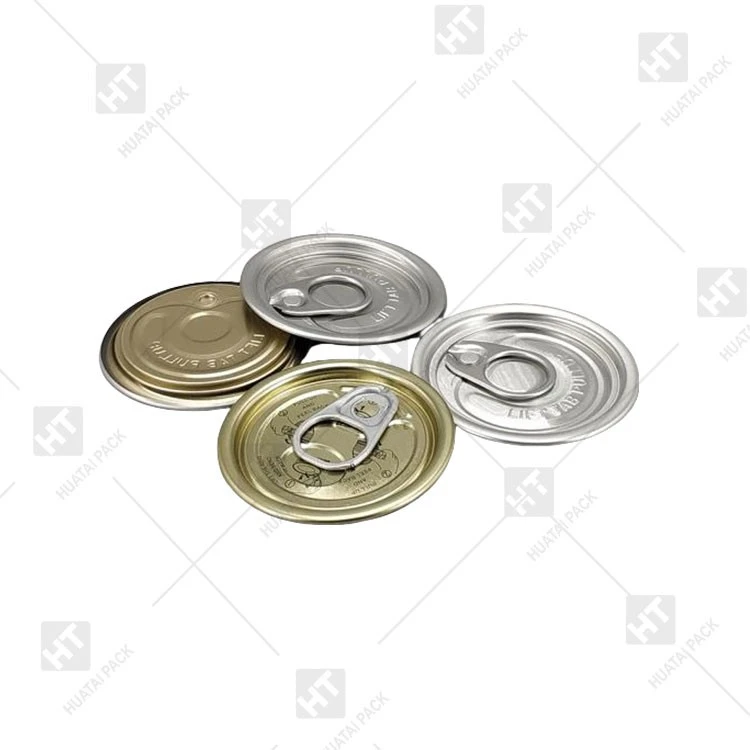
The quality of the material used to make the lid is crucial. If the material is of poor quality, it may not have the necessary strength and flexibility to withstand normal wear and tear. For example, if the plastic used in a lid is too brittle, it can easily crack when exposed to pressure or temperature changes. As a supplier, we always make sure to source high - quality materials for our Easy Open Lid. We test the materials thoroughly to ensure they meet our standards for strength and durability.
Manufacturing Defects
Sometimes, lids can have manufacturing defects that make them more prone to cracking. These defects can include uneven thickness, small cracks or voids in the material, or improper sealing. During the manufacturing process, even a small flaw can weaken the lid and cause it to crack over time. That's why we have strict quality control measures in place at our production facilities. We inspect each lid carefully to catch any defects before they leave our factory.
Environmental Factors
Environmental factors can also play a big role in lid cracking. Extreme temperatures, humidity, and exposure to chemicals can all affect the integrity of the lid. For instance, if a lid is stored in a very hot environment, the material may expand and then contract when it cools down, which can lead to cracking. Similarly, exposure to certain chemicals can corrode the lid and make it weaker. If you're using our 1gallon F Style lids, make sure to store them in a cool, dry place away from harsh chemicals.
Improper Use
Finally, improper use can cause lids to crack. For example, if you use too much force when opening or closing a lid, it can put stress on the material and cause it to crack. Also, using a lid that is not designed for a particular container can lead to cracking. Always make sure to use the right lid for your container and handle it gently.
Prevention Methods
Now that we know why lids crack, let's talk about how to prevent it.
Choose the Right Material
When selecting a lid, choose a material that is suitable for your needs. Different materials have different properties, so it's important to pick the one that can withstand the conditions your lid will be exposed to. For example, if you need a lid for a container that will be stored in a cold environment, a lid made of a material that is resistant to low temperatures is a good choice. We offer a variety of lids made from different materials, so you can find the perfect one for your application.
Check for Quality
Before using a lid, inspect it carefully for any signs of damage or defects. Look for cracks, uneven edges, or any other irregularities. If you notice any problems, don't use the lid. Instead, contact us and we'll replace it for you. We stand behind the quality of our products, and we want to make sure you're satisfied with your purchase.
Store Properly
Proper storage is essential for preventing lid cracking. As I mentioned earlier, extreme temperatures and humidity can damage the lid. Store your lids in a cool, dry place where they won't be exposed to direct sunlight or harsh chemicals. If you're using our Accessories For 1L 5L Square Cans, make sure to follow the storage instructions provided.
Handle with Care
When using a lid, handle it gently. Don't use excessive force when opening or closing it. If a lid seems difficult to open, try using a tool designed for the purpose instead of using your hands. Also, make sure to align the lid properly with the container before closing it. This will help to distribute the pressure evenly and reduce the risk of cracking.
Regular Maintenance
Regular maintenance can also help to prevent lid cracking. Clean your lids regularly to remove any dirt or debris that could cause damage. Check the lids periodically for signs of wear and tear, and replace them if necessary. By taking good care of your lids, you can extend their lifespan and prevent cracking.
Our Commitment as a Supplier
As a lid, ring, and bottom supplier, we're committed to providing you with high - quality products that are resistant to cracking. We use the latest manufacturing techniques and the best materials to ensure our lids are strong and durable. We also offer a wide range of products to meet your different needs, whether you need an Easy Open Lid for a food container or a 1gallon F Style lid for a larger container.
If you have any questions or concerns about our products, or if you need help choosing the right lid for your application, don't hesitate to contact us. We have a team of experts who are ready to assist you. We believe in building long - term relationships with our customers, and we want to make sure you're completely satisfied with your purchase.
Let's Connect for Your Procurement Needs
If you're in the market for lids, rings, or bottoms, we'd love to have a chat with you. Whether you're a small business or a large corporation, we can provide you with the products you need at competitive prices. Our goal is to be your trusted supplier, and we're confident that our products will meet your expectations. So, if you're interested in discussing your procurement requirements, just reach out to us. We're looking forward to working with you!
References
- "Plastic Packaging Materials: Properties and Performance" by John W. Goodship
- "Container Closure Systems: Design, Development, and Validation" by Richard A. Nail