

How to tell if the bottom ring lid is of good quality?
Oct 13, 2025
When it comes to the packaging industry, the quality of bottom ring lids plays a crucial role in ensuring the integrity and functionality of various containers. As a dedicated bottom ring lid supplier, I understand the importance of providing high - quality products to our customers. In this blog, I will share some key factors that can help you determine if a bottom ring lid is of good quality.
Material Quality
The first and most fundamental aspect is the material used in the manufacturing of the bottom ring lid. High - quality lids are typically made from materials that are durable, corrosion - resistant, and food - safe if they are intended for food packaging.
For example, stainless steel is a popular choice for many bottom ring lids. It offers excellent strength and resistance to rust and corrosion, making it suitable for long - term storage and use in various environments. Aluminum is another lightweight yet strong material that is often used. It has good malleability, which allows for precise shaping during the manufacturing process.
When evaluating the material quality, you can look for certifications such as FDA approval for food - contact applications. This indicates that the material meets the strict safety standards set by the regulatory authorities. Additionally, you can perform simple visual inspections. A good - quality material should have a smooth finish, without any visible cracks, scratches, or impurities.
Design and Engineering
The design of the bottom ring lid is equally important as the material. A well - designed lid should fit snugly on the container, providing a tight seal to prevent leakage and contamination.
The shape and dimensions of the lid must be accurately engineered to match the specific container it is intended for. For instance, if it is a lid for a Accessories For 1L 5L Square Cans, the corners and edges should be precisely formed to ensure a proper fit. The ring part of the lid should have the right diameter and width to grip the container firmly.
Some advanced designs may incorporate features such as gaskets or seals. These additional components can enhance the sealing performance of the lid. For example, a rubber gasket can create a more airtight and watertight seal, which is especially important for products that are sensitive to moisture or air exposure.
Manufacturing Precision
The manufacturing process of the bottom ring lid greatly affects its quality. High - precision manufacturing techniques ensure that each lid meets the required specifications.
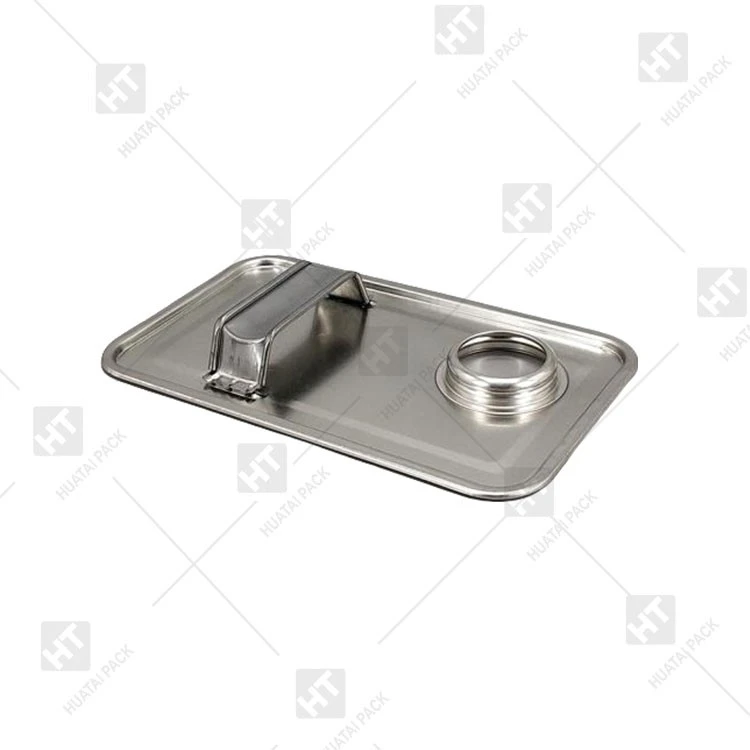

One of the key indicators of manufacturing precision is the consistency of the lids. All the lids in a batch should have the same dimensions, weight, and appearance. You can measure a sample of lids using calipers or other measuring tools to check for any significant variations.
The edges of the lid should be well - finished. Rough or uneven edges can not only affect the aesthetics but also pose a safety hazard. A good - quality lid will have smooth, rounded edges that are free from burrs.
Moreover, the manufacturing process should ensure proper alignment of the different parts of the lid. For example, if there are multiple layers or components in the lid, they should be accurately assembled to ensure its functionality.
Performance Testing
To truly determine the quality of a bottom ring lid, performance testing is essential. There are several types of tests that can be conducted to evaluate the lid's performance under different conditions.
Leakage testing is one of the most common tests. This involves filling the container with a liquid and then closing it with the lid. The container is then placed in different positions and observed for any signs of leakage. A high - quality lid should prevent any leakage, even under pressure or when the container is tilted.
Another important test is the strength test. The lid should be able to withstand a certain amount of force without deforming or breaking. This is particularly important for containers that may be subjected to rough handling during transportation or storage. You can apply a controlled amount of pressure to the lid using a testing machine to check its strength.
In addition, if the lid is intended for use in a specific environment, such as a high - temperature or high - humidity environment, it should be tested under those conditions. For example, a lid for a metal container used in a food processing plant may need to withstand high - temperature sterilization processes without losing its integrity.
Compatibility with the Container
A good - quality bottom ring lid must be compatible with the container it is used with. This includes not only the physical fit but also the chemical compatibility.
Physically, the lid should fit onto the container without any excessive force or looseness. It should be easy to open and close, but at the same time, provide a secure closure. If the lid is too tight, it may be difficult for the end - user to open, and if it is too loose, it will not provide an effective seal.
Chemically, the lid material should not react with the contents of the container. For example, if the container holds acidic or alkaline substances, the lid material should be resistant to corrosion from those chemicals. Otherwise, the lid may deteriorate over time, leading to leakage or contamination of the product.
Supplier Reputation
As a bottom ring lid supplier, I know that our reputation is built on the quality of our products and services. When choosing a bottom ring lid, it is important to consider the reputation of the supplier.
A reliable supplier will have a history of providing high - quality products. You can check online reviews, testimonials from other customers, or industry ratings to get an idea of the supplier's reputation. A supplier with a good reputation is more likely to adhere to strict quality control standards and provide excellent customer service.
Moreover, a professional supplier will be able to provide detailed product information, including material specifications, manufacturing processes, and test results. They should also be willing to answer any questions you may have and provide samples for your evaluation.
Cost - Quality Balance
While quality is of utmost importance, cost is also a significant factor in the purchasing decision. It is essential to find a balance between the quality of the bottom ring lid and its cost.
A very cheap lid may not necessarily be of good quality. It may be made from inferior materials or manufactured using low - cost, less - precise methods, which can lead to problems in the long run. On the other hand, the most expensive lid is not always the best choice either.
As a supplier, we strive to offer high - quality bottom ring lids at a competitive price. We understand that our customers need to manage their costs while still getting reliable products. By choosing a supplier who can offer a good cost - quality balance, you can ensure that you are getting the best value for your money.
Conclusion
In conclusion, determining the quality of a bottom ring lid involves considering multiple factors, including material quality, design and engineering, manufacturing precision, performance testing, compatibility with the container, supplier reputation, and cost - quality balance.
As a bottom ring lid supplier, we are committed to providing our customers with the highest - quality lids that meet all these criteria. We use the latest manufacturing technologies and strict quality control measures to ensure that each lid we produce is of superior quality.
If you are in the market for bottom ring lids, whether it is for Round Tin Can Componens or Accessories For Metal Packing, we invite you to contact us for a detailed discussion. We can provide you with samples, technical specifications, and pricing information. Our team of experts is ready to assist you in finding the perfect bottom ring lid for your specific needs. Let's work together to ensure the success of your packaging solutions.
References
- Packaging Technology Handbook, various authors
- Industry standards for metal packaging components
- Research papers on material science and packaging design