

How to seal a 1l 4l square tin can properly?
Jun 23, 2025
Hey there! I'm a supplier of 1L and 4L square tin cans. Today, I'm gonna share with you how to seal these tin cans properly. Whether you're using them for storing food, engine oil, or other products, a good seal is crucial to keep the contents fresh and safe.
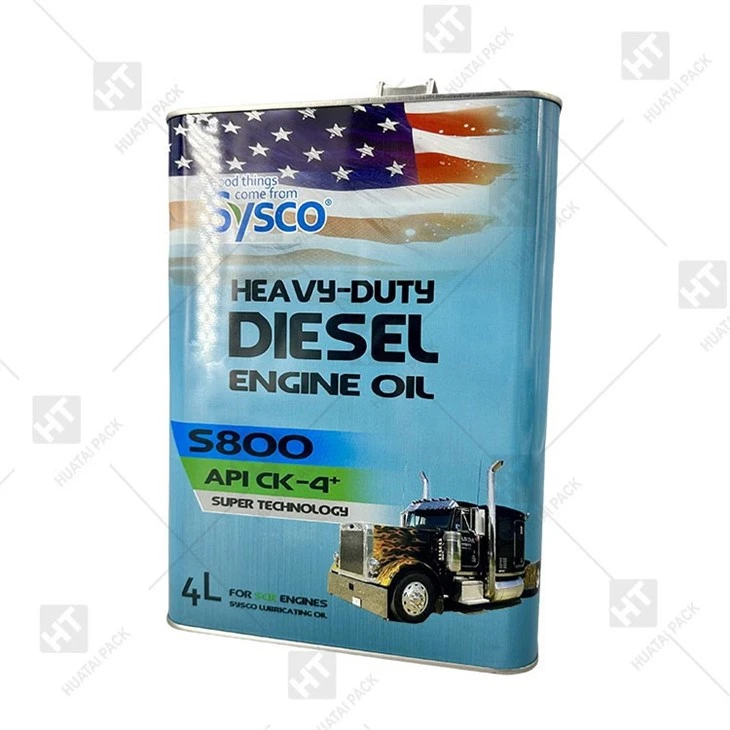
First off, let's talk about why proper sealing matters. When you seal a tin can correctly, you're creating a barrier that keeps out air, moisture, and contaminants. This helps to preserve the quality of the contents inside. For example, if you're storing food in a 1L square tin can, a tight seal will prevent spoilage and extend the shelf life. Similarly, for a 4L Engine Oil Tin Can, a proper seal ensures that the oil doesn't leak or get contaminated, which is super important for the performance of your engine.
Now, let's get into the nitty - gritty of the sealing process.
Pre - sealing Checks
Before you even start sealing, there are a few things you need to check. First, examine the tin can itself. Look for any dents, scratches, or damage on the can body and the lid. Even a small imperfection can compromise the seal. If you find any issues, it's best to replace the can or the lid. Also, make sure the can is clean and dry. Any residue or moisture inside the can can lead to corrosion or spoilage of the contents.
Choosing the Right Sealing Method
There are a few different ways to seal 1L and 4L square tin cans, and the method you choose depends on your specific needs.
Manual Sealing
If you're dealing with a small number of cans, manual sealing can be a good option. You'll need a hand - operated can sealer. These are relatively inexpensive and easy to use. To seal the can manually, place the lid on the can body, making sure it's centered. Then, use the sealer to roll the edges of the lid and the can together. This creates a tight seal. However, manual sealing can be time - consuming, and the quality of the seal may vary depending on your skill level.
Automatic Sealing
For larger production volumes, automatic can sealers are the way to go. These machines can seal cans quickly and consistently. They use a series of rollers and mechanisms to create a perfect seal every time. There are different types of automatic can sealers available, such as semi - automatic and fully automatic models. Semi - automatic sealers still require some manual input, like placing the can and the lid in the machine. Fully automatic sealers, on the other hand, can handle the entire sealing process from start to finish, including feeding the cans and lids into the machine.
Using Sealing Compounds
In some cases, you may want to use a sealing compound to enhance the seal. Sealing compounds are materials that are applied between the lid and the can body to create an additional barrier against air and moisture. There are different types of sealing compounds available, such as rubber - based and plastic - based compounds.
To apply the sealing compound, first, clean the contact area of the lid and the can body. Then, use a brush or a dispenser to apply a thin, even layer of the compound on the edge of the lid. Place the lid on the can and seal it using your chosen method. The sealing compound will fill in any small gaps and provide an extra level of protection.
Quality Control
Once you've sealed the cans, it's important to perform quality control checks. One simple way to check the seal is to visually inspect the can. Look for any signs of leakage or improper sealing, such as gaps between the lid and the can body. You can also perform a pressure test. Submerge the sealed can in water and look for any bubbles. If you see bubbles, it means there's a leak in the seal, and you'll need to re - seal the can.

Storage and Handling After Sealing
After sealing the cans, proper storage and handling are also important. Store the cans in a cool, dry place away from direct sunlight and heat. Extreme temperatures can affect the quality of the seal and the contents inside the can. When handling the cans, be careful not to drop or mishandle them. Rough handling can damage the seal and cause leaks.
Our Products
As a supplier of 1L and 4L square tin cans, we offer a wide range of high - quality products. Our F - Style Tin Can and F - Type Metal Can are designed to provide excellent sealing performance. They are made from high - grade metal materials that are resistant to corrosion and damage. We also offer custom - printing services, so you can add your logo or product information to the cans.
If you're in the market for 1L or 4L square tin cans, or if you have any questions about sealing these cans, don't hesitate to reach out. We're here to help you find the best solutions for your packaging needs. Whether you're a small business or a large corporation, we can provide you with the right products and support.
Conclusion
Properly sealing 1L and 4L square tin cans is essential for preserving the quality of the contents and ensuring the safety of your products. By following the steps outlined in this blog post, you can achieve a tight and reliable seal. Remember to perform pre - sealing checks, choose the right sealing method, use sealing compounds if necessary, and conduct quality control checks. And if you're looking for high - quality tin cans, we're your go - to supplier. Contact us today to start the conversation about your packaging requirements.
References
- "Can Sealing Technology Handbook"
- Industry reports on tin can manufacturing and sealing