

Can a 1l 4l square tin can be used for storing salt?
Jun 24, 2025
As a supplier of 1L and 4L square tin cans, I often get asked about the various uses of our products. One question that has come up recently is whether a 1L or 4L square tin can can be used for storing salt. In this blog post, I'll explore this question in detail, looking at the properties of tin cans, the characteristics of salt, and the practical considerations of using tin cans for salt storage.
Properties of Tin Cans
Tin cans are a popular choice for packaging due to their durability, affordability, and ability to protect contents from external factors. Our 1L and 4L square tin cans are made from high - quality tin - plated steel. This material provides several advantages.
Firstly, tin - plated steel offers good corrosion resistance. The thin layer of tin on the surface of the steel acts as a protective barrier, preventing the steel from coming into direct contact with the environment and reducing the risk of rusting. Secondly, tin cans are relatively strong and can withstand a certain amount of pressure and impact, which means they can safely hold a variety of substances without easily getting damaged.
The square shape of our cans also has its benefits. It allows for more efficient storage and stacking, making it easier to organize and transport large quantities of the cans. Moreover, the square design provides a larger surface area for labeling, which is useful for branding and product information.
Characteristics of Salt
Salt, typically sodium chloride (NaCl), is a common household and industrial substance. It has several important characteristics that need to be considered when thinking about storage.
One of the key properties of salt is its hygroscopic nature. This means that salt has a tendency to absorb moisture from the surrounding air. When salt absorbs moisture, it can clump together, forming large chunks that are difficult to use. Additionally, if the moisture contains impurities or other substances, it can contaminate the salt.
Another aspect is that salt can be corrosive, especially in the presence of moisture. When salt comes into contact with metal, the moisture can act as an electrolyte, facilitating a chemical reaction that can cause the metal to corrode. This is a crucial factor to keep in mind when considering using tin cans for salt storage.
Using 1L and 4L Square Tin Cans for Salt Storage
Advantages
- Protection from Physical Damage: Our square tin cans are robust enough to protect the salt from physical damage. They can prevent the salt from being crushed or spilled during handling and storage. For example, if you are storing salt in a warehouse or during transportation, the tin cans will keep the salt intact.
- Efficient Storage: As mentioned earlier, the square shape of the cans allows for efficient stacking. This is beneficial for both home and industrial use. In a home pantry, you can neatly stack the cans, saving space. In an industrial setting, it enables large - scale storage and easy inventory management.
- Labeling and Branding: The large surface area of the square cans provides an excellent opportunity for labeling. You can clearly mark the type of salt, its origin, and any other relevant information. For businesses, this is a great way to promote their brand and differentiate their products.
Disadvantages
- Corrosion Risk: As salt is corrosive, especially when in contact with moisture, there is a risk of the tin - plated steel cans corroding over time. If the tin coating on the can is damaged or if the environment is particularly humid, the salt can react with the steel, leading to rusting. Once the can starts to rust, it can contaminate the salt and reduce its quality.
- Moisture Absorption: The hygroscopic nature of salt means that it will absorb moisture from the air inside the can. If the can is not properly sealed, the salt may clump together. Even if the can is sealed, over a long period, some moisture may still penetrate the can, causing problems.
Mitigating the Risks
To use our 1L and 4L square tin cans for salt storage successfully, several measures can be taken to mitigate the risks associated with salt's properties.
- Proper Sealing: Ensure that the cans are tightly sealed. This can prevent moisture from entering the can and reduce the risk of salt clumping. We offer cans with air - tight lids that can effectively keep the air and moisture out.
- Coating Enhancement: We can apply an additional protective coating inside the cans. This coating can act as an extra barrier between the salt and the tin - plated steel, reducing the risk of corrosion.
- Storage Conditions: Store the cans in a dry environment. Avoid areas with high humidity, such as basements or near water sources. If possible, use a dehumidifier in the storage area to keep the air dry.
Conclusion
In conclusion, a 1L or 4L square tin can can be used for storing salt, but it comes with both advantages and disadvantages. The durability and efficient design of the cans make them suitable for protecting and storing salt, but the risks of corrosion and moisture absorption need to be carefully managed.
If you take the necessary precautions, such as proper sealing, using enhanced coatings, and storing the cans in a dry environment, our tin cans can be a great option for salt storage. Whether you are a household looking for a reliable way to store your salt or a business in need of large - scale salt packaging, our 1L and 4L square tin cans can meet your requirements.
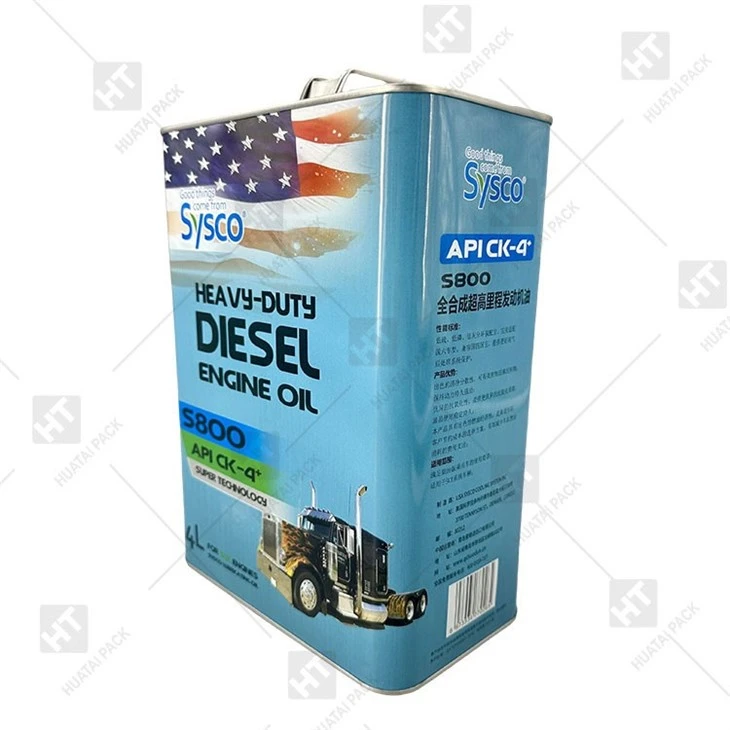
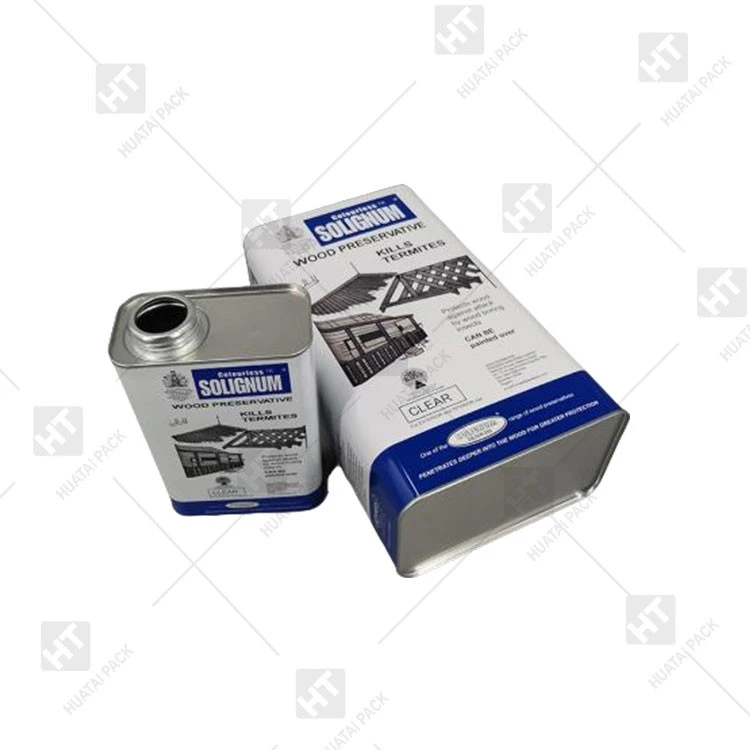
If you are interested in our 4L Engine Oil Tin Can, Engine Oil Can or 4L Square Can for salt storage or other purposes, we encourage you to contact us for a procurement discussion. We are committed to providing high - quality products and excellent service to meet your needs.
References
- "Materials Science and Engineering: An Introduction" by William D. Callister Jr. and David G. Rethwisch.
- "Food Packaging: Principles and Practice" by Tara H. McHugh and Elizabeth A. Baldwin.