

How to reinforce a closed metal pail?
Jul 08, 2025
As a supplier of closed metal pails, I understand the importance of ensuring these containers are strong and reliable. Closed metal pails are used in a wide range of industries for storing and transporting various substances, from chemicals to food products. Reinforcing these pails is crucial to prevent damage during handling, storage, and transportation, which can lead to leaks, spills, and potential hazards. In this blog post, I will share some effective ways to reinforce a closed metal pail.
1. Choose High - Quality Materials
The first step in reinforcing a closed metal pail is to start with high - quality materials. The quality of the metal used in the pail directly impacts its strength and durability. We offer Closed Metal Pail made from thick - gauge steel. Thicker steel provides better resistance to dents, punctures, and impacts. Additionally, the steel should be properly treated to prevent rust and corrosion. Galvanized steel is an excellent choice as it has a protective zinc coating that extends the lifespan of the pail.
2. Use Reinforcing Bands
Reinforcing bands are an effective way to add strength to the sides of a closed metal pail. These bands are typically made of metal and are wrapped around the circumference of the pail at regular intervals. They help distribute the stress evenly across the pail's surface, reducing the risk of the pail buckling or deforming under pressure.
There are different types of reinforcing bands available. Some bands are simple metal hoops, while others have additional features such as notches or ridges for better grip. When installing reinforcing bands, it is important to ensure they are tightened properly. Loose bands will not provide the desired reinforcement. We can offer closed metal pails with pre - installed reinforcing bands or provide the bands separately for customers to install themselves.
3. Strengthen the Seams
The seams of a closed metal pail are often the weakest points. Reinforcing these seams can significantly enhance the overall strength of the pail. One way to strengthen the seams is by using a double - seaming technique during the manufacturing process. Double seaming involves folding and interlocking the edges of the metal sheets that form the pail, creating a stronger and more secure joint.
In addition to double seaming, applying a sealant or adhesive to the seams can further reinforce them. This helps prevent leaks and also adds extra strength to the joint. The sealant should be compatible with the contents of the pail and should be able to withstand the environmental conditions in which the pail will be used.
4. Reinforce the Lid
The lid of a closed metal pail is another area that requires reinforcement. A weak lid can lead to spills and contamination of the contents. One way to reinforce the lid is by using a thicker gauge of metal. A thicker lid is less likely to bend or deform under pressure.
Another option is to add a locking mechanism to the lid. This can prevent the lid from accidentally opening during handling and transportation. There are various types of locking mechanisms available, such as snap - on lids, screw - on lids, and clamp - on lids. Each type has its own advantages, and the choice depends on the specific requirements of the application. For example, Metal Drum For Engine Oil often requires a tight - fitting lid with a reliable locking mechanism to prevent leakage.
5. Consider Inner Liners
Adding an inner liner to a closed metal pail can provide an extra layer of protection. Inner liners can be made of materials such as plastic or rubber. They help protect the contents of the pail from corrosion caused by the metal and also provide a barrier against leaks.
Plastic liners are commonly used as they are lightweight, flexible, and resistant to many chemicals. Rubber liners are more suitable for applications where a high degree of flexibility and durability is required. When choosing an inner liner, it is important to ensure it is compatible with the contents of the pail and the manufacturing process of the pail.
6. Test and Inspect Regularly
Even after reinforcing a closed metal pail, it is essential to conduct regular tests and inspections. This helps ensure that the reinforcement methods are effective and that the pail remains in good condition.
Pressure testing can be used to check the integrity of the pail. By subjecting the pail to a controlled amount of pressure, we can identify any weak points or potential leaks. Visual inspections should also be carried out regularly to check for signs of damage, such as dents, rust, or loose reinforcing components.
7. Provide Adequate Storage and Handling Guidelines
Proper storage and handling of closed metal pails are also important for maintaining their strength. We should provide our customers with clear guidelines on how to store and handle the pails.
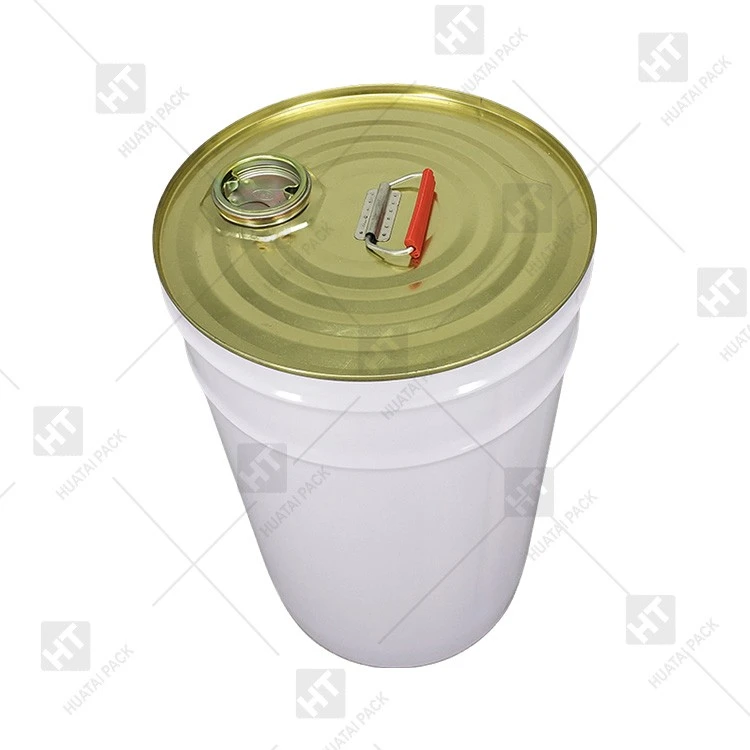
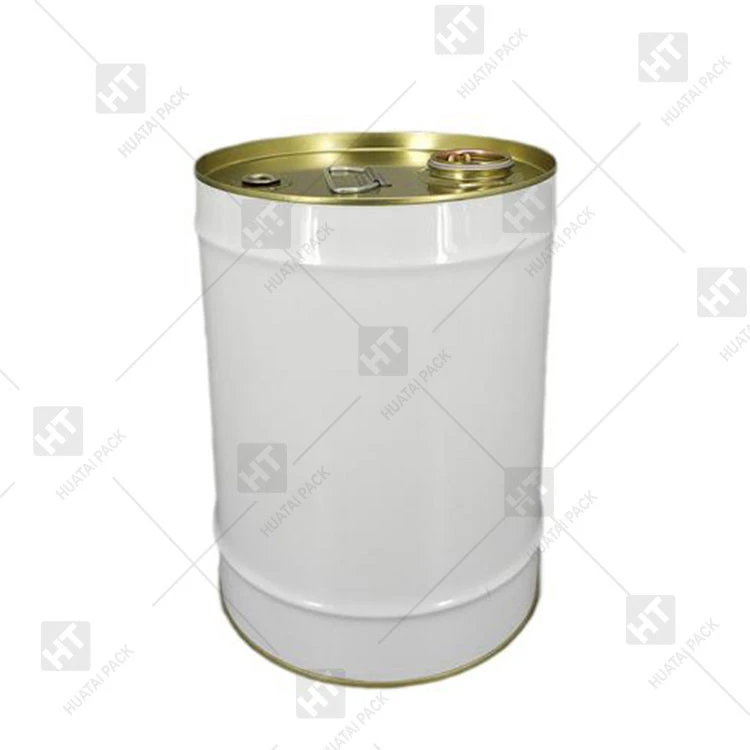
Pails should be stored in a dry, cool place away from direct sunlight and sources of heat. They should be stacked in a stable manner to prevent them from toppling over. During handling, care should be taken to avoid rough treatment, such as dropping or hitting the pails.
Conclusion
Reinforcing a closed metal pail is a multi - step process that involves choosing the right materials, using appropriate reinforcement techniques, and conducting regular maintenance. As a supplier of 5gallon Metal Pail and other closed metal pails, we are committed to providing high - quality products that meet the needs of our customers.
If you are interested in purchasing reinforced closed metal pails or have any questions about our reinforcement methods, please feel free to contact us. We are more than happy to discuss your specific requirements and provide you with the best solutions for your storage and transportation needs.
References
- "Metal Packaging: Design, Manufacture, and Use" by T. G. Meek.
- "Handbook of Metal Forming" edited by G. E. Dieter.
- Industry standards and guidelines related to closed metal pail manufacturing and reinforcement.