

How long does a 16oz glue can last once opened?
Jul 08, 2025
When it comes to adhesives, one common question that often arises among users is, "How long does a 16oz glue can last once opened?" As a supplier of 16oz glue cans, I've encountered this query numerous times. In this blog, I'll delve into the factors that influence the lifespan of an opened 16oz glue can and provide some practical tips to maximize its usability.
Factors Affecting the Lifespan of Opened 16oz Glue Can
1. Type of Glue
The type of glue is one of the most significant factors determining how long it will last after opening. Different glues have different chemical compositions, which react differently to environmental conditions.
- Water - based Glues: These glues are popular for their low toxicity and easy cleanup. However, they are prone to drying out once exposed to air. Once opened, a 16oz can of water - based glue may last anywhere from a few weeks to a couple of months. The water in the glue evaporates over time, causing the glue to thicken and eventually harden. For example, white school glue, which is a common water - based glue, can start to dry out within a month if not stored properly.
- Solvent - based Glues: Solvent - based glues are known for their strong bonding properties. They contain volatile solvents that evaporate quickly. An opened 16oz can of solvent - based glue may last from a few days to a few weeks. The solvents in these glues are highly volatile, and if the can is not sealed tightly, the glue can become too thick to use within a short period. Contact cement, a type of solvent - based glue, is very sensitive to air exposure and can dry up rapidly.
- Epoxy Glues: Epoxy glues consist of two components that need to be mixed before use. Once mixed, the working time (the time during which the glue can be applied) is usually relatively short, often ranging from a few minutes to an hour. However, an un - mixed 16oz can of epoxy glue can last for a long time, potentially up to a year or more, as long as the containers of the two components are sealed properly.
2. Storage Conditions
Proper storage is crucial for extending the lifespan of an opened 16oz glue can.
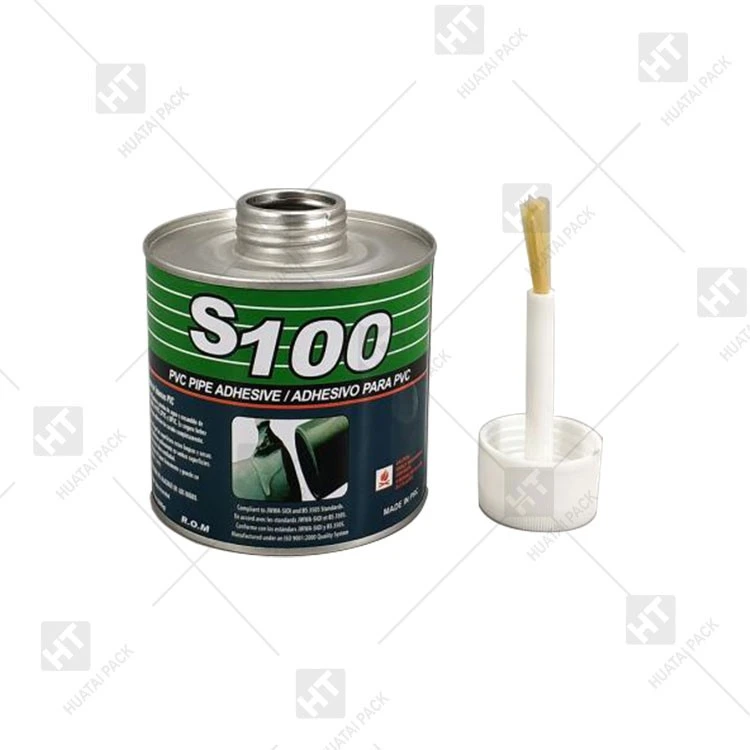

- Temperature: Temperature can have a significant impact on the stability of glue. Extreme temperatures can accelerate the chemical reactions in the glue, causing it to degrade faster. Glue should be stored at a moderate temperature, ideally between 50°F and 80°F (10°C - 27°C). If the glue is stored in a hot environment, such as a shed during summer, the chemical reactions in the glue can speed up, leading to a shorter lifespan. On the other hand, if the glue is stored in a cold environment, it can become too thick or even freeze, which can also damage the glue.
- Humidity: High humidity can affect water - based glues by preventing the water from evaporating properly, leading to mold growth or changes in the glue's consistency. Low humidity, on the other hand, can cause water - based glues to dry out faster. For solvent - based and epoxy glues, humidity has less of an impact, but it's still important to store them in a dry place.
- Sealing: A tightly sealed can is essential for preserving the glue. If the lid of the 16oz glue can is not sealed properly, air can enter the can, causing the glue to dry out or react with oxygen. Some glue cans come with a good - quality seal, but over time, the seal may become less effective. It's a good idea to check the seal regularly and replace it if necessary. You can also use a layer of plastic wrap over the opening of the can before closing the lid to create an extra barrier against air.
3. Frequency of Use
How often you use the glue also affects its lifespan. If you use the glue frequently, the can is opened and closed more often, increasing the exposure to air. This can lead to a shorter lifespan for the glue. On the other hand, if you use the glue sparingly, the can is opened less often, reducing the air exposure and potentially extending the glue's usable life.
Tips to Maximize the Lifespan of an Opened 16oz Glue Can
- Store Properly: As mentioned earlier, store the glue can in a cool, dry place at a moderate temperature. Avoid storing it near heat sources or in direct sunlight. If possible, keep the glue in a cabinet or a storage container to protect it from temperature fluctuations and humidity.
- Seal Tightly: After each use, make sure to seal the can tightly. Wipe off any excess glue from the rim of the can before closing the lid to ensure a good seal. You can also use a rubber mallet to gently tap the lid to make sure it is properly seated.
- Use a Smaller Container: If you don't use the glue very often, consider transferring some of the glue into a smaller container. This reduces the amount of air space in the container, which in turn reduces the exposure of the glue to air. You can use a smaller plastic container with a tight - fitting lid for this purpose.
- Check Regularly: Periodically check the glue for any signs of degradation, such as changes in consistency, color, or odor. If you notice any of these signs, it may be time to replace the glue.
Our Product Offerings
At our company, we offer a wide range of 16oz glue cans to meet different needs. We also have other sizes available, such as the Flat Top Adhesive Tin Can With Lid, the 32oz Pvc Can With Cap, and the 32oz Glue Can. Our glue cans are designed with high - quality materials to ensure proper sealing and protection of the glue. We take pride in providing our customers with reliable and long - lasting glue products.
Conclusion
In conclusion, the lifespan of an opened 16oz glue can varies depending on the type of glue, storage conditions, and frequency of use. Water - based glues can last from a few weeks to a couple of months, solvent - based glues from a few days to a few weeks, and epoxy glues (un - mixed) can last up to a year or more. By following proper storage and usage practices, you can extend the lifespan of your glue and get the most out of your 16oz can.
If you are interested in our glue products or have any questions about glue storage and usage, please feel free to contact us for procurement and further discussions. We are always ready to assist you in finding the right glue solution for your needs.
References
- "Adhesive Technology Handbook" by John A. Murphy
- "The Chemistry of Adhesives" by C. A. May