

How does the glue in a 32oz can age over time?
Jun 20, 2025
As a supplier of 32oz glue cans, I've had the privilege of witnessing firsthand how the glue inside these containers evolves over time. Glue is a staple in countless industries, from construction to crafts, and understanding its aging process is crucial for both suppliers and end - users. In this blog, I'll delve into the scientific aspects of how the glue in a 32oz can ages and what factors influence this process.
Chemical Composition and Aging
The aging of glue primarily depends on its chemical composition. Most glues are made up of polymers, solvents, and various additives. Polymers are long - chain molecules that give glue its adhesive properties. Over time, these polymers can undergo several changes.
One of the most common chemical reactions is oxidation. When exposed to oxygen in the air, the polymers in the glue can react with it, leading to the formation of new chemical bonds. This can cause the glue to become more viscous or even form a skin on the surface. For example, some epoxy glues are prone to oxidation, especially if the can is not properly sealed. Oxidation can also lead to a change in the color of the glue, often making it darker.
Another important factor is hydrolysis. If the glue contains water - soluble polymers or additives, they can react with water molecules in the air or within the can itself. This reaction can break down the polymer chains, reducing the glue's adhesive strength. For instance, some polyvinyl acetate (PVA) glues are sensitive to hydrolysis. High humidity levels can accelerate this process, causing the glue to lose its effectiveness over time.
Environmental Factors
The environment in which the 32oz glue can is stored plays a significant role in the aging process. Temperature is a key factor. High temperatures can speed up chemical reactions. When the can is exposed to heat, the molecules in the glue move more rapidly, increasing the likelihood of chemical reactions such as oxidation and hydrolysis. On the other hand, extremely low temperatures can cause the glue to become too thick or even freeze. When the glue thaws, its consistency and adhesive properties may be permanently altered.
Humidity is another crucial environmental factor. As mentioned earlier, high humidity can lead to hydrolysis. It can also cause corrosion of the can, especially if it is made of metal. Moisture can seep into the can through small cracks or pores, accelerating the aging of the glue inside. A dry environment, however, can prevent these issues to some extent.
Light exposure can also affect the glue. Ultraviolet (UV) light, in particular, can break down the chemical bonds in the polymers. This is why many glue manufacturers recommend storing their products in a dark place. If the 32oz can is made of a transparent or translucent material, it is even more susceptible to the damaging effects of light.
Physical Changes in the Can
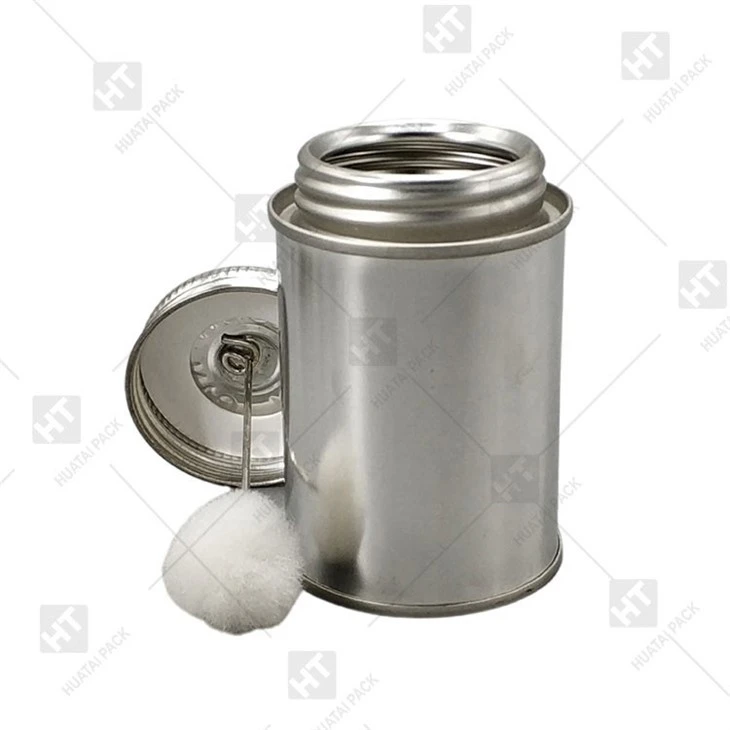
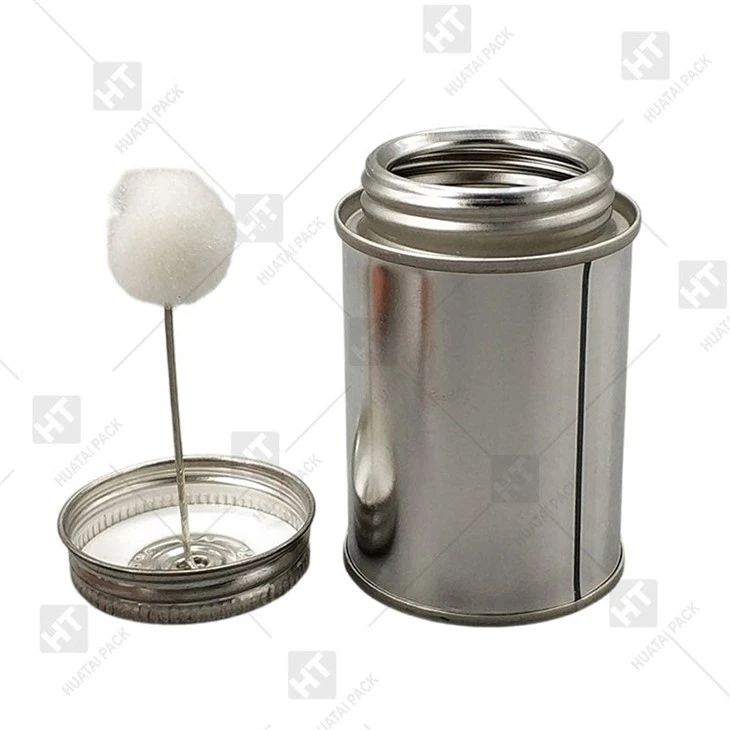
The physical state of the can itself can impact the aging of the glue. If the can is not properly sealed, air and moisture can enter, promoting oxidation and hydrolysis. A damaged can, such as one with a dented or cracked lid, is at a higher risk of allowing contaminants to enter.
The material of the can also matters. Metal cans are prone to corrosion, which can not only affect the can's integrity but also contaminate the glue. Pvc Can offers an alternative as they are more resistant to corrosion and can provide better protection for the glue inside. However, PVC cans may have their own set of challenges, such as potential chemical reactions with certain types of glue over long periods.
Aging in Different Glue Types
Different types of glue age differently. For example, cyanoacrylate glues, also known as super glues, are very sensitive to moisture. They can quickly polymerize when exposed to even small amounts of water in the air. Over time, if the can is not sealed properly, the glue inside can harden and become unusable.
Silicone glues are more resistant to environmental factors. They have good flexibility and weather resistance, which means they can age more gracefully compared to other types of glue. However, they can still be affected by high temperatures and UV light, which can cause them to lose their elasticity.
Epoxy glues, as mentioned earlier, are prone to oxidation. They are also sensitive to temperature changes. If stored at high temperatures for an extended period, the epoxy can cure prematurely, making it impossible to use for its intended purpose.
Impact on Adhesive Performance
As the glue ages, its adhesive performance is bound to change. The most obvious change is a reduction in adhesive strength. This can be a serious issue, especially in applications where a strong bond is required. For example, in construction, a weakened glue can compromise the structural integrity of a building.
The viscosity of the glue can also change. An aged glue may become too thick to spread evenly or too thin to hold the materials together properly. This can make the application process more difficult and less effective.
Detection of Aged Glue
There are several ways to detect if the glue in a 32oz can has aged. Visual inspection is the first step. If the glue has changed color, formed a skin on the surface, or has an unusual texture, it may be a sign of aging.
A simple test can also be conducted. Apply a small amount of the glue to a test surface and see how it adheres. If it does not bond well or if it peels off easily, the glue may have lost its effectiveness.
Preventive Measures
To slow down the aging process of the glue in a 32oz can, proper storage is essential. Store the cans in a cool, dry, and dark place. Make sure the lids are tightly sealed after each use. If possible, use desiccants to absorb any moisture inside the storage area.
For different applications, consider using smaller cans such as 8oz Glue Can or 4oz Glue Can. These smaller quantities are less likely to be affected by aging as they are used up more quickly, reducing the time they are exposed to environmental factors.
Conclusion
Understanding how the glue in a 32oz can ages over time is essential for both suppliers and users. By being aware of the chemical, environmental, and physical factors that influence the aging process, we can take steps to ensure the glue remains effective for as long as possible.
If you're in the market for high - quality glue cans, whether it's a 32oz can or smaller sizes like 8oz or 4oz, we're here to help. Our products are designed to provide optimal protection for the glue inside and to meet your specific needs. Contact us for more information and to discuss your procurement requirements. We look forward to partnering with you to find the best glue can solutions for your projects.
References
- "Handbook of Adhesives and Sealants" by A. Pizzi and K. L. Mittal
- "Adhesion and Adhesives Technology: An Introduction" by C. A. Dostal