

How do I dispose of a damaged paint can?
Aug 07, 2026
Disposing of a damaged paint can is a concern that many of us, especially those in the paint can supply business, encounter. As a paint can supplier, I've witnessed firsthand how important it is to handle damaged paint cans properly, not only for environmental reasons but also for safety and regulatory compliance. In this blog, I'll share some insights on how to dispose of a damaged paint can effectively.
Understanding the Risks of a Damaged Paint Can
Before we dive into the disposal methods, it's crucial to understand the risks associated with a damaged paint can. Paint contains various chemicals, some of which can be hazardous to human health and the environment. A damaged can may leak paint, releasing these chemicals into the air, soil, or water. This can contaminate the surrounding area and pose a risk to wildlife, plants, and even people.
In addition, some paint products are flammable. A damaged can with a leaky seal or a punctured surface can increase the risk of fire or explosion, especially if the paint is exposed to heat, sparks, or an open flame. Therefore, it's essential to take immediate action when you discover a damaged paint can.
Assessing the Damage
The first step in disposing of a damaged paint can is to assess the extent of the damage. Is the can slightly dented, or is it severely punctured and leaking? If the can is only slightly dented and there are no signs of leakage, you may be able to salvage the paint and reuse the can after proper repair. However, if the can is severely damaged and leaking, it's best to dispose of it safely.
To assess the damage, wear appropriate personal protective equipment (PPE), such as gloves and goggles. Inspect the can carefully for any signs of leakage, such as wet spots or a strong odor of paint. Check the lid and the seams of the can to ensure they are intact. If you notice any signs of damage or leakage, proceed to the next step.
Containing the Leak
If the paint can is leaking, it's important to contain the spill as quickly as possible to prevent further contamination. Place the damaged can in a larger, sturdy container, such as a plastic bucket or a metal drum. Make sure the container is large enough to hold the entire can and any spilled paint. Line the container with a plastic bag or a absorbent material to soak up the paint.
If the spill is small, you can use a paper towel or a sponge to soak up the paint. Dispose of the soiled paper towel or sponge in a sealed plastic bag. If the spill is large, you may need to use a commercial spill kit or absorbent pads to clean up the mess. Follow the instructions on the product label carefully to ensure safe and effective cleanup.

Disposing of the Damaged Paint Can
Once you have contained the leak, it's time to dispose of the damaged paint can. The method of disposal depends on several factors, such as the type of paint, the amount of paint remaining in the can, and the local regulations. Here are some common disposal methods:
Recycling
If the paint can is made of metal, it can usually be recycled. However, before recycling the can, you need to make sure it is empty and clean. To empty the can, pour the remaining paint into a suitable container, such as a paint tray or a bucket. Use a paint scraper or a putty knife to remove any remaining paint from the inside of the can.
Once the can is empty, rinse it thoroughly with water to remove any residual paint. You can also use a mild detergent to clean the can. Make sure the can is completely dry before recycling it. Check with your local recycling center to see if they accept empty paint cans. Some recycling centers may require you to remove the lid and labels from the can before recycling.
Hazardous Waste Disposal
If the paint is considered hazardous waste, such as oil-based paint or paint containing lead, it cannot be recycled or disposed of in the regular trash. Hazardous waste requires special handling and disposal to prevent environmental contamination and human health risks.
Contact your local hazardous waste disposal facility to find out how to dispose of the damaged paint can safely. They will provide you with instructions on how to prepare the can for disposal, such as how to label it and what type of container to use. You may need to pay a fee for hazardous waste disposal.
Donation or Reuse
If the paint in the damaged can is still usable, you may consider donating it to a local community center, school, or charity. Many organizations accept donations of paint for use in art projects, home repairs, or community improvement initiatives. Make sure the paint is in good condition and has not expired before donating it.
Alternatively, you can reuse the paint for your own projects. If the can is only slightly damaged, you may be able to repair it and use the paint as usual. However, if the paint has been contaminated or exposed to air for a long time, it may not be suitable for use.
Preventing Damage to Paint Cans
As a paint can supplier, I understand the importance of preventing damage to paint cans in the first place. Here are some tips to help you prevent damage to paint cans during storage and transportation:
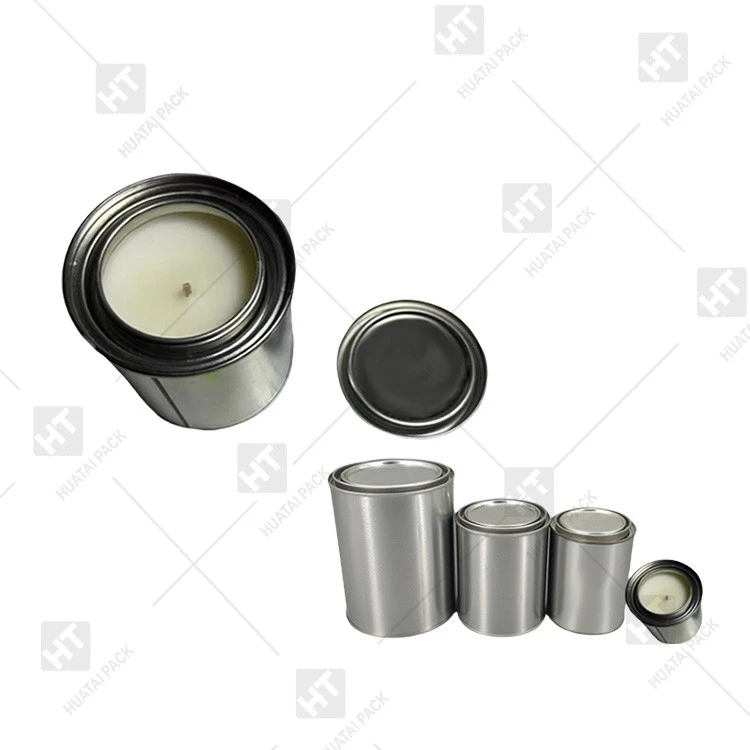
- Choose the Right Container: Select paint cans that are made of high-quality materials and are designed to withstand the rigors of storage and transportation. Consider using Small Mini Paint Can or 4oz Candle Tins for smaller quantities of paint.
- Store Paint Cans Properly: Store paint cans in a cool, dry place away from direct sunlight and heat sources. Make sure the cans are stored upright and are not stacked on top of each other. This will prevent the cans from getting dented or damaged.
- Use Proper Handling Techniques: When handling paint cans, use caution and avoid dropping or banging them. Use a dolly or a hand truck to move heavy cans, and make sure the cans are secured properly to prevent them from falling.
- Inspect Paint Cans Regularly: Regularly inspect paint cans for signs of damage, such as dents, leaks, or rust. If you notice any damage, take immediate action to prevent further contamination or safety risks.
Conclusion
Disposing of a damaged paint can is a serious matter that requires careful consideration and proper handling. As a paint can supplier, I encourage you to follow the guidelines outlined in this blog to ensure the safe and responsible disposal of damaged paint cans. By taking the necessary precautions, you can protect the environment, prevent health risks, and comply with local regulations.
If you have any questions or need further information on paint can disposal, please don't hesitate to [contact us](insert contact link here). We're here to help you with all your paint can needs, including Empty Metal Paint Cans. Whether you're a professional painter, a DIY enthusiast, or a business owner, we have the right paint cans for your project.