

Are there any special regulations for transporting engine oil cans on a truck?
Aug 07, 2026
As an engine oil can supplier, I often receive inquiries from clients about the transportation of engine oil cans on trucks. The question of whether there are special regulations for this process is crucial, not only for ensuring the safety of the cargo but also for compliance with legal requirements. In this blog, I will delve into the details of transporting engine oil cans on trucks, exploring the regulations and best practices.
Understanding the Nature of Engine Oil Cans
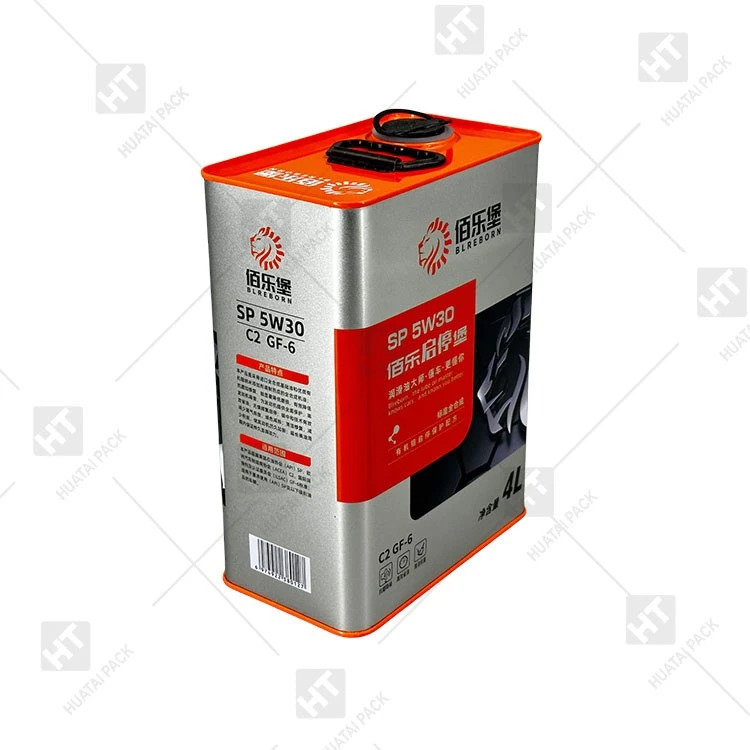
Engine oil cans come in various shapes and sizes, such as the F-Style Engine Oil Tin Can, 4L F-style Tin Can, and Rectangular Tin Cans. These cans are typically made of metal, which provides a certain level of durability. However, they are filled with engine oil, which is a flammable liquid. This characteristic makes the transportation of engine oil cans a matter of great concern.
General Regulations for Transporting Flammable Liquids
Engine oil is classified as a flammable liquid, and the transportation of such substances is subject to strict regulations. These regulations are in place to prevent accidents, protect the environment, and ensure the safety of the public.
Packaging Requirements
The engine oil cans must be properly packaged to prevent leakage during transportation. They should be made of materials that can withstand the pressure and vibrations of the journey. For example, the cans should have a tight - fitting lid to prevent any spillage. In addition, they may need to be placed in secondary containment if required by the regulations. Secondary containment can be in the form of a pallet or a crate that can hold the cans and prevent any spilled oil from spreading.
Labeling
Each engine oil can must be clearly labeled with information about the contents, including the type of oil, its flammable nature, and any safety precautions. The labels should be in a language that is easily understandable by the transportation personnel. This helps in identifying the cargo correctly and taking appropriate safety measures.
Documentation
When transporting engine oil cans, proper documentation is essential. This includes a bill of lading that details the quantity, type, and destination of the cargo. There may also be additional safety data sheets (SDS) that provide information about the engine oil, such as its chemical composition, fire - fighting measures, and first - aid procedures.

Truck - Specific Regulations
In addition to the general regulations for transporting flammable liquids, there are also truck - specific regulations for carrying engine oil cans.
Vehicle Requirements
The truck used for transporting engine oil cans must meet certain safety standards. It should be equipped with proper fire - fighting equipment, such as fire extinguishers, to deal with any potential fires. The truck should also have a secure storage area for the cans, which can prevent them from shifting during transit. This may involve using straps or other restraints to keep the cans in place.
Driver Qualifications
The driver of the truck must be qualified to transport hazardous materials. This usually requires the driver to have a commercial driver's license (CDL) with a hazardous materials endorsement. The driver should also be trained in handling flammable liquids, including how to respond to spills and fires.
Route Planning
When transporting engine oil cans, careful route planning is necessary. The driver should avoid areas with high population density, schools, hospitals, and other sensitive locations. Some routes may also have restrictions on the transportation of hazardous materials, so it is important to check the local regulations before starting the journey.
International Regulations
If the engine oil cans are being transported across international borders, there are additional regulations to consider.
Customs Requirements
Customs authorities in different countries have their own requirements for the import and export of engine oil cans. This may include providing detailed information about the cargo, such as its origin, quantity, and value. There may also be duties and taxes to be paid, depending on the country's trade policies.
International Agreements
There are international agreements, such as the International Maritime Dangerous Goods (IMDG) Code and the European Agreement concerning the International Carriage of Dangerous Goods by Road (ADR), that govern the transportation of hazardous materials across borders. These agreements set out common standards and procedures to ensure the safe transportation of engine oil cans and other hazardous substances.
Best Practices for Transporting Engine Oil Cans
In addition to complying with the regulations, there are some best practices that can further enhance the safety of transporting engine oil cans on trucks.
Pre - Trip Inspections
Before starting the journey, a thorough pre - trip inspection of the truck and the cargo should be conducted. This includes checking the condition of the cans, the packaging, and the truck's safety equipment. Any issues should be addressed before the truck departs.
Regular Monitoring
During the journey, the driver should regularly monitor the cargo to ensure that there are no signs of leakage or damage. If any problems are detected, the driver should take immediate action, such as stopping the truck and securing the cargo.
Emergency Response Plan
It is important to have an emergency response plan in place in case of an accident or spill. This plan should include procedures for dealing with fires, spills, and other emergencies. All personnel involved in the transportation should be familiar with the plan.
Conclusion
Transporting engine oil cans on trucks is subject to a variety of regulations, both general and truck - specific. As an engine oil can supplier, it is my responsibility to ensure that our products are transported safely and in compliance with the law. By understanding the regulations, following best practices, and working with qualified transportation partners, we can minimize the risks associated with transporting engine oil cans.
If you are interested in purchasing engine oil cans for your business, I encourage you to contact us for a detailed discussion. We can provide you with high - quality products and help you understand the transportation requirements. Our team is ready to assist you in finding the best solutions for your needs.