

Does an 8oz glue can work on non - stick surfaces?
Oct 20, 2025
Hey there! As a supplier of 8oz glue cans, I often get asked if our 8oz glue can work on non - stick surfaces. It's a pretty common question, and today, I'm gonna break it down for you.
First off, let's talk about what non - stick surfaces are. You know those frying pans that you can cook an egg in without it sticking? That's a classic example of a non - stick surface. These surfaces are usually coated with materials like Teflon (polytetrafluoroethylene or PTFE). The reason they're non - stick is that these coatings have a very low surface energy, which means that other substances, like glue, find it really hard to stick to them.
Now, let's get to our 8oz glue can. Our glue is formulated to have strong adhesive properties. It's made with a blend of polymers and resins that are designed to bond well with a variety of materials. But when it comes to non - stick surfaces, it's a bit of a challenge.
The main issue is the chemical nature of non - stick coatings. The molecules in these coatings are arranged in a way that they don't interact well with the adhesive molecules in our glue. For example, the PTFE in non - stick pans has a very smooth and non - reactive surface. The glue molecules can't form the necessary chemical bonds or physical interlocks with the surface, so the glue just kind of sits there instead of sticking.
However, it's not all bad news. There are some situations where our 8oz glue can still have a shot at working on non - stick surfaces. One way is to prepare the non - stick surface properly. You can try lightly sanding the surface. This creates tiny scratches on the non - stick coating, which gives the glue something to grip onto. It's like creating little anchor points for the adhesive. But be careful not to sand too hard and damage the non - stick coating completely.
Another method is to use a primer. A primer is a special substance that you apply to the non - stick surface before using the glue. The primer helps to improve the adhesion by creating a more receptive layer for the glue. There are primers available on the market that are specifically designed for use with non - stick surfaces.
If you're still not sure whether our 8oz glue can work for your non - stick surface project, you can always do a small test. Take a small area of the non - stick surface and apply a little bit of glue. Let it dry according to the instructions on the can. Then, try to see if it holds up. If it does, great! You can go ahead with the full application. If not, you might need to consider other options.
Now, let's talk about the different sizes of glue cans we offer. Besides the 8oz glue can, we also have 4oz Glue Can and 16oz Glue Can. The 4oz can is perfect for small - scale projects. Maybe you just need to do a quick fix on a small non - stick item around the house. It's easy to handle and won't take up too much space.
On the other hand, if you have a larger project, like gluing multiple non - stick items together or doing a big repair job, the 16oz Glue Can is a better choice. It gives you more glue to work with, so you don't have to keep refilling.
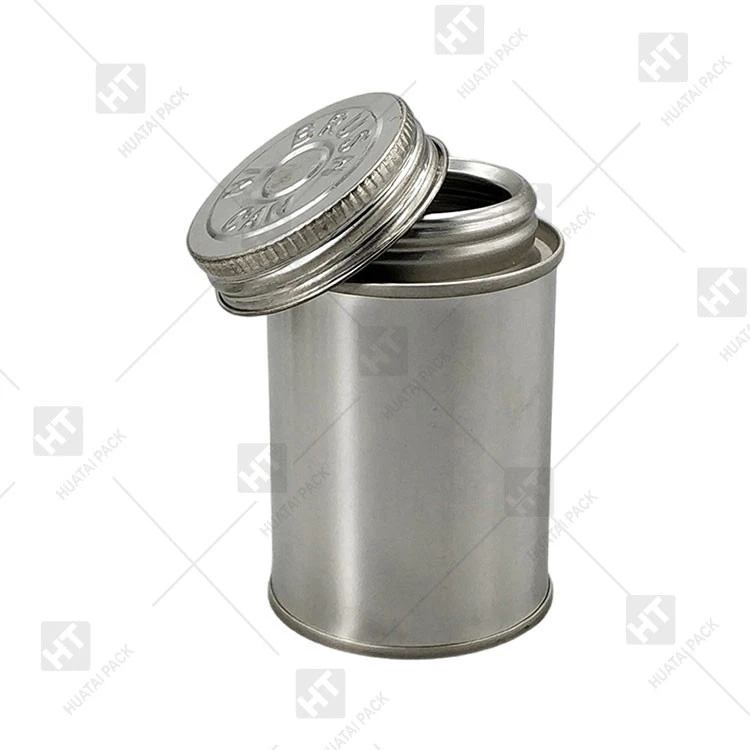
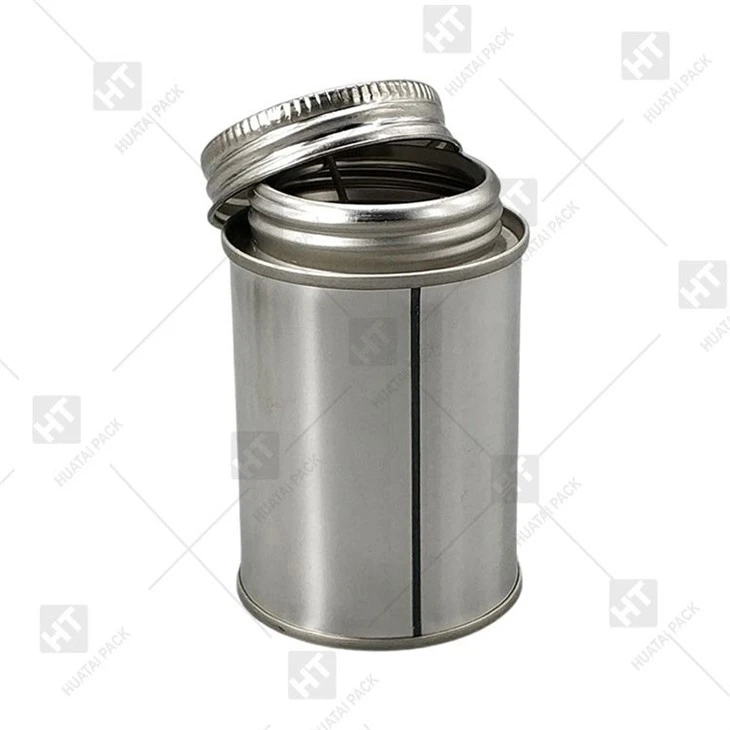
Our 8oz Pvc Can With Cap is a great middle - ground option. It's not too big and not too small, making it suitable for a wide range of projects. The cap helps to keep the glue fresh when you're not using it, so you don't have to worry about it drying out.
In conclusion, while our 8oz glue can face some challenges when it comes to non - stick surfaces, with the right preparation and techniques, it can still be used effectively. Whether you're a DIY enthusiast or a professional in need of a reliable adhesive, we've got the right glue can size for you.
If you're interested in purchasing our glue cans or have any questions about using our glue on non - stick surfaces, don't hesitate to reach out. We're here to help you make the best choice for your project.
References:
- "Adhesion Science and Engineering: Surfaces, Chemistry, and Applications" by K. L. Mittal
- "Handbook of Adhesives" by Irving Skeist