

Can industrial oil cans be reused?
Oct 20, 2025
As a long - standing supplier of industrial oil cans, I've often been asked the question: "Can industrial oil cans be reused?" This inquiry is not only relevant for cost - efficiency but also for environmental considerations. In this blog, I'll delve into the various aspects of reusing industrial oil cans, including the feasibility, potential challenges, and best practices.
Feasibility of Reusing Industrial Oil Cans
Material and Design Suitability
Most industrial oil cans are made of materials like steel or aluminum. These materials are durable and can withstand multiple uses. Steel cans, for example, are robust and resistant to damage during handling and storage. Aluminum cans, on the other hand, are lightweight and corrosion - resistant.
From a design perspective, many industrial oil cans have a simple structure that allows for easy cleaning and refilling. For instance, the Chemical Oil Can has a well - designed opening that facilitates the pouring of oil and can be easily accessed for cleaning. The square shape of the Square Engine Oil Can makes it stackable, which is beneficial for storage during both the initial use and subsequent reuse cycles.
Environmental and Economic Benefits
Reusing industrial oil cans has significant environmental advantages. It reduces the demand for new raw materials, which in turn conserves natural resources. Manufacturing new cans from scratch requires a large amount of energy, water, and other resources. By reusing, we can cut down on the carbon footprint associated with the production process.
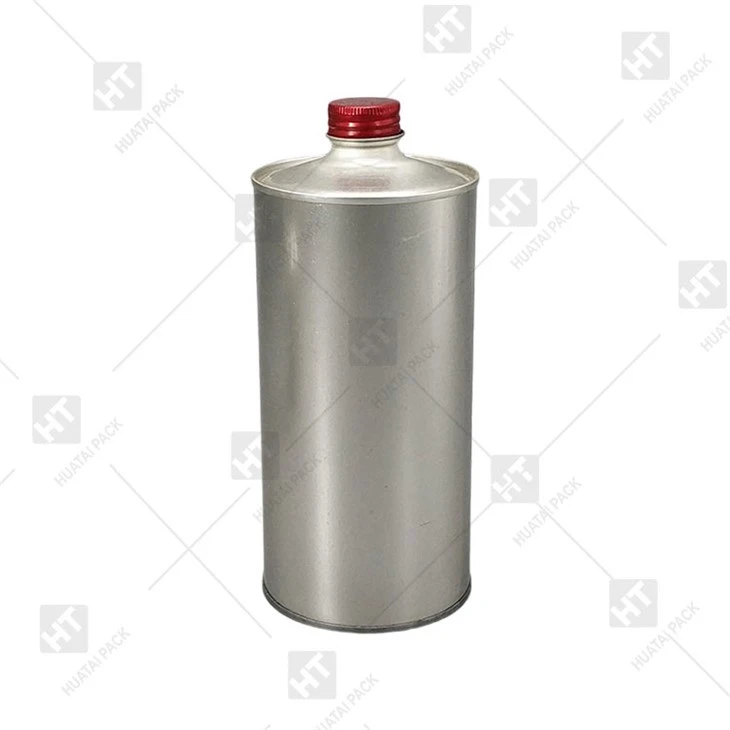
Economically, reusing cans can save costs for both suppliers and end - users. For suppliers, it reduces the production cost as they don't have to invest in new materials and manufacturing processes for every can. End - users can also benefit from lower prices if they choose to refill reused cans instead of buying new ones. The 1L Engine Oil Round Tin Can is a popular choice, and reusing it can lead to substantial savings over time.
Challenges in Reusing Industrial Oil Cans
Cleaning and Sanitization
One of the major challenges in reusing industrial oil cans is ensuring proper cleaning and sanitization. Oil residues can be sticky and difficult to remove completely. These residues may contain contaminants such as dirt, metal particles, and chemical additives from the previous oil. If not cleaned properly, these contaminants can mix with the new oil, affecting its quality and potentially causing damage to the machinery where the oil is used.
To address this issue, specialized cleaning processes are required. This may involve using solvents or detergents that are effective in breaking down oil residues. However, the use of solvents also raises environmental concerns as some solvents can be harmful if not disposed of properly.
Regulatory Compliance
There are strict regulations regarding the reuse of industrial containers, especially those that have held hazardous substances. Different regions have different rules, and suppliers and users need to ensure that they comply with all relevant laws. For example, in some areas, there are specific requirements for labeling reused cans to indicate their previous contents and the cleaning process they have undergone. Failure to comply with these regulations can result in legal penalties.
Best Practices for Reusing Industrial Oil Cans
Inspection
Before reusing an industrial oil can, a thorough inspection is necessary. Check for any signs of damage such as dents, cracks, or rust. A damaged can may not be suitable for reuse as it can lead to leaks, which can be dangerous and wasteful. Inspect the lid and the sealing mechanism to ensure a proper fit.
Cleaning Process
As mentioned earlier, a proper cleaning process is crucial. Start by draining any remaining oil from the can. Then, use a suitable cleaning agent to scrub the inside of the can. Rinse the can thoroughly with clean water multiple times to remove all traces of the cleaning agent and oil residues. After rinsing, dry the can completely to prevent rusting.
Quality Control
Implement a quality control system to ensure that the reused cans meet the required standards. This can include testing the cans for leaks, checking the cleanliness level, and verifying that they are suitable for the intended oil. Quality control helps to build trust with customers and ensures that the reused cans perform as expected.
Case Studies
Success Stories
There are several companies that have successfully implemented the reuse of industrial oil cans. For example, a manufacturing company in the automotive industry started reusing its engine oil cans. By setting up an in - house cleaning and inspection facility, they were able to reduce their packaging costs by 30% within the first year. They also noticed a positive impact on their environmental performance, which enhanced their corporate image.

Lessons Learned
From these success stories, we can learn that proper planning and investment in the reuse process are essential. Companies need to have a clear understanding of the regulatory requirements and allocate sufficient resources for cleaning, inspection, and quality control. Communication with customers is also important to educate them about the benefits and safety of using reused cans.
Conclusion
In conclusion, industrial oil cans can be reused, but it comes with both opportunities and challenges. The feasibility of reuse is supported by the material and design characteristics of the cans, as well as the environmental and economic benefits. However, challenges such as cleaning, sanitization, and regulatory compliance need to be addressed.
By following best practices such as inspection, proper cleaning, and quality control, suppliers and users can make the most of the reuse option. As a supplier of industrial oil cans, I am committed to promoting the reuse of our products in a safe and sustainable manner.
If you are interested in learning more about our industrial oil cans or are considering reusing them for your business, I encourage you to reach out for a procurement discussion. We can provide you with detailed information about our products, the reuse process, and how we can work together to achieve your goals.
References
- "Container Recycling and Reuse: A Global Perspective" by Smith, J.
- "Regulations on Industrial Container Reuse" published by the Environmental Protection Agency.
- Case studies from industry journals on successful industrial oil can reuse initiatives.