

Can a 5 gallon tin pail be used for storing cement?
Nov 10, 2025
When it comes to construction and DIY projects, proper storage of materials is crucial. One common question that often arises is whether a 5 - gallon tin pail can be used for storing cement. As a supplier of 5 - gallon tin pails, I'm well - versed in the capabilities and limitations of these containers, and I'm here to provide you with a detailed analysis.
Understanding the Properties of Cement
Cement is a fine powder that, when mixed with water, forms a paste that hardens over time through a chemical process called hydration. It is highly hygroscopic, which means it readily absorbs moisture from the surrounding environment. Exposure to moisture can cause premature hydration, leading to clumping and a loss of the cement's binding properties.
The Characteristics of 5 - Gallon Tin Pails
A 5 - gallon tin pail, typically made of steel, offers several advantages for storage. Firstly, it has a relatively large capacity, which is suitable for storing a significant amount of cement. This can be beneficial for both small - scale DIY projects and larger construction endeavors. Secondly, tin pails are durable and can withstand physical impacts and rough handling to some extent. They also provide a certain level of protection against external elements.
Advantages of Using a 5 - Gallon Tin Pail for Cement Storage
-
Protection from Physical Damage
The sturdy construction of a 5 - gallon tin pail can protect the cement from being crushed or damaged during storage and transportation. This is especially important if the cement is stored in an area where it might be bumped or knocked over. For example, in a busy construction site, the tin pail can shield the cement from accidental impacts. -
Sealing Capability
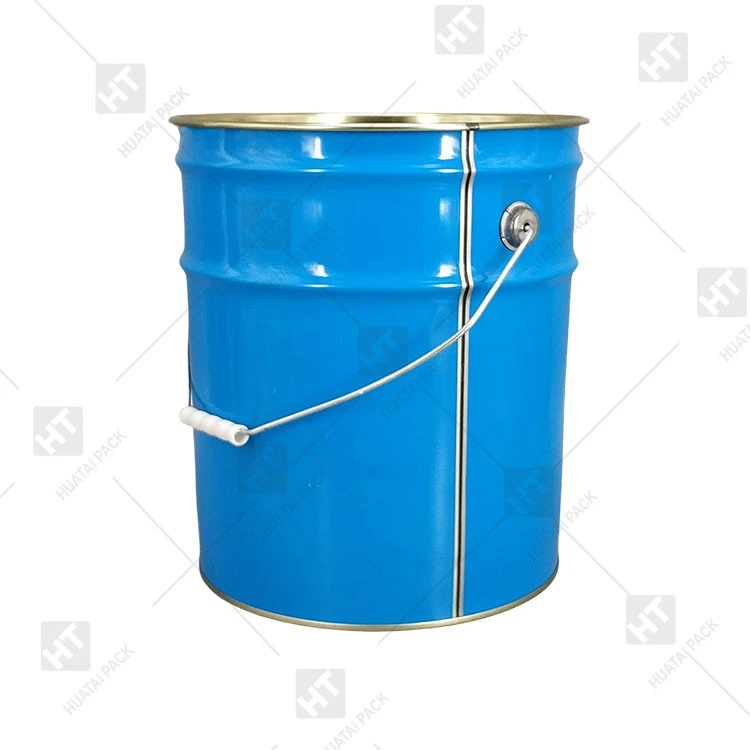
Many 5 - gallon tin pails come with tight - fitting lids. A well - sealed pail can prevent air and moisture from entering, which is essential for maintaining the quality of the cement. If the lid forms an airtight seal, it can significantly reduce the risk of premature hydration. You can find a high - quality option like the 5 Gallon Blue Empty Steel Tin Pail on our website, which is designed with a reliable sealing mechanism. -
Visibility and Organization
Tin pails are often transparent or have a visible surface, which allows you to easily check the quantity of cement remaining inside. This helps in better inventory management. You can also label the pails for easy identification, especially if you are storing different types of cement or other construction materials.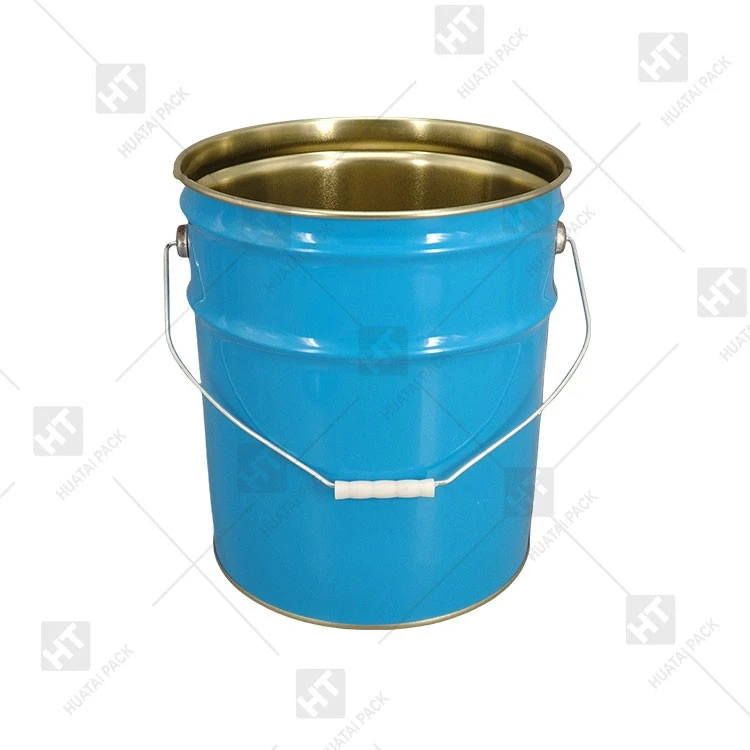
Challenges and Considerations
- Rust and Corrosion
Steel tin pails are prone to rust if they come into contact with moisture for an extended period. Rust can not only damage the pail but also contaminate the cement. To prevent this, it is important to store the pails in a dry environment. Additionally, some tin pails are coated with anti - rust materials. For instance, the Iron Barrel For Paint on our site has a special coating that provides some protection against rust, and it can also be used for cement storage with proper precautions. - Temperature and Humidity
Even with a sealed pail, extreme temperature and humidity conditions can affect the cement. High humidity can cause moisture to condense inside the pail, leading to clumping. In very cold temperatures, the cement might freeze if there is any moisture present, which can also damage its properties. Therefore, it is advisable to store the pails in a climate - controlled environment whenever possible. - Ventilation
Although a sealed pail is important to keep moisture out, in some cases, a small amount of ventilation might be necessary. Cement can release small amounts of gases during storage, and proper ventilation can prevent the build - up of pressure inside the pail. However, this ventilation should be carefully balanced to avoid excessive moisture entry.
Best Practices for Storing Cement in a 5 - Gallon Tin Pail
- Clean the Pail
Before storing cement, make sure the tin pail is clean and dry. Any residue or moisture inside the pail can contaminate the cement. Wipe the pail with a dry cloth to remove any dust or debris. - Use a Desiccant
To further reduce moisture inside the pail, you can place a desiccant packet inside. Silica gel packets are commonly used for this purpose. They absorb excess moisture and help maintain a dry environment for the cement. - Stacking and Storage Location
When stacking the pails, ensure that they are stable to prevent them from falling. Store the pails in a dry, well - ventilated area away from direct sunlight and sources of heat or moisture. A storage shed or a basement with proper humidity control can be a good option.
Other Applications of 5 - Gallon Tin Pails
Apart from storing cement, 5 - gallon tin pails have a wide range of other applications. For example, they can be used for storing paint, which is why we offer the Iron Barrel For Paint. They are also suitable for storing gardening supplies such as fertilizers and pesticides. The Metal Bucket with Flower Lid is not only functional but also has an aesthetically pleasing design, making it a great choice for home use.
Conclusion
In conclusion, a 5 - gallon tin pail can be a viable option for storing cement, provided that proper precautions are taken. The pail's durability, sealing capability, and large capacity make it suitable for this purpose. However, challenges such as rust, temperature, and humidity need to be carefully managed. By following the best practices mentioned above, you can ensure that the cement remains in good condition during storage.
If you are interested in purchasing high - quality 5 - gallon tin pails for cement storage or other applications, we invite you to contact us for procurement and negotiation. Our team of experts is ready to assist you in finding the most suitable products for your needs.
References
- ASTM C150: Standard Specification for Portland Cement
- Concrete Construction Handbook, 4th Edition