

Are there any specific storage conditions for the bottom ring lid?
Jul 25, 2025
As a dedicated supplier of bottom ring lids, I often encounter inquiries from clients regarding the specific storage conditions for these essential components. In this blog post, I'll delve into the crucial factors that influence the storage of bottom ring lids and provide practical guidance to ensure their optimal preservation.
Understanding the Importance of Proper Storage
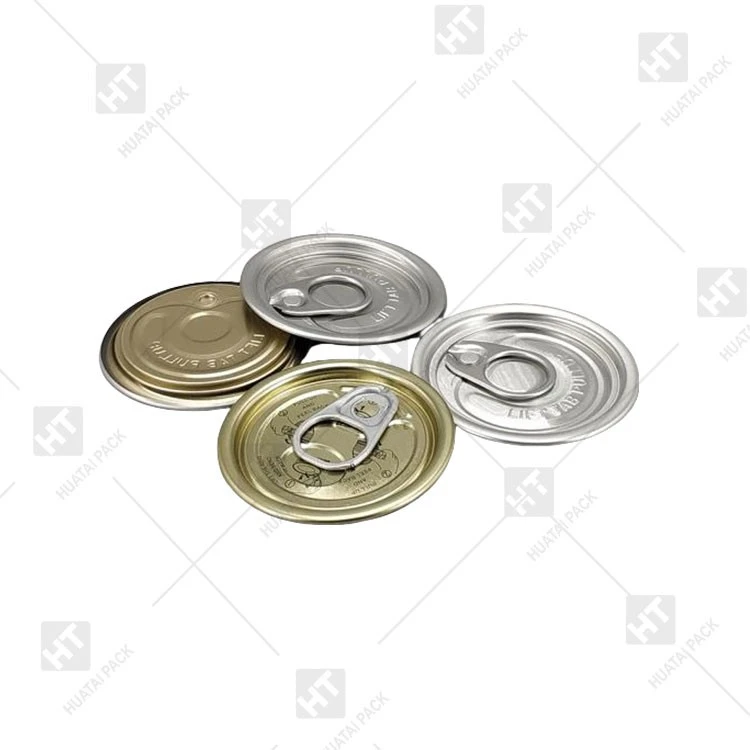
Bottom ring lids are designed to provide a secure seal for various types of containers, such as Accessories For 1L 5L Square Cans and Accessories For Metal Packing. They play a vital role in maintaining the integrity of the packaged products, protecting them from contamination, leakage, and damage. Therefore, proper storage is essential to preserve the quality and functionality of these lids.
Environmental Factors
Temperature
Temperature is one of the most critical environmental factors that can affect the storage of bottom ring lids. Extreme temperatures can cause the materials used in the lids to expand or contract, leading to deformation, cracking, or loss of seal integrity. For most bottom ring lids, it is recommended to store them in a temperature-controlled environment between 10°C and 30°C (50°F and 86°F). Avoid storing the lids in areas that are exposed to direct sunlight, heaters, or air conditioning vents, as these can create significant temperature fluctuations.
Humidity
Humidity levels can also have a significant impact on the quality of bottom ring lids. High humidity can cause the lids to rust, corrode, or develop mold, while low humidity can make the materials brittle and prone to cracking. It is advisable to store the lids in a dry environment with a relative humidity level between 30% and 60%. If the storage area is prone to high humidity, consider using dehumidifiers or moisture-absorbing materials to maintain the appropriate humidity levels.
Ventilation
Proper ventilation is essential to prevent the accumulation of moisture, dust, and other contaminants in the storage area. Good ventilation helps to maintain a consistent temperature and humidity level, reducing the risk of damage to the bottom ring lids. Ensure that the storage area has adequate air circulation by installing vents, fans, or opening windows periodically. Avoid storing the lids in closed or poorly ventilated spaces, as this can lead to the growth of mold and mildew.
Packaging and Handling
Packaging
The packaging of bottom ring lids plays a crucial role in protecting them during storage and transportation. When receiving the lids from the manufacturer, ensure that they are properly packaged in sealed containers or bags to prevent contamination and damage. If the lids are not packaged in a protective container, consider using plastic wrap, bubble wrap, or other protective materials to cover them. Label the packaging with the product name, quantity, and storage instructions to facilitate easy identification and handling.
Handling
Proper handling of bottom ring lids is essential to prevent damage and ensure their optimal performance. When moving or stacking the lids, use appropriate lifting equipment, such as forklifts or pallet jacks, to avoid dropping or crushing them. Avoid using sharp or abrasive tools when handling the lids, as this can scratch or damage the surface. If the lids are stacked, ensure that they are stacked evenly and securely to prevent them from toppling over.
Storage Containers and Racks
Containers
Choosing the right storage containers is crucial to protect the bottom ring lids from damage and contamination. Plastic containers with tight-fitting lids are an excellent choice for storing small quantities of lids, as they provide a secure and airtight environment. For larger quantities of lids, consider using metal or wooden pallets with protective covers to prevent them from being damaged during handling and storage. Ensure that the containers are clean and dry before storing the lids, and avoid using containers that have been previously used to store chemicals or other hazardous materials.
Racks
Storing bottom ring lids on racks can help to maximize storage space and facilitate easy access. When using racks, ensure that they are sturdy and stable, and that the shelves are adjustable to accommodate different sizes of lids. Use dividers or partitions to separate the lids and prevent them from rubbing against each other, which can cause scratches or damage. Label the racks with the product name, quantity, and storage location to facilitate easy identification and retrieval.

Inspection and Maintenance
Inspection
Regular inspection of the bottom ring lids is essential to detect any signs of damage or deterioration. Inspect the lids for cracks, dents, rust, or other defects before using them. If any damaged lids are found, remove them from the storage area and dispose of them properly. Inspect the storage area periodically for signs of moisture, mold, or other contaminants, and take appropriate measures to address any issues.
Maintenance
Maintaining the storage area and equipment is essential to ensure the long-term preservation of the bottom ring lids. Clean the storage containers, racks, and shelves regularly to remove dust, dirt, and other contaminants. Check the ventilation system periodically to ensure that it is functioning properly, and replace any filters or components as needed. If the storage area is located in a high-traffic area, consider installing protective barriers or guards to prevent damage to the lids.
Conclusion
Proper storage of bottom ring lids is essential to maintain their quality and functionality. By considering the environmental factors, packaging and handling, storage containers and racks, and inspection and maintenance, you can ensure that the lids are stored in optimal conditions and are ready for use when needed. As a supplier of bottom ring lids, I am committed to providing high-quality products and comprehensive support to my clients. If you have any questions or need further information about the storage of bottom ring lids, please feel free to contact me for more details. I look forward to discussing your specific requirements and providing you with the best solutions for your packaging needs.
References
- Packaging Machinery Manufacturers Institute (PMMI). (2023). Best Practices for Packaging Storage and Handling.
- International Safe Transit Association (ISTA). (2023). Packaging Testing Standards and Procedures.
- American Society for Testing and Materials (ASTM). (2023). Standards for Packaging Materials and Containers.