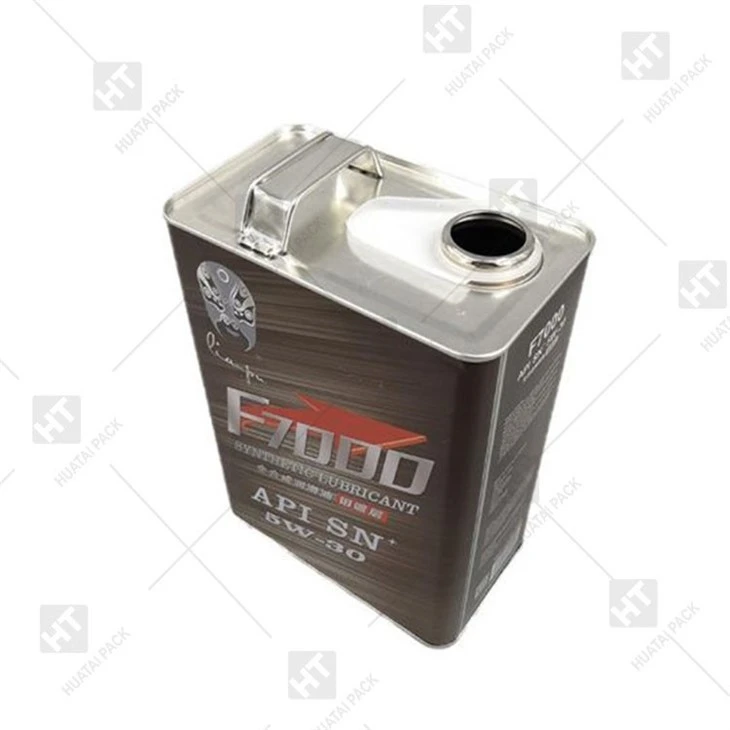

What safety precautions should I take when handling an engine oil can?
Aug 15, 2026
Hey there! As an engine oil can supplier, I've seen my fair share of oil can handling mishaps. It's super important to take the right safety precautions when dealing with these cans. Not only does it protect you, but it also ensures that the oil inside stays in good condition. So, let's dive into what you need to know.
Before You Start Handling
First off, make sure you're in a proper environment. You don't wanna handle engine oil cans in a place that's too hot, too cold, or super humid. Extreme temperatures can mess with the integrity of the can and the oil inside. For example, if it's too hot, the oil might expand and cause the can to bulge or even burst. And if it's too cold, the oil could thicken and become harder to pour.
Also, check the can for any signs of damage. Dents, leaks, or rust can all be bad news. A dented can might have a weakened structure, which could lead to it breaking open during handling. A leaky can is obvious - you don't want oil spilling all over the place. And rust can eat through the metal over time, causing the can to fail. If you find any issues with the can, don't use it. Instead, contact your supplier (like me!) to get a replacement.
Personal Protective Equipment (PPE)
Wearing the right PPE is crucial. You should always wear gloves. Engine oil can be messy and can also be harmful to your skin. It might contain chemicals that can cause irritation or even long - term health problems. Gloves will not only keep your hands clean but also protect them from any direct contact with the oil.
Safety glasses are also a must. When you're opening or pouring oil, there's a chance that some droplets or splashes could fly into your eyes. One little drop of oil in your eye can be extremely painful and cause damage. So, put on those safety glasses before you start handling the can.
If you're working in an area where there's a risk of oil splashing on your clothes or body, consider wearing a protective apron. It'll keep your regular clothes clean and protect your skin from any potential oil spills.
Opening the Engine Oil Can
When it's time to open the can, be careful. Some cans have pull - tabs, while others might require a can opener. If it's a pull - tab can, make sure you pull it slowly and steadily. If you yank it too hard, the tab could break off, or the can could rupture suddenly, sending oil everywhere.
For cans that need a can opener, use a proper one. Don't try to use a random tool that's not designed for the job. A dull or improper can opener can cause jagged edges on the can, which can be sharp and cut you. And it might also not open the can cleanly, leading to spills.
Once you've opened the can, take a quick look inside to make sure there's no debris or anything unusual in the oil. If you see something strange, don't use the oil. It could be a sign that the can got contaminated during production or storage.
Pouring the Engine Oil
When you're pouring the oil, do it slowly. Rushing can cause spills, and oil spills are a pain to clean up. Also, make sure you're pouring into a proper container or the engine's oil reservoir. Don't pour on the floor or in an open area. If you're pouring into a narrow opening, like an engine's oil filler neck, use a funnel. It'll help you direct the oil exactly where it needs to go and reduce the chances of spills.
Keep the can steady while you're pouring. If it wobbles, oil will spill. You might want to hold it with both hands if possible. And be aware of your surroundings. Make sure there are no obstacles or people in the way that you could accidentally bump into while pouring.
Storage of Engine Oil Cans
If you're not using all the oil at once, proper storage is key. Keep the cans in a cool, dry place away from direct sunlight. Sunlight can heat up the oil and cause it to break down faster. Also, make sure the storage area is well - ventilated. Engine oil can give off fumes, and in a poorly ventilated space, these fumes can build up and be a health hazard.
Store the cans upright. This helps prevent leaks and ensures that the seal on the can stays intact. If you stack the cans, make sure you don't stack them too high. A tall stack could topple over, causing damage to the cans and creating a big mess.
Disposal of Empty Engine Oil Cans
Once you've emptied the can, don't just throw it in the regular trash. Engine oil cans can be recycled, and it's important to do so. Recycling helps conserve resources and reduces waste. First, make sure the can is completely empty. You might need to rinse it out a few times with a small amount of clean oil or a suitable solvent. But be careful when using solvents, as some can be flammable or toxic.
After rinsing, let the can dry completely. Then, take it to a recycling facility that accepts metal cans. Most cities have collection points for recycling metal, and they'll be able to process the engine oil can properly.
Our Product Range
As a supplier, I offer a great range of engine oil cans. Check out our 4L F - style Tin Can, which is super durable and has a great design for easy handling. We also have the F - Style Engine Oil Tin Can, which is popular among our customers for its quality and reliability. If you're looking for different sizes, our 1L 4L Square Tin Can is a great option. And don't forget about our F Style Oil Can and Metal Can For Thinner.
If you're interested in purchasing our engine oil cans, feel free to reach out for a chat. We can discuss your specific needs, quantities, and pricing. We're committed to providing high - quality products and excellent service to our customers.