

What is the wall thickness of tight head pails?
Jul 29, 2025
Hey there! As a supplier of tight head pails, I often get asked about the wall thickness of these containers. It's a crucial factor that affects their durability, strength, and overall performance. In this blog post, I'll dive deep into what the wall thickness of tight head pails means, why it matters, and how it varies across different types of pails.
What Are Tight Head Pails?
Before we get into the wall thickness, let's quickly go over what tight head pails are. Tight head pails are sealed containers designed to hold various substances, including liquids, powders, and solids. They're commonly used in industries like chemicals, food, and pharmaceuticals because they provide a secure and leak - proof storage solution.
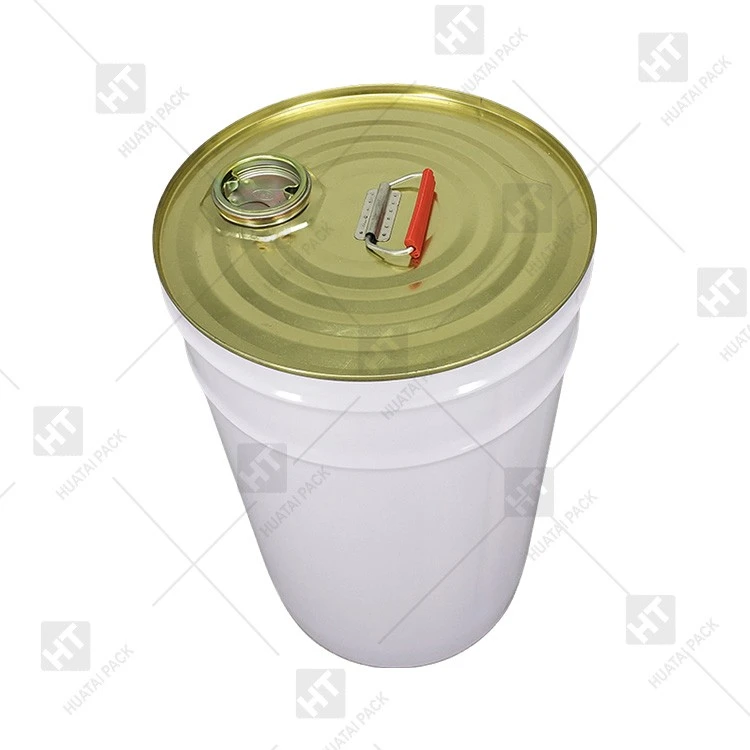
There are different types of tight head pails, such as Closed Metal Pail, 5gallon Metal Pail, and Metal Drum For Engine Oil. Each type has its own unique features and applications, and the wall thickness plays a significant role in determining their suitability for specific uses.
Understanding Wall Thickness
The wall thickness of a tight head pail refers to the measurement of the material that makes up the sides of the pail. It's usually measured in millimeters (mm) or inches. A thicker wall generally means a stronger and more durable pail, but it also affects the weight and cost of the container.
When it comes to tight head pails, the wall thickness can vary depending on several factors:
1. Material
The material used to make the pail is one of the biggest determinants of wall thickness. For example, metal pails, like steel or aluminum, can have different wall thicknesses based on the grade of the metal and its intended use. Steel pails used for heavy - duty applications, such as storing industrial chemicals, might have a thicker wall compared to those used for lighter substances.
Plastic pails also have varying wall thicknesses. High - density polyethylene (HDPE) pails, which are popular for their chemical resistance, can have different wall thicknesses depending on the manufacturing process and the required strength.
2. Size
The size of the tight head pail also influences the wall thickness. Larger pails typically need a thicker wall to maintain their structural integrity. A 5 - gallon pail, for instance, will usually have a thicker wall than a 1 - gallon pail. This is because the larger surface area and volume of the 5 - gallon pail put more stress on the walls, and a thicker wall helps prevent deformation and leakage.
3. Application
The intended application of the pail is another important factor. Pails used for storing corrosive chemicals need a thicker wall to resist chemical attack and prevent leaks. On the other hand, pails used for storing dry goods or non - corrosive liquids might have a thinner wall. For example, a Metal Drum For Engine Oil needs to be able to withstand the weight of the oil and any potential impacts during transportation, so it usually has a relatively thick wall.
Typical Wall Thickness Ranges
Let's take a look at some typical wall thickness ranges for different types of tight head pails:
Metal Pails
- Steel pails: For general - purpose steel pails, the wall thickness can range from about 0.3 mm to 1.5 mm. Smaller pails or those used for lighter loads might have a thinner wall, around 0.3 - 0.5 mm. Heavy - duty steel pails, like those used in the chemical industry, can have a wall thickness of 1.0 - 1.5 mm or even more.
- Aluminum pails: Aluminum pails are generally lighter than steel pails. Their wall thickness usually ranges from 0.2 mm to 0.8 mm. Thinner aluminum pails are often used for packaging food products or cosmetics, while thicker ones can be used for industrial applications.
Plastic Pails
- HDPE pails: The wall thickness of HDPE pails can vary from 1.5 mm to 5 mm. Smaller pails or those used for less demanding applications might have a wall thickness of around 1.5 - 2.5 mm. Larger or heavy - duty HDPE pails can have a wall thickness of 3 - 5 mm.
Why Wall Thickness Matters
The wall thickness of tight head pails has several implications:
1. Strength and Durability
A thicker wall provides greater strength and durability. It can withstand more pressure, impacts, and rough handling without deforming or breaking. This is especially important for pails that are used in industries where they might be dropped, stacked, or transported long distances.
2. Leak Prevention
A well - constructed pail with an appropriate wall thickness helps prevent leaks. Thicker walls are less likely to develop cracks or holes, which can lead to the leakage of the contents. This is crucial for storing hazardous or valuable substances.
3. Chemical Resistance
In the case of pails used for storing chemicals, the wall thickness can affect the pail's chemical resistance. A thicker wall can provide an extra layer of protection against chemical attack, reducing the risk of corrosion and contamination.
4. Cost and Weight
Thicker walls generally mean a higher cost and a heavier pail. This can impact the overall cost of packaging and transportation. It's important to find the right balance between wall thickness, strength, and cost to ensure that the pail meets the requirements of the application without being overly expensive or heavy.
Choosing the Right Wall Thickness
As a supplier, I often help customers choose the right wall thickness for their tight head pails. Here are some tips to consider:

- Assess the contents: Think about what you'll be storing in the pail. If it's a corrosive chemical, a thicker - walled pail is usually a better choice. For dry goods or non - corrosive liquids, a thinner wall might be sufficient.
- Consider the handling and transportation: If the pails will be subject to rough handling or long - distance transportation, a thicker wall can provide better protection.
- Evaluate the budget: Balancing the cost and the required performance is essential. You don't want to over - invest in a pail with a thicker wall than you actually need, but you also don't want to compromise on quality.
Conclusion
The wall thickness of tight head pails is a critical factor that affects their performance, durability, and suitability for different applications. Whether you're in the chemical, food, or pharmaceutical industry, understanding the importance of wall thickness can help you make the right choice when it comes to packaging your products.
If you're looking for high - quality tight head pails and need help choosing the right wall thickness for your specific needs, don't hesitate to reach out. We're here to assist you in finding the perfect solution for your packaging requirements.
References
- "Packaging Materials and Technology Handbook"
- Industry reports on tight head pail manufacturing and applications