

What is the shelf life of products stored in tight head pails?
Aug 29, 2025
Hey there! As a supplier of tight head pails, I often get asked about the shelf life of products stored in these containers. It's a crucial question, especially for businesses that rely on storing various substances for extended periods. So, let's dive right in and explore what affects the shelf life of products in tight head pails.
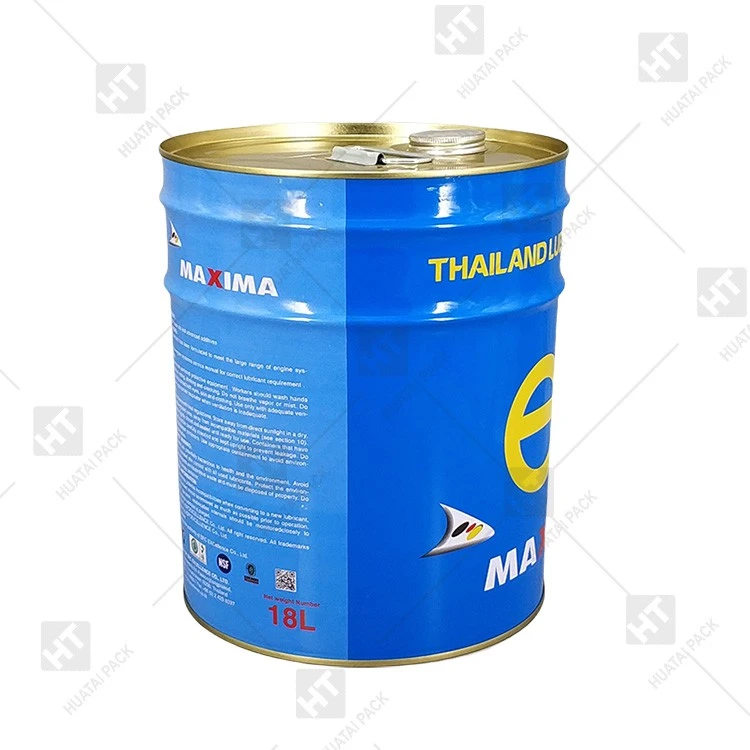
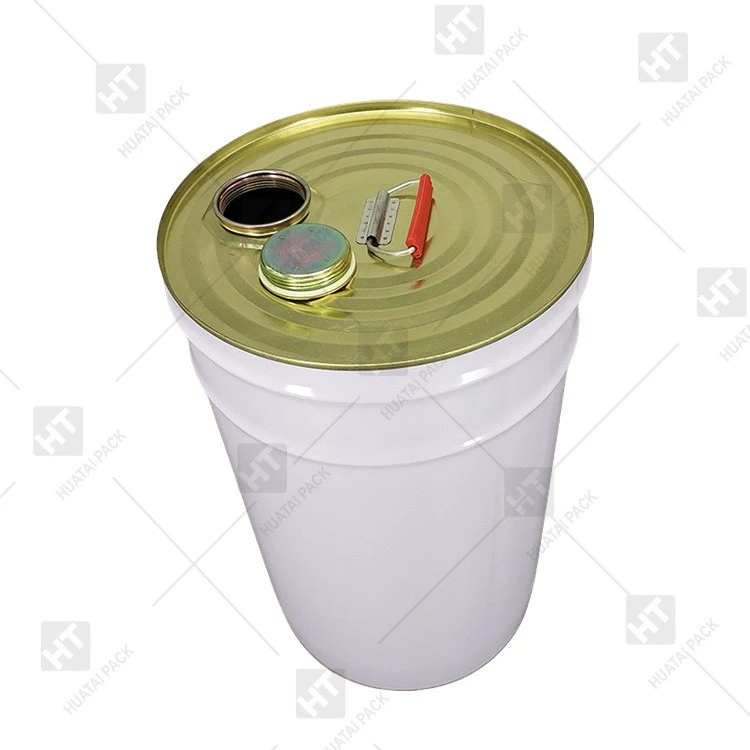
First off, what are tight head pails? Well, they're those sturdy containers with a secure lid that seals tightly, preventing any leakage or contamination. They come in different materials like metal and plastic, and various sizes to suit different needs. For example, we have the Metal Drum For Engine Oil, which is perfect for storing engine oil safely, and the Closed Metal Pail, a versatile option for many types of liquids and solids.
Now, the shelf life of a product stored in a tight head pail depends on several factors. The first and most obvious one is the nature of the product itself. Some substances are more stable and can last for a long time, while others are more prone to degradation.
Product Characteristics
- Chemicals: Chemicals can have a wide range of shelf lives. For instance, some industrial solvents might have a shelf life of several years if stored properly in a tight head pail. They're usually stable under normal conditions, and the tight seal of the pail helps keep out moisture and air, which can cause chemical reactions. On the other hand, some reactive chemicals might have a shorter shelf life. They could react with the container material over time or with any impurities that might find their way in, even through a small breach in the seal.
- Food Products: When it comes to food, the shelf life is often much shorter. Perishable foods like dairy products or fresh sauces won't last long, even in a tight head pail. However, non - perishable food items such as dry grains or canned goods can have a relatively long shelf life. The tight head pail provides an extra layer of protection against pests and moisture, which can extend the product's usability.
- Paints and Coatings: Paints and coatings also have varying shelf lives. High - quality paints can last for a couple of years in a sealed tight head pail. But factors like temperature and humidity can affect their quality. If the paint is exposed to extreme temperatures, it might start to separate or thicken, reducing its effectiveness.
Container Material
The material of the tight head pail plays a significant role in determining the shelf life of the stored product.
- Metal Pails: Metal pails, like our 5gallon Metal Pail, are durable and offer good protection. They're resistant to punctures and can withstand a certain amount of rough handling. However, some metals can react with certain chemicals. For example, acidic substances might corrode the metal over time, which can not only damage the pail but also contaminate the product inside. To prevent this, many metal pails are coated with a protective layer.
- Plastic Pails: Plastic pails are lightweight and cost - effective. They're generally resistant to many chemicals, but they can be affected by UV light. If a plastic pail containing a product is exposed to direct sunlight for long periods, the plastic might start to break down, and this could potentially affect the product's shelf life.
Storage Conditions
Even with the best tight head pail, the storage conditions can make or break the shelf life of the product.
- Temperature: Extreme temperatures are the enemy of most stored products. High temperatures can accelerate chemical reactions, causing the product to degrade faster. For example, if a container of paint is stored in a hot attic, it might dry out or become lumpy much sooner than if it were stored in a cool, dry place. On the other hand, very low temperatures can cause some liquids to freeze and expand, potentially damaging the pail and the product inside.
- Humidity: Moisture can be a big problem. High humidity can lead to the growth of mold and mildew, especially in food products or organic substances. It can also cause corrosion in metal pails. Keeping the storage area dry is essential for maintaining the integrity of the product and the container.
- Light Exposure: As mentioned earlier, light, especially UV light, can have a negative impact on both the container and the product. For example, light - sensitive chemicals might break down when exposed to sunlight. Storing the tight head pails in a dark place or using opaque containers can help mitigate this issue.
Shelf Life Testing
To accurately determine the shelf life of a product stored in a tight head pail, companies often conduct shelf life testing. This involves storing samples of the product under different conditions and periodically analyzing them to see how their quality changes over time. By doing this, they can establish a reliable estimate of how long the product will remain usable in a given container.
Extending Shelf Life
There are several things you can do to extend the shelf life of products stored in tight head pails.
- Proper Sealing: Make sure the pail is properly sealed. Check the lid for any signs of damage or wear and tear. A loose seal can allow air, moisture, or contaminants to enter, reducing the product's shelf life.
- Regular Inspection: Periodically inspect the pails for any signs of damage, such as dents, cracks, or corrosion. If you notice any issues, transfer the product to a new container as soon as possible.
- Ideal Storage: Store the pails in a location with stable temperature and humidity. Avoid areas prone to flooding, extreme heat, or direct sunlight.
In conclusion, the shelf life of products stored in tight head pails is influenced by a variety of factors, including the product itself, the container material, and the storage conditions. As a supplier of tight head pails, we understand the importance of providing high - quality containers that can help protect your products for as long as possible.
If you're in the market for tight head pails or have questions about how our products can best suit your storage needs, don't hesitate to reach out. We're here to help you find the right solution for your business. Whether you need a Metal Drum For Engine Oil, a Closed Metal Pail, or a 5gallon Metal Pail, we've got you covered.
References
- Smith, J. (2020). "Storage of Chemical Products in Containers". Chemical Industry Journal.
- Johnson, A. (2019). "Shelf Life of Food Products in Sealed Containers". Food Science Review.
- Brown, C. (2021). "Impact of Storage Conditions on Paints and Coatings". Paint Technology Magazine.