

What is the proper way to store a paint can after use?
Sep 26, 2025
As a paint can supplier, I've seen firsthand the importance of proper paint can storage. Not only does it ensure the longevity of the paint but also maintains the integrity of the can itself. In this blog, I'll share some scientific and practical tips on how to store a paint can after use.
1. Clean the Can Thoroughly
Before storing a paint can, it's crucial to clean the outside of the can. Any paint spills or drips on the can surface can dry and cause the lid to stick, making it difficult to open in the future. Use a damp cloth to wipe off any excess paint. If there are stubborn paint stains, you can use a mild solvent recommended for the type of paint. For example, water - based paints can be cleaned with soap and water, while oil - based paints may require a paint thinner. By keeping the can clean, you prevent the formation of a seal between the lid and the can body that could lead to airtightness issues and potential rusting.
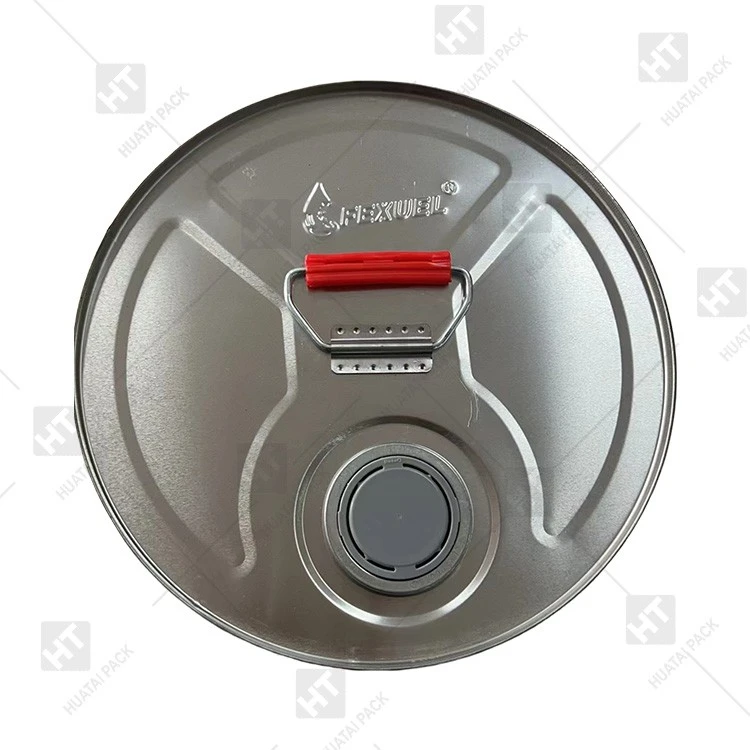
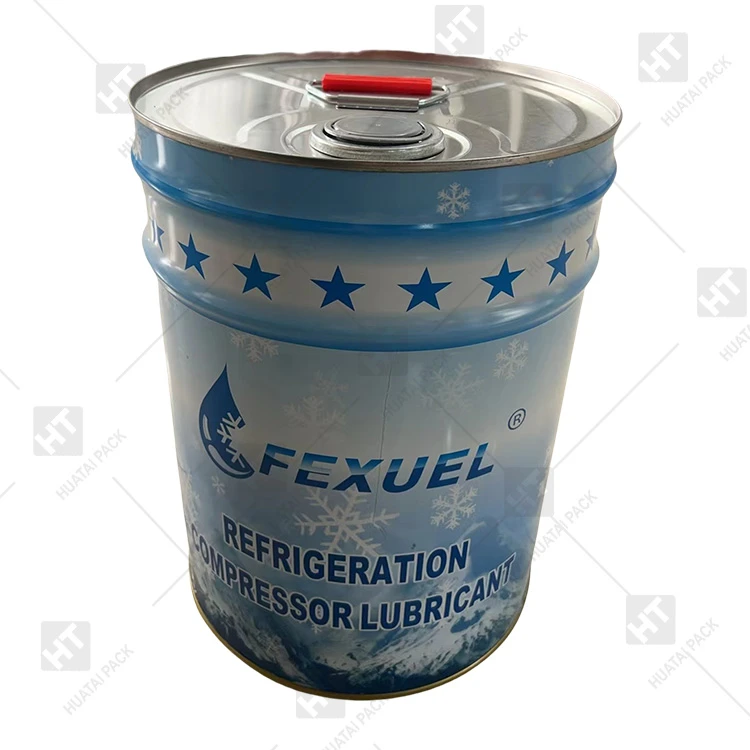
2. Seal the Can Properly
A tight seal is essential for paint storage. When you're done using the paint, make sure to replace the lid correctly. Use a rubber mallet or a similar tool to gently tap the lid around the edges to ensure it's evenly seated. This helps prevent air from entering the can, which can cause the paint to dry out or form a skin on the surface. If the lid is damaged or doesn't fit properly, it's advisable to replace it. We offer a variety of lids for different paint can sizes, including those for our Small Round Metal Can For Paint 1L. A well - sealed can also reduces the risk of spills and leaks during storage.
3. Choose the Right Storage Location
The storage location plays a significant role in the preservation of paint. First, the area should be cool and dry. High temperatures can cause the paint to expand, leading to leaks or even the can bursting. On the other hand, extremely cold temperatures can cause the paint to freeze, which may change its consistency and performance. A temperature range between 50°F (10°C) and 80°F (27°C) is ideal.
Avoid storing paint cans in direct sunlight or near heat sources such as furnaces, water heaters, or radiators. Sunlight can cause the paint to fade and degrade over time. Also, the storage area should be well - ventilated. While paint cans are sealed, some volatile organic compounds (VOCs) may still escape, and proper ventilation helps disperse these fumes.
4. Store the Can Upright
Storing paint cans upright is the best practice. When a can is stored on its side or upside down, there's a higher risk of leaks, especially if the seal isn't perfect. Additionally, storing the can upright helps keep the paint in contact with the lid, which can prevent air from getting trapped inside. This is important for maintaining the quality of the paint. If you have a large number of paint cans, consider using a storage rack that keeps the cans in an upright position. We also offer Round Can For Paint that are designed to be stored upright easily.
5. Label the Can
Labeling the paint can is a simple yet effective way to keep track of the paint. Write down the brand, color, finish, and the date of purchase or when it was last opened. This information is useful when you need to use the paint again. You can quickly identify the paint you need and also determine if it's still within its usable lifespan. A sharpie or a label maker can be used for this purpose.
6. Consider the Type of Paint
Different types of paint require different storage considerations. Water - based paints are more susceptible to freezing than oil - based paints. If you live in an area with cold winters, it's important to take extra precautions to protect water - based paint from freezing. You can store them in an insulated area or use a space heater to maintain a suitable temperature.
Oil - based paints, on the other hand, can be more flammable. Therefore, it's crucial to store them in a location away from open flames or sources of ignition. Our Clsoed Metal Drun is suitable for storing oil - based paints as it provides a more secure and fire - resistant storage option.
7. Check the Can Regularly
Even if you've followed all the proper storage procedures, it's a good idea to check the paint cans regularly. Look for signs of rust, leaks, or any changes in the paint's appearance. If you notice rust on the can, it's important to address it immediately. You can use a rust remover and then apply a rust - preventive coating to the affected area. If the paint has separated or developed an unusual odor, it may no longer be suitable for use.
8. Long - Term Storage
For long - term storage, you may want to consider additional steps. You can add a thin layer of mineral spirits on top of oil - based paint to prevent it from forming a skin. For water - based paints, you can gently stir the paint before storage to ensure an even consistency. If you plan to store the paint for an extended period, it's also a good idea to rotate the stock. Use the older paint first to ensure that none of it goes bad.
In conclusion, proper paint can storage is a combination of cleaning, sealing, choosing the right location, and regular checks. By following these guidelines, you can ensure that your paint remains in good condition for a long time. Whether you're a professional painter or a DIY enthusiast, these tips will help you get the most out of your paint.
If you're in the market for high - quality paint cans, we're here to help. Our range of paint cans, including Small Round Metal Can For Paint 1L, Clsoed Metal Drun, and Round Can For Paint, are designed to meet your storage needs. We're open for procurement discussions and can provide you with the best solutions for your paint storage requirements. Contact us to start the conversation.
References
- "Paint Storage and Shelf Life" - The Paint Quality Institute
- "Best Practices for Storing Paints and Coatings" - American Coatings Association