

What is the maximum temperature an f style oil can can withstand?
Dec 18, 2025
Hey there! As a supplier of F style oil cans, I often get asked about the maximum temperature these cans can withstand. It's a crucial question, especially when it comes to storing and transporting oil products, which might be exposed to various temperature conditions. So, let's dive right in and explore this topic.
Understanding the Basics of F Style Oil Cans
First off, what exactly are F style oil cans? Well, they're a popular choice in the market for storing different types of oils, whether it's automotive oil, cooking oil, or industrial lubricants. These cans come in various shapes and sizes, like the 1L 4L Square Tin Can, 1L Square Tin Can, and Rectangular Tin Cans. They're made from high - quality tinplate, which offers good durability and protection for the oil inside.
Factors Affecting the Maximum Temperature Resistance
The maximum temperature an F style oil can can withstand isn't a fixed number. It depends on several factors.
Material Quality
The quality of the tinplate used in making the can is a major factor. Higher - grade tinplate has better heat - resistant properties. A well - made can with a thick and high - quality tinplate layer can generally handle higher temperatures compared to a cheaper, thinner one. For example, a can made from premium tinplate might start to show signs of deformation at around 150 - 200 degrees Celsius, while a lower - quality one could have issues at 100 - 120 degrees Celsius.
Can Design
The design of the can also plays a role. Cans with reinforced seams and a more robust structure are better able to withstand thermal stress. A well - designed can distributes the heat evenly across its surface, reducing the risk of localized overheating and damage. For instance, a can with a double - seamed lid and side seams is more likely to hold up under high - temperature conditions than a can with a single - seam design.
Coating
Many F style oil cans have an internal coating to prevent corrosion and protect the oil from reacting with the metal. This coating can also affect the can's temperature resistance. Some coatings are specifically formulated to withstand high temperatures. For example, a heat - resistant epoxy coating can increase the can's ability to handle temperatures up to 180 degrees Celsius, while a standard coating might only be good for up to 120 degrees Celsius.
Typical Temperature Ranges
In general, most F style oil cans can safely withstand temperatures up to 120 - 150 degrees Celsius for short periods. This means that if the can is exposed to such temperatures for a few hours, it should still maintain its integrity and not leak or deform significantly.
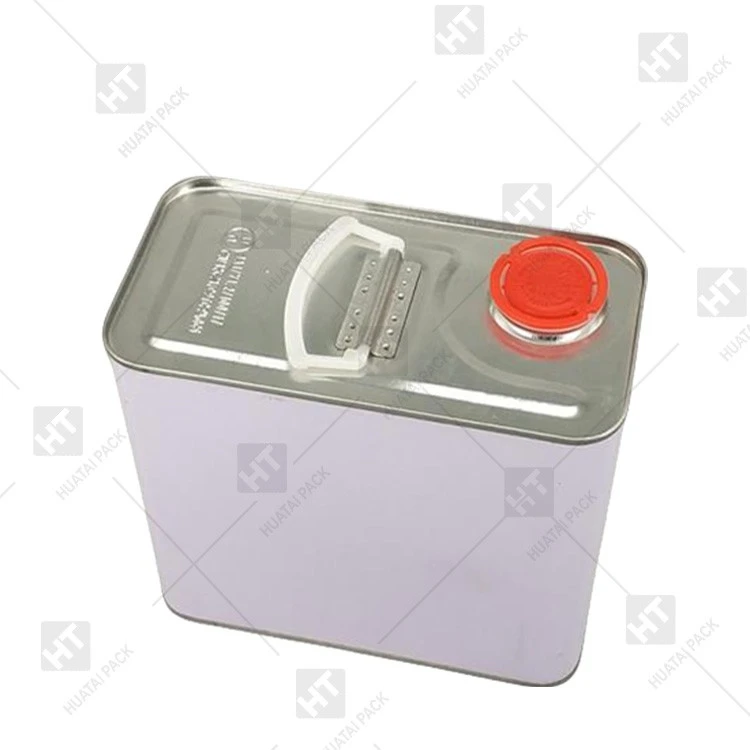
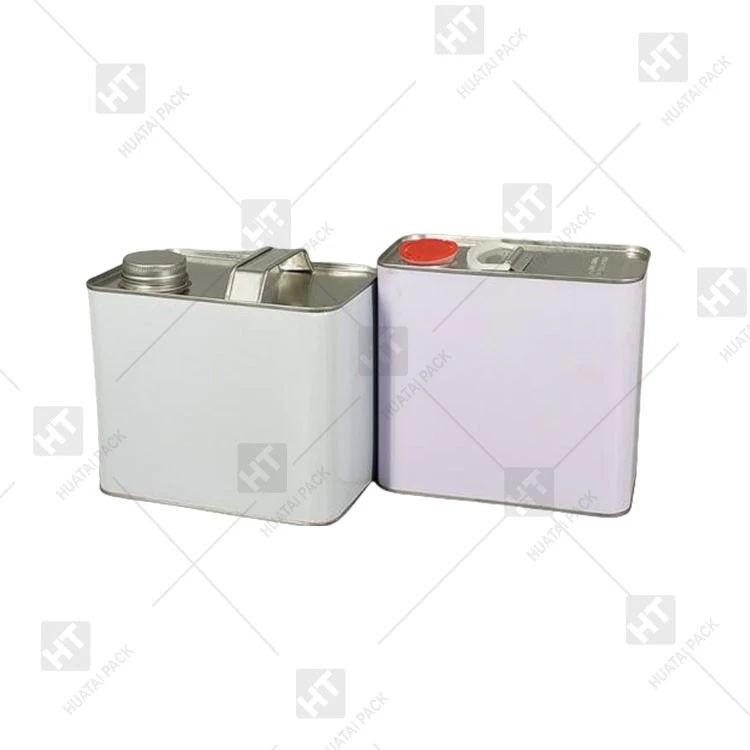
However, for long - term storage, it's recommended to keep the temperature well below this range. A more ideal temperature range for storing oil in these cans is between 20 - 40 degrees Celsius. This helps to preserve the quality of the oil and ensures the longevity of the can.
What Happens at High Temperatures?
When an F style oil can is exposed to temperatures above its maximum tolerance, several things can happen.
Deformation
One of the most common issues is deformation. The can might start to bulge or warp as the metal expands due to the heat. This can compromise the seal of the can, leading to potential leaks. For example, if the lid of the can deforms, it might not fit tightly anymore, allowing air and moisture to enter the can and contaminate the oil.
Coating Damage
The internal coating of the can can also be damaged at high temperatures. If the coating starts to peel or crack, it can expose the metal to the oil, leading to corrosion. This not only affects the quality of the oil but also weakens the can's structure over time.
Oil Degradation
High temperatures can also cause the oil inside the can to degrade. The chemical properties of the oil can change, leading to a decrease in its performance. For example, automotive oil might lose its lubricating properties, and cooking oil might start to break down and develop an off - flavor.
Real - World Applications and Precautions
In real - world situations, it's important to take precautions to ensure that F style oil cans are not exposed to excessive temperatures.
Storage
When storing oil cans, choose a cool and dry place. Avoid storing them near sources of heat, such as furnaces, boilers, or direct sunlight. If you're storing a large quantity of cans in a warehouse, make sure there is proper ventilation to prevent heat buildup.
Transportation
During transportation, especially in hot climates or in enclosed trucks, it's crucial to monitor the temperature. If the outside temperature is very high, consider using insulated containers or refrigerated trucks to keep the cans within a safe temperature range.
Conclusion
So, to sum it up, the maximum temperature an F style oil can can withstand depends on factors like material quality, design, and coating. While most cans can handle short - term exposure to temperatures up to 120 - 150 degrees Celsius, it's best to keep them in a cooler environment for long - term storage and to preserve the quality of the oil.
If you're in the market for high - quality F style oil cans that can withstand a wide range of temperatures, look no further! We're a leading supplier of these cans, offering a variety of sizes and designs to meet your needs. Whether you need 1L 4L Square Tin Can, 1L Square Tin Can, or Rectangular Tin Cans, we've got you covered.
If you're interested in purchasing our F style oil cans, feel free to reach out to us for more information and to start a procurement discussion. We're here to help you find the perfect solution for your oil - storage needs.
References
- "Metal Packaging Materials and Their Properties" - A textbook on packaging materials that provides in - depth information on the properties of tinplate and its heat - resistant capabilities.
- Industry reports on the performance of different types of oil cans under various temperature conditions.
- Research papers on the effects of high temperatures on metal packaging and oil quality.