

What is the material of a paint can?
Jun 10, 2025
Hey there! As a paint can supplier, I often get asked about what materials are used to make paint cans. Well, let's dive right into it and explore the different materials that go into these essential containers.
Metal: The Most Common Choice
When you think of paint cans, the first material that probably comes to mind is metal. And you're right! Metal is by far the most popular material for paint cans, and there are a few good reasons for that.
Steel
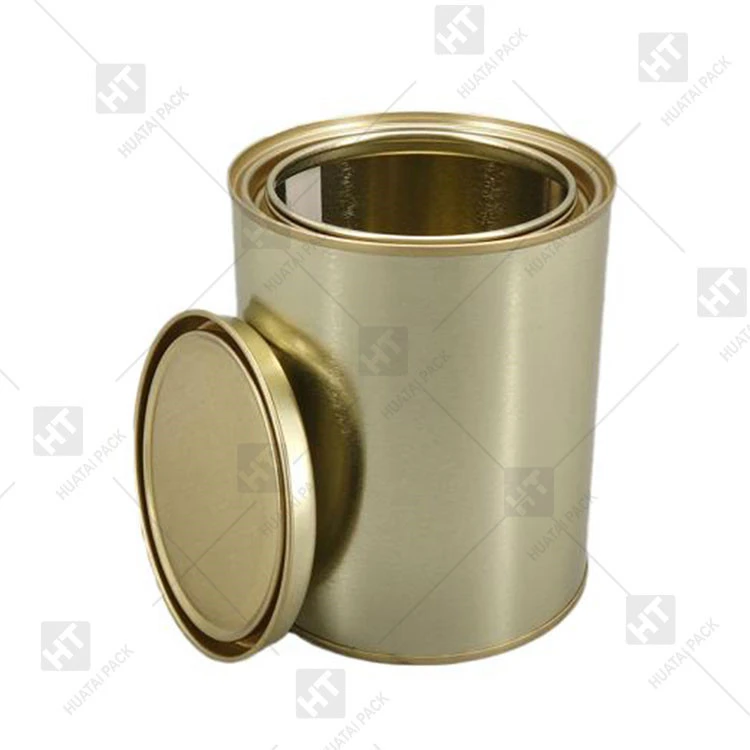
Steel is a widely used material for paint cans. It's strong, durable, and can withstand the pressure and weight of the paint inside. Steel cans are also resistant to corrosion, which is important because paint can be acidic or alkaline, and over time, it can eat away at the container if it's not properly protected.
One of the great things about steel paint cans is that they can be recycled. Recycling steel helps to conserve natural resources and reduce the environmental impact of manufacturing new cans. Plus, recycled steel is just as strong and reliable as new steel, so you're not sacrificing quality when you choose a recycled can.
If you're looking for a classic, reliable paint can, you might want to check out our Round Metal Can. These cans are made from high-quality steel and are available in a variety of sizes to suit your needs.
Aluminum
Aluminum is another popular choice for paint cans. It's lightweight, which makes it easy to transport and handle. Aluminum cans are also resistant to corrosion, and they have a shiny, attractive appearance that can make your paint products stand out on the shelf.
One of the advantages of aluminum paint cans is that they are easy to recycle. Aluminum is one of the most recycled materials in the world, and recycling aluminum requires much less energy than producing new aluminum from raw materials. This makes aluminum paint cans a more sustainable choice for environmentally conscious consumers.
We offer a range of Pint Paint Can made from aluminum. These cans are perfect for small batches of paint or for samples, and they come with a tight-fitting lid to keep the paint fresh.
Plastic
While metal is the most common material for paint cans, plastic is also used in some cases. Plastic paint cans have a few advantages over metal cans. They are lightweight, which makes them easy to carry and store. Plastic cans are also shatterproof, which means they won't break if they are dropped or knocked over.
One of the drawbacks of plastic paint cans is that they are not as strong as metal cans. They can be more easily punctured or dented, which can lead to leaks. Plastic cans are also not as resistant to high temperatures as metal cans, so they may not be suitable for storing paint in hot environments.
However, if you're looking for a lightweight, shatterproof option, we have some 1 Liter Round Tin Cans that are made from a high-quality plastic. These cans are designed to be durable and leak-proof, and they are a great choice for certain types of paint products.
Glass
Glass is a less common material for paint cans, but it does have some unique properties. Glass is completely inert, which means it won't react with the paint inside. This makes it a good choice for storing paints that are sensitive to chemical reactions.
Glass paint cans also have a very attractive appearance. They are clear, which allows you to see the color and consistency of the paint inside. Glass cans are also easy to clean and can be reused multiple times.
However, glass is heavy and fragile, which makes it more difficult to transport and handle. It is also more expensive than metal or plastic, so it is not as commonly used for mass-produced paint products.

Other Considerations
When choosing the material for your paint cans, there are a few other factors to consider besides the material itself. For example, you need to think about the size and shape of the can. The size of the can will depend on the amount of paint you need to store, while the shape can affect how easy it is to pour the paint and how well it fits on the shelf.
You also need to consider the type of paint you are using. Some paints are more corrosive or reactive than others, so you need to choose a can that is compatible with the paint. For example, if you are using a high-acid paint, you may need a can that has a special coating to protect it from corrosion.
Another important consideration is the cost. Metal cans are generally more expensive than plastic cans, but they are also more durable and can be recycled. Plastic cans are cheaper, but they may not be as long-lasting. You need to find a balance between cost and quality that works for your business.
Why Choose Us?
As a paint can supplier, we understand the importance of providing high-quality products at a competitive price. We offer a wide range of paint cans made from different materials, so you can choose the one that best suits your needs.
Our cans are manufactured using the latest technology and strict quality control measures to ensure that they are strong, durable, and leak-proof. We also offer custom printing and labeling services, so you can add your brand logo and information to the cans.
If you're interested in learning more about our paint cans or would like to place an order, please don't hesitate to contact us. We're always happy to help and look forward to working with you!
References
- "Materials for Packaging." Packaging Machinery Manufacturers Institute.
- "Recycling Metals: A Guide to Sustainable Packaging." Environmental Protection Agency.
- "Plastic Packaging: Advantages and Disadvantages." Plastic Industry Association.