

What is the impact resistance of an adhesive - can - bonded PVC joint?
Nov 17, 2025
Hey there! As a supplier of PVC and adhesive cans, I've been getting a lot of questions lately about the impact resistance of an adhesive - can - bonded PVC joint. So, I thought I'd dive into this topic and share some insights with you all.
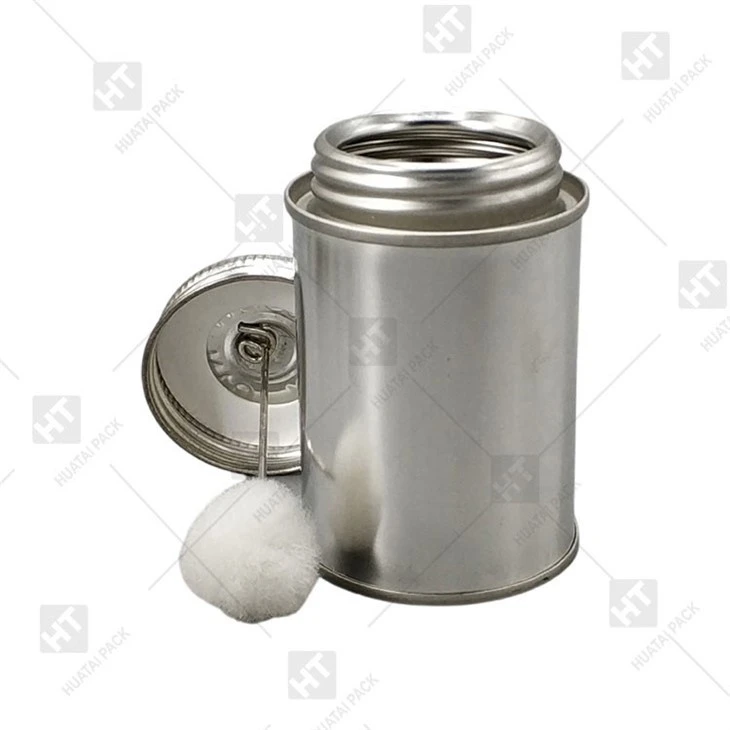
First off, let's talk about what impact resistance actually means. In simple terms, it's the ability of a material or a joint to withstand sudden forces or impacts without breaking or failing. When it comes to PVC joints bonded with adhesive from our 4oz Pvc Can With Cap, this is super important. PVC is a widely used material in various industries, from construction to plumbing, and the joints need to be strong enough to handle the real - world stresses they'll face.
One of the key factors that affect the impact resistance of an adhesive - can - bonded PVC joint is the quality of the adhesive. We offer a range of high - quality adhesives in our Pvc Can and 4oz Glue Can. These adhesives are formulated to create a strong bond between PVC surfaces. They penetrate the PVC at a molecular level, creating a connection that can resist a fair amount of impact.
The type of PVC also plays a role. There are different grades of PVC, and some are more impact - resistant than others. For instance, high - impact PVC is designed to handle greater forces. When you use our adhesive to bond high - impact PVC, you're likely to get a joint that can withstand even more stress.
The application process is another crucial aspect. If the adhesive isn't applied correctly, the joint's impact resistance can be significantly reduced. You need to make sure the PVC surfaces are clean and dry before applying the adhesive. Any dirt, grease, or moisture can prevent the adhesive from forming a proper bond. Also, applying the right amount of adhesive is key. Too little, and the bond won't be strong enough; too much, and it might not dry properly.
Now, let's look at some real - world scenarios. In a construction project, PVC pipes are often used for drainage systems. These pipes need to be able to handle the impact of falling debris or the pressure from water flow. A well - bonded PVC joint using our adhesive can ensure that the pipes stay intact and functional. In plumbing, joints in PVC pipes need to withstand the force of water surges. Our adhesive - bonded joints can resist these sudden impacts, reducing the risk of leaks and pipe failures.
In the automotive industry, PVC components are used in various parts of the vehicle. Adhesive - bonded PVC joints in these components need to withstand vibrations and impacts from the road. Our adhesives can provide the necessary strength to keep these joints in place, even under tough conditions.
But how do we test the impact resistance of our adhesive - can - bonded PVC joints? We use a variety of methods. One common test is the Charpy impact test. In this test, a notched PVC specimen with a bonded joint is struck by a pendulum. The energy absorbed by the specimen during the impact is measured. A higher energy absorption indicates better impact resistance.
We also conduct drop tests. We take PVC pipes or components with bonded joints and drop them from different heights onto a hard surface. By observing whether the joints break or show signs of damage, we can assess their impact resistance.

Another factor to consider is the environmental conditions. Temperature, humidity, and exposure to chemicals can all affect the impact resistance of an adhesive - can - bonded PVC joint. Our adhesives are designed to perform well in a wide range of environmental conditions. They can resist the effects of heat, cold, and moisture, ensuring that the joints remain strong over time.
For example, in a hot and humid environment, some adhesives might lose their strength. But our products are formulated to maintain their bond even in these challenging conditions. This means that whether you're using our PVC and adhesive cans in a tropical climate or a cold storage facility, you can trust that the joints will hold up.
In addition to the impact resistance, our adhesives also offer other benefits. They have good chemical resistance, which means they can withstand exposure to various chemicals without deteriorating. This is important in industries where PVC components come into contact with chemicals, such as in chemical processing plants.
They also have a relatively fast curing time. This means that you can get your projects up and running quickly. Once the adhesive is applied, it doesn't take long for the joint to reach its full strength, reducing downtime and increasing productivity.
So, if you're in the market for PVC and adhesive cans, you might be wondering why you should choose our products. Well, our commitment to quality is second to none. We've spent years researching and developing our adhesives to ensure they offer the best possible performance. Our PVC products are also of the highest grade, ensuring that you get a reliable and long - lasting solution.
Whether you're a small - scale DIY enthusiast or a large - scale industrial manufacturer, our products are suitable for your needs. We offer different sizes of 4oz Pvc Can With Cap, Pvc Can, and 4oz Glue Can to meet your specific requirements.
If you're interested in learning more about our products or have any questions about the impact resistance of our adhesive - can - bonded PVC joints, don't hesitate to reach out. We're here to help you make the right choice for your projects. Whether it's for a simple home repair or a complex industrial application, we've got the solutions you need.
In conclusion, the impact resistance of an adhesive - can - bonded PVC joint is influenced by many factors, including the quality of the adhesive, the type of PVC, the application process, and the environmental conditions. Our PVC and adhesive cans are designed to provide a strong, reliable bond that can withstand a variety of impacts. So, if you're looking for high - quality PVC and adhesives, give us a chance. We're confident that you'll be satisfied with our products.
If you're interested in purchasing our products or want to have a detailed discussion about your specific needs, please feel free to contact us. We're eager to start a conversation and help you find the best solutions for your projects.
References
- ASTM International. (20XX). Standard test methods for impact resistance of plastics and electrical insulating materials.
- Plastics Industry Association. (20XX). Technical guide to PVC materials and applications.