

What is the impact of f style can on language evolution?
Jul 09, 2025
The concept of "f style can" may seem quite niche at first glance, but its influence on language evolution is a topic that delves into the intersection of industry, culture, and communication. As a supplier of f style cans, I've witnessed firsthand how these seemingly ordinary containers can have a far - reaching impact on the way we communicate and how language itself evolves.
The Emergence of "F Style Can" in Language
In the business world, specific terminologies are crucial for clear communication. The term "f style can" has emerged as a specialized vocabulary within the packaging industry. When I first entered the market as a supplier, I noticed that there was a growing need to distinguish different types of cans. The "f style" became a unique identifier for a particular design or shape of cans. This new term quickly spread among industry professionals, including manufacturers, distributors, and buyers.
In industry meetings and trade shows, phrases like "We are interested in your f style can" or "The f style can has better stacking capabilities" started to become common. As these conversations took place, the term was gradually integrated into the industry jargon. It's similar to how new technological terms enter our daily language. For example, terms like "smartphone" and "cloud computing" were once unfamiliar, but now they are part of our everyday vocabulary. The "f style can" is following a similar path within the packaging sector.
Impact on Specialized Language
The introduction of the "f style can" has also led to the development of more specialized language. As the demand for these cans increased, different features and specifications needed to be described accurately. This gave rise to new words and phrases. For instance, terms like "f style can dimensions," "f style can material thickness," and "f style can coating quality" have become important in technical discussions.
These specialized terms are not only used in internal company communications but also in marketing materials. When promoting our F - Type Metal Can, we need to use precise language to highlight its unique selling points. This not only helps customers understand the product better but also standardizes the way we talk about f style cans in the market. It's like a form of language standardization within a particular industry. Just as scientific fields have their own set of standardized terms, the packaging industry is doing the same with f style cans.
Influence on Cross - Industry Communication
The impact of the "f style can" extends beyond the packaging industry. For example, in the food and beverage industry, which is a major consumer of cans, the term has started to make its way into their conversations. When food producers are looking for suitable packaging solutions, they may ask about the availability of f style cans. This cross - industry communication is crucial as it allows for a more seamless exchange of ideas and products.
Moreover, in the logistics and transportation industry, the f style can has also influenced the language used. Logistics providers need to discuss the storage and shipping requirements of these cans. Phrases like "f style can palletization" and "f style can shipping volume" are now part of their vocabulary. This cross - pollination of language between different industries is a sign of how interconnected our modern economy is. It shows that a single product can have a ripple effect on multiple sectors in terms of language usage.
Cultural and Regional Variations in Language
The concept of the "f style can" may also lead to cultural and regional variations in language. In different parts of the world, the way people refer to these cans may vary slightly. For example, in some regions, the "f style" may be translated into the local language, and the pronunciation and usage of the term may change accordingly.
In addition, cultural factors can also influence the way the term is used. In some cultures, there may be a greater emphasis on the aesthetics of the can, so the language used to describe the f style can may focus more on its visual appeal. In other cultures, functionality may be the key concern, and the language will reflect that. These cultural and regional variations add richness to the language surrounding f style cans and show how language is constantly adapting to different contexts.
Language Evolution in Marketing and Advertising
As a supplier of f style cans, I've seen how marketing and advertising play a significant role in language evolution. In order to stand out in a competitive market, we need to use creative and persuasive language to promote our Metal Can For Oil and other f style can products.
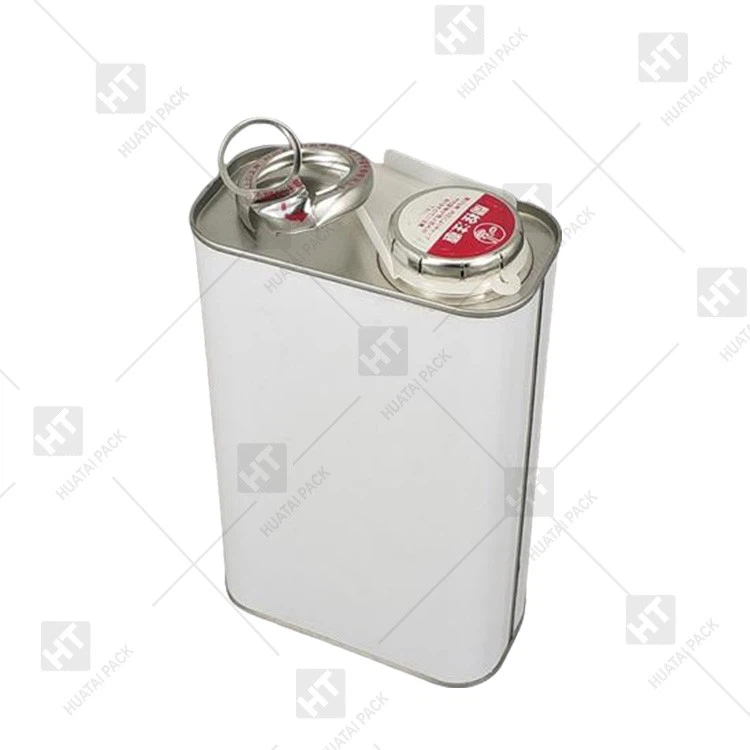
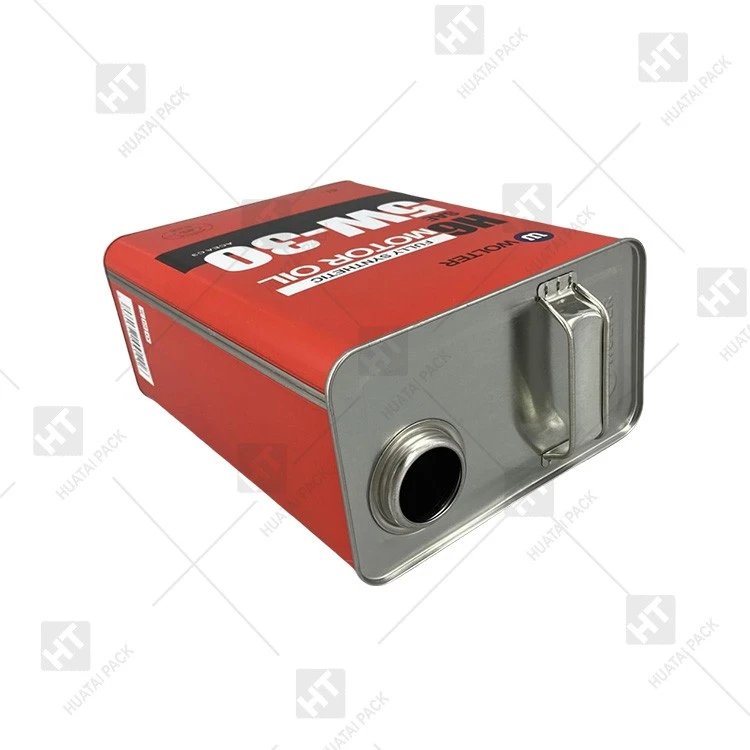
We often use catchy slogans and descriptive phrases to attract customers. For example, "Our f style can: the perfect blend of style and functionality" or "The f style can that revolutionizes your packaging needs." These marketing messages not only promote the product but also contribute to the popularization of the term. They help to create a positive image of the f style can in the minds of consumers and make the term more memorable.
Social Media and the Spread of Language
Social media has also had a profound impact on the spread of the "f style can" in language. Platforms like Instagram, Twitter, and LinkedIn provide a space for industry professionals and consumers to share information about these cans. Hashtags such as #fstylecan, #fstylecaninnovation, and #fstylecanpackaging have started to appear on social media posts.
These hashtags make it easier for people to find relevant content and join discussions. As more and more people use these hashtags, the term "f style can" becomes more widely recognized. It's a form of digital word - of - mouth marketing that accelerates the spread of the term and contributes to its integration into the broader language landscape.
The Future of Language and F Style Can
Looking ahead, the "f style can" is likely to continue to shape language evolution. As new technologies are developed and the design of f style cans evolves, new terms will be created to describe these changes. For example, if there are advancements in sustainable materials for f style cans, terms related to eco - friendly features will become more prominent.
In addition, as the global market for f style cans expands, the language used to describe them will become more standardized on a global scale. This will make communication between different countries and industries even more efficient.
Conclusion
In conclusion, the "f style can" has had a significant impact on language evolution. From the emergence of a new term in the packaging industry to its influence on specialized language, cross - industry communication, cultural variations, marketing, and social media, it has become an important part of our language landscape. As a supplier of f style cans, I'm excited to be part of this process and see how the language surrounding these cans will continue to develop.
If you are interested in our f style can products, including F Style Paint Tin Can, Metal Can For Oil, and F - Type Metal Can, we welcome you to reach out for procurement discussions. Let's work together to meet your packaging needs.
References
- Crystal, David. "Language and the Internet." Cambridge University Press, 2001.
- Lyons, John. "Semantics." Cambridge University Press, 1977.
- Saussure, Ferdinand de. "Course in General Linguistics." McGraw - Hill, 1959.