

What is the history of paint cans?
Jul 23, 2026
Hey there! As a paint can supplier, I've always been super fascinated by the history of these humble containers. You might not think much about paint cans, but they've got a pretty cool backstory that's intertwined with the evolution of the paint industry. So, let's take a little journey through time and explore the history of paint cans.
Early Beginnings
Back in the day, paint was stored and transported in all sorts of containers. Before the invention of the modern paint can, people used things like animal skins, clay pots, and wooden barrels to hold their paint. These containers were far from perfect. Animal skins were prone to leakage, clay pots could break easily, and wooden barrels were heavy and not very airtight.
It wasn't until the 19th century that things started to change. In 1819, a man named D.E. Smith patented a tinplate can with a screw-on lid. This was a game-changer for the paint industry. Tinplate was a durable and relatively inexpensive material, and the screw-on lid provided a better seal than previous container designs. However, these early cans were still quite primitive compared to what we have today.

The Rise of the Modern Paint Can
The real breakthrough in paint can design came in the late 19th and early 20th centuries. In 1892, the American Can Company introduced the first modern paint can. This can was made of tinplate and had a tight-fitting lid that could be opened with a can opener. It was a significant improvement over previous designs, as it was more airtight and less likely to leak.
Over the next few decades, paint can designs continued to evolve. Manufacturers started to add features like handles and pour spouts to make the cans more convenient to use. They also began to experiment with different shapes and sizes to meet the needs of different customers.
World War II and the Paint Can Industry
World War II had a major impact on the paint can industry. During the war, there was a high demand for paint to protect military equipment and vehicles. This led to an increase in the production of paint cans. Manufacturers had to find ways to produce cans more efficiently and at a lower cost.
One of the key developments during this period was the introduction of the two-piece can. This can was made of a single piece of metal that was formed into a cylinder and then sealed with a separate lid. The two-piece can was lighter and more cost-effective to produce than the traditional three-piece can.
Post-War Innovations
After the war, the paint can industry continued to grow and innovate. In the 1950s and 1960s, manufacturers started to use plastic coatings on the inside of paint cans to prevent corrosion. This made the cans more durable and extended their shelf life.
In the 1970s, the introduction of aerosol paint cans revolutionized the paint industry. Aerosol cans made it easier and more convenient to apply paint, and they quickly became popular with consumers.
The Modern Paint Can
Today, paint cans come in a wide variety of shapes, sizes, and materials. You can find paint cans made of metal, plastic, and even cardboard. Each type of can has its own advantages and disadvantages, depending on the application.
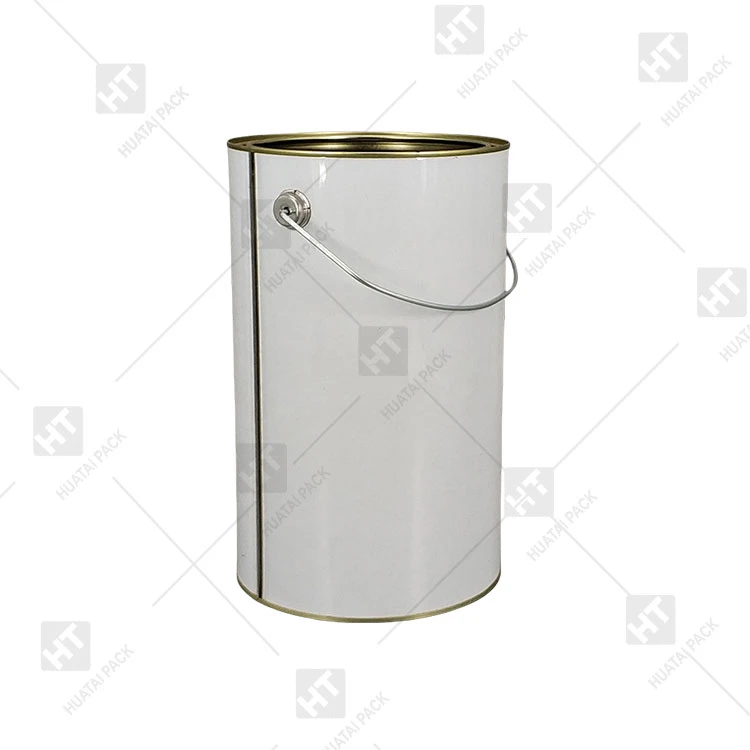
As a paint can supplier, I offer a range of high-quality paint cans to meet the needs of my customers. For example, I have the 5L Metal Coating Can, which is perfect for storing and transporting large quantities of paint. I also have the Clsoed Metal Drun, which is a great option for industrial applications. And if you're looking for a smaller can, I offer the Quart Tin Can.
The Future of Paint Cans
The future of paint cans looks bright. With the increasing focus on sustainability, manufacturers are starting to develop more environmentally friendly paint cans. For example, some companies are using recycled materials to make their cans, and others are developing cans that are easier to recycle.
In addition, technology is also playing a role in the future of paint cans. For example, some companies are developing smart paint cans that can monitor the level of paint inside the can and send alerts when it's time to refill.
Conclusion
So, there you have it - a brief history of paint cans. From the early days of animal skins and clay pots to the modern, high-tech cans of today, paint cans have come a long way. As a paint can supplier, I'm proud to be a part of this industry and to offer my customers high-quality, innovative paint cans.
If you're in the market for paint cans, I'd love to hear from you. Whether you're a professional painter, a DIY enthusiast, or an industrial customer, I have the perfect paint can for your needs. So, don't hesitate to reach out and start a conversation. Let's work together to find the right paint cans for your next project.