

What is the effect of humidity on industrial oil cans?
Jul 02, 2025
Hey there! As an industrial oil cans supplier, I've seen firsthand how humidity can mess with these containers big time. In this blog, I'm gonna break down what humidity does to industrial oil cans and why it's super important for us to pay attention.
Let's start with the basics. Humidity is basically the amount of water vapor in the air. You know how on a really muggy day, you feel all sticky and uncomfortable? That's high humidity at work. And it doesn't just affect us humans; it can have some serious consequences for industrial oil cans too.

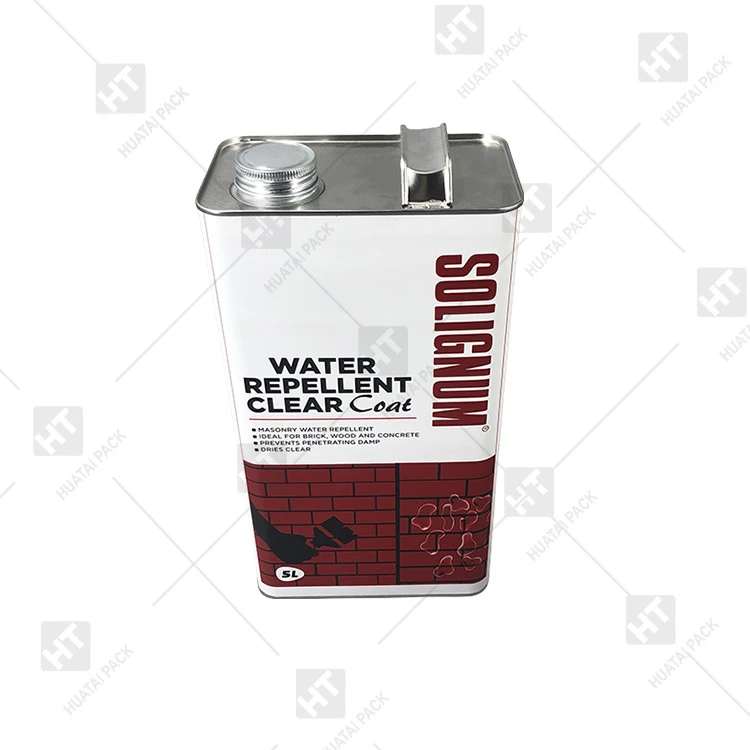
One of the most obvious effects of humidity on oil cans is corrosion. Metal oil cans, like the ones we offer Metal Oil Can Container, are particularly vulnerable. When the air is humid, the water vapor in it can condense on the surface of the can. This creates a thin layer of water, which acts as an electrolyte. If there are any tiny scratches or imperfections in the can's coating, the metal underneath can start to react with the water and oxygen in the air. This chemical reaction leads to the formation of rust.
Rust is a huge problem for oil cans. It weakens the structural integrity of the can, making it more likely to leak. And when an oil can leaks, it's not just a mess; it can also be a safety hazard. Oil spills can cause slips and falls, and they can also contaminate the environment. Plus, if the oil inside the can gets contaminated with rust particles, it can damage the equipment that the oil is supposed to lubricate.
Another issue caused by humidity is the growth of mold and mildew. Oil cans, especially those stored in damp or poorly ventilated areas, can become a breeding ground for these fungi. Mold and mildew thrive in moist environments, and they can grow on the outside of the can as well as inside. If mold gets into the oil, it can change the chemical properties of the oil and reduce its effectiveness. It can also cause blockages in the equipment's lubrication system.
Humidity can also affect the viscosity of the oil inside the can. When the air is humid, the water vapor can be absorbed by the oil. This can change the oil's molecular structure, making it thicker or thinner depending on the type of oil. For example, some oils may become more viscous when they absorb water, which can make it difficult for the oil to flow properly through the equipment. On the other hand, other oils may become thinner, reducing their lubricating properties.
Now, let's talk about how humidity affects different types of oil cans. We offer a variety of oil cans, including 1L Engine Oil Can and Rectangular Container For Engine Oil. Smaller cans, like the 1L engine oil cans, are more likely to be affected by humidity because they have a larger surface area to volume ratio. This means that there's more surface area for the water vapor to condense on.
Rectangular containers, on the other hand, may be more prone to moisture accumulation in the corners and edges. These areas can trap moisture, creating a perfect environment for rust and mold growth. It's important to store these containers properly to minimize the risk of humidity-related damage.
So, what can we do to protect industrial oil cans from humidity? First of all, proper storage is key. Oil cans should be stored in a dry, well-ventilated area. If possible, use a dehumidifier to control the humidity levels in the storage space. A humidity level of around 30-50% is ideal for storing oil cans.
It's also a good idea to inspect the oil cans regularly for signs of rust, mold, or other damage. If you notice any issues, take action immediately. For example, if you see a small amount of rust on the can, you can try to remove it with a wire brush and then apply a rust-resistant coating.
When it comes to choosing oil cans, look for ones that are made from high-quality materials and have a good protective coating. Our metal oil cans are designed to resist corrosion, but it's still important to take precautions.
In addition to storage and inspection, proper handling of oil cans is also important. When transporting oil cans, make sure they are sealed tightly to prevent moisture from getting in. And when using the oil, be careful not to introduce any water or contaminants into the can.
As an industrial oil cans supplier, I understand the importance of providing high-quality products that can withstand the challenges of humidity. That's why we take every step possible to ensure that our oil cans are durable and reliable.
If you're in the market for industrial oil cans, I encourage you to get in touch with us. We have a wide range of options to choose from, and we can help you find the right oil cans for your needs. Whether you're looking for a small 1L engine oil can or a large rectangular container for engine oil, we've got you covered.
Don't let humidity ruin your oil cans and your business. Take action now to protect your investment and ensure the smooth operation of your equipment. Contact us today to start the conversation and find out how we can help you with your industrial oil can needs.
References
- Corrosion of Metals: Principles, Prevention, and Control by Marcel Pourbaix
- Handbook of Lubrication and Tribology: Volume I: Applications and Science by Bhushan Bharat