

What is the difference between extra - virgin and regular olive oil in a 3l can?
Dec 01, 2025
Olive oil is a staple in many kitchens around the world, prized for its health benefits, rich flavor, and versatility in cooking. When it comes to purchasing olive oil, consumers often encounter two main types: extra-virgin and regular olive oil. As a supplier of 3L olive oil cans, I'm here to shed light on the differences between these two types of olive oil and help you make an informed decision for your culinary needs.
Production Process
The production process is one of the key factors that distinguish extra-virgin olive oil from regular olive oil. Extra-virgin olive oil is made from the first cold pressing of olives, using only mechanical means without the use of heat or chemicals. This gentle extraction method helps to preserve the natural flavor, aroma, and nutrients of the olives. The olives are crushed into a paste, and the oil is separated from the solids and water through centrifugation. The resulting oil must meet strict quality standards to be labeled as extra-virgin, including a low acidity level (less than 0.8%) and a high content of antioxidants and polyphenols.
On the other hand, regular olive oil is a blend of refined olive oil and virgin olive oil. Refined olive oil is obtained from virgin olive oil that has been treated with heat, chemicals, or both to remove impurities and improve its stability and shelf life. This process can also remove some of the natural flavor and nutrients of the oil. The refined oil is then blended with a small amount of virgin olive oil to add back some of the flavor and aroma. Regular olive oil typically has a higher acidity level (up to 1.5%) and a lower content of antioxidants and polyphenols compared to extra-virgin olive oil.
Flavor and Aroma
Extra-virgin olive oil is known for its rich, complex flavor and aroma, which can vary depending on the type of olives used, the region where they are grown, and the production methods. It often has a fruity, grassy, or peppery taste, with notes of green apple, artichoke, or almond. The aroma can be floral, herbal, or spicy, adding depth and complexity to dishes. Extra-virgin olive oil is best used raw or lightly cooked, such as in salad dressings, dips, or drizzled over finished dishes to enhance their flavor.
Regular olive oil, on the other hand, has a milder, more neutral flavor and aroma. It is less fruity and more refined, making it suitable for a wider range of cooking applications. Regular olive oil can be used for sautéing, frying, baking, or roasting, as it has a higher smoke point (around 375°F or 190°C) compared to extra-virgin olive oil (around 320°F or 160°C). This means that it can withstand higher temperatures without breaking down and producing harmful compounds.
Nutritional Value
Both extra-virgin and regular olive oil are rich in monounsaturated fats, which are considered to be heart-healthy fats that can help to lower cholesterol levels and reduce the risk of heart disease. However, extra-virgin olive oil is a better source of antioxidants and polyphenols, which are plant compounds that have been shown to have anti-inflammatory, antioxidant, and anti-cancer properties. These compounds can help to protect the body against oxidative stress, reduce inflammation, and improve overall health.
Extra-virgin olive oil also contains higher levels of vitamins E and K, which are important for maintaining healthy skin, hair, and bones, as well as for blood clotting and immune function. Regular olive oil, on the other hand, may have lower levels of these nutrients due to the refining process.
Price and Availability
Extra-virgin olive oil is generally more expensive than regular olive oil due to its higher quality, more labor-intensive production process, and limited availability. The price can also vary depending on the brand, the region where the olives are grown, and the production methods. Extra-virgin olive oil is often sold in smaller bottles or cans, as it has a shorter shelf life and is best consumed within a few months of opening.
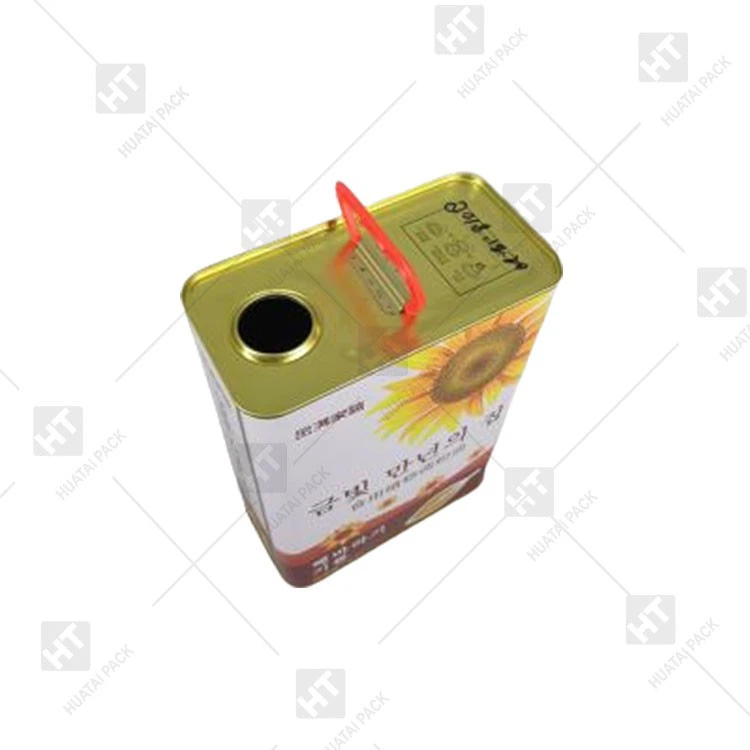
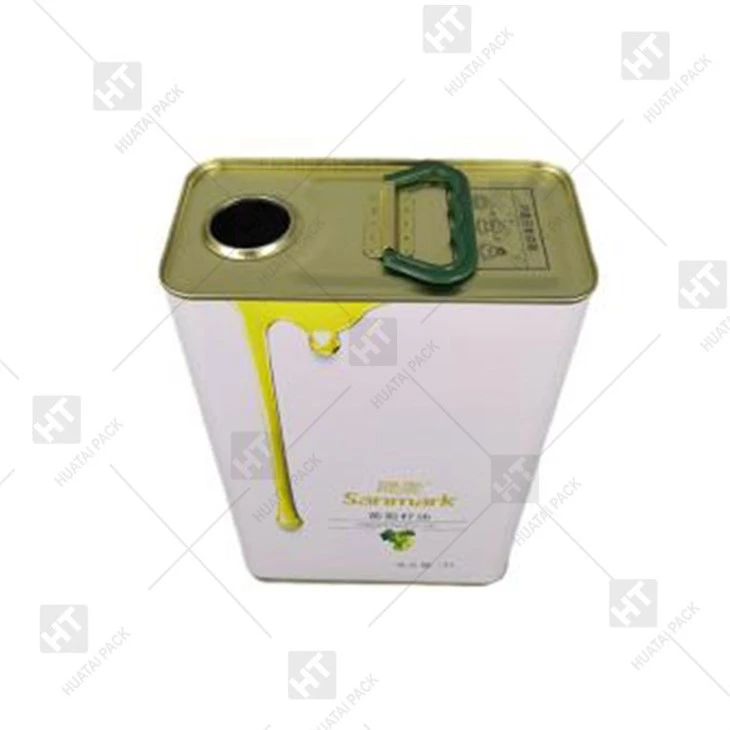
Regular olive oil, on the other hand, is more widely available and less expensive. It is often sold in larger containers, such as 3L cans, which are more convenient for households or commercial kitchens. Regular olive oil has a longer shelf life and can be stored for up to a year or more without losing its quality.
Choosing the Right Olive Oil for Your Needs
When choosing between extra-virgin and regular olive oil, it's important to consider your culinary needs, preferences, and budget. If you're looking for a high-quality, flavorful oil that is best used raw or lightly cooked, then extra-virgin olive oil is the way to go. It's perfect for adding a finishing touch to salads, soups, pasta dishes, or grilled vegetables, or for making homemade mayonnaise or aioli.
On the other hand, if you're looking for a more versatile oil that can be used for a wider range of cooking applications, then regular olive oil is a better choice. It's suitable for sautéing, frying, baking, or roasting, and can withstand higher temperatures without breaking down. Regular olive oil is also a good option if you're on a budget or if you use a lot of oil in your cooking.
As a supplier of 3L Olive Oil Can, we offer a range of high-quality extra-virgin and regular olive oils in convenient 3L cans. Our oils are sourced from the finest olives grown in the Mediterranean region and are produced using traditional methods to ensure the highest quality and flavor. Whether you're a home cook or a professional chef, we have the perfect olive oil for your needs.
In addition to our 3L olive oil cans, we also offer Empty Metal Oilve Oil Can and 3L USA Empty Olive Oil Tin Can for those who want to refill their own oil or customize their packaging. Our cans are made from high-quality metal and are designed to protect the oil from light, air, and moisture, ensuring its freshness and quality.
If you're interested in purchasing our olive oil or empty cans, please don't hesitate to contact us for more information or to discuss your specific needs. We're always happy to help and look forward to working with you.
References
- International Olive Council. (n.d.). Olive oil quality standards. Retrieved from https://www.internationaloliveoil.org/estaticos/view/f/367-olive-oil-quality-standards.html
- Harvard T.H. Chan School of Public Health. (n.d.). Olive oil. Retrieved from https://www.hsph.harvard.edu/nutritionsource/olive-oil/
- Mayo Clinic. (n.d.). Olive oil: An excellent source of healthy fat. Retrieved from https://www.mayoclinic.org/healthy-lifestyle/nutrition-and-healthy-eating/in-depth/olive-oil/art-20048449