

What is the difference between a 1l and a 4l square tin can?
Sep 30, 2025
When it comes to square tin cans, the choice between a 1L and a 4L option can significantly impact various aspects of your business, whether you're in the food, beverage, paint, or oil industry. As a trusted supplier of both 1L and 4L square tin cans, I've witnessed firsthand the different needs and preferences of our clients. In this blog post, I'll delve into the key differences between these two sizes, exploring their capacity, design, usage, and more.
Capacity and Volume
The most obvious difference between a 1L and a 4L square tin can is their capacity. A 1L can, as the name suggests, has a volume of 1 liter, while a 4L can holds four times that amount. This difference in capacity has several implications for both producers and consumers.
For producers, the choice of can size depends on the nature of the product and the target market. Smaller 1L cans are ideal for products that are consumed in smaller quantities or for trial-sized offerings. They are also more suitable for products with a higher price point per unit volume, as the smaller size can make them more affordable for consumers. On the other hand, 4L cans are better suited for bulk products or items that are used in larger quantities, such as engine oil or paint. They offer a cost-effective solution for consumers who need to purchase a larger volume of the product.
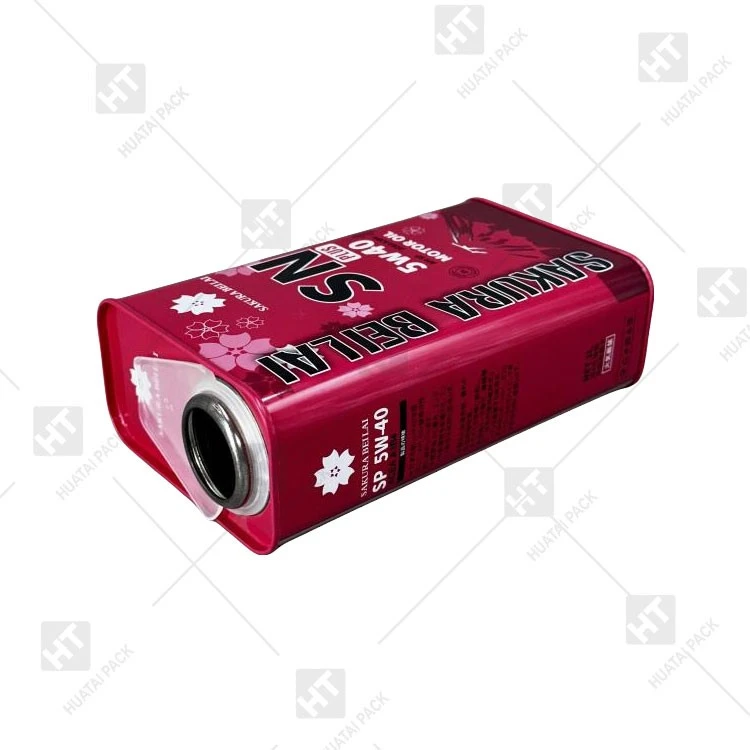
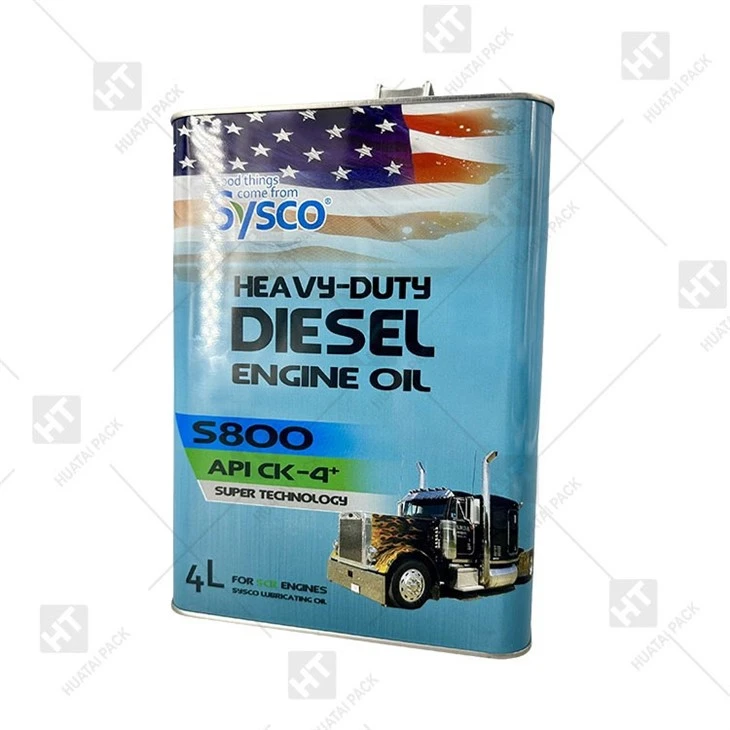
From a consumer perspective, the choice between a 1L and a 4L can depends on their usage requirements. For example, a homeowner who needs to paint a small room may prefer a 1L can of paint, while a professional painter may opt for a 4L can to complete a larger project. Similarly, a car owner who only needs to top up their engine oil may choose a 1L can, while a mechanic who services multiple vehicles may prefer a 4L can.
Design and Dimensions
In addition to capacity, the design and dimensions of 1L and 4L square tin cans also differ. While both are square in shape, the 4L can is generally larger in size to accommodate its greater volume. This can have implications for storage, transportation, and display.
The larger size of the 4L can may require more storage space, both at the production facility and in the retail environment. It may also be more challenging to transport, as it is heavier and takes up more space on trucks or shelves. However, the larger size can also be an advantage in terms of display, as it can attract more attention on the store shelf and make the product more visible to consumers.
On the other hand, the smaller size of the 1L can makes it more convenient for storage and transportation. It can be easily stacked or stored in a smaller space, and it is lighter and easier to handle. The smaller size also makes it more suitable for display in smaller retail spaces or for promotional displays.
Usage and Application
The usage and application of 1L and 4L square tin cans also vary depending on the product they contain. Different industries have different requirements for can size, and the choice between a 1L and a 4L can can have a significant impact on the product's performance and usability.
In the food and beverage industry, 1L cans are commonly used for products such as soups, sauces, and beverages. The smaller size makes them convenient for individual servings or for households with smaller consumption needs. 4L cans, on the other hand, are often used for bulk products such as cooking oil or canned fruits and vegetables. They are suitable for commercial kitchens or for consumers who need to purchase a larger quantity of the product.
In the paint industry, 1L cans are popular for small painting projects or for touch-ups. They are easy to handle and can be stored easily without taking up too much space. 4L cans, on the other hand, are commonly used for larger painting projects, such as painting a room or a house. They offer a sufficient quantity of paint to complete the job without the need for multiple cans.
In the automotive industry, 1L cans are often used for engine oil top-ups or for small engines, such as those in motorcycles or lawnmowers. 4L cans, on the other hand, are the standard size for engine oil changes in most cars and trucks. They provide enough oil to meet the requirements of the engine and are designed to be compatible with the vehicle's oil filter.
Cost and Pricing
Another important factor to consider when choosing between a 1L and a 4L square tin can is the cost and pricing. The cost of the can itself, as well as the cost of filling and labeling, can vary depending on the size and quantity of the cans.
Generally, 4L cans are more cost-effective per liter than 1L cans. This is because the cost of manufacturing and filling a larger can is spread over a greater volume of product, resulting in a lower cost per unit. However, the initial investment in 4L cans may be higher, as they require more materials and are more expensive to produce.
For consumers, the pricing of products in 1L and 4L cans can also vary. In some cases, the 4L can may be priced at a lower per-liter rate, making it a more economical choice for those who need a larger quantity of the product. However, in other cases, the 1L can may be priced more competitively, especially for products that are sold in smaller quantities or for trial-sized offerings.
Environmental Impact
In today's environmentally conscious world, the environmental impact of packaging is an important consideration for both producers and consumers. When it comes to square tin cans, both 1L and 4L options have their own environmental advantages and disadvantages.
Tin cans are highly recyclable, which is a significant environmental benefit. Both 1L and 4L square tin cans can be recycled and reused to make new cans or other metal products. This helps to reduce the demand for virgin materials and minimize waste.
However, the larger size of the 4L can may require more energy and resources to produce and transport, which can have a greater environmental impact. On the other hand, the smaller size of the 1L can may result in more packaging waste per unit of product, as more cans are needed to package the same volume of product.
Conclusion
In conclusion, the choice between a 1L and a 4L square tin can depends on a variety of factors, including capacity, design, usage, cost, and environmental impact. As a supplier of both sizes, I understand the unique needs and preferences of our clients, and I'm here to help you make the right choice for your business.
If you're looking for a 4L square tin can for your engine oil or paint products, I recommend checking out our 4L Empty Engine Oil Tin Can and F Style Paint Tin Can options. These cans are designed to meet the highest quality standards and are available in a variety of styles and finishes.
For smaller products or trial-sized offerings, our 1L square tin cans are a great choice. We also offer F Style Printed Metal Tin Can options, which can be customized with your logo or branding to enhance your product's visibility and appeal.
If you have any questions or would like to discuss your specific requirements, please don't hesitate to contact us. We're here to provide you with the best possible solutions and to help you grow your business.
References
- Packaging Machinery Manufacturers Institute. (n.d.). Can Packaging. Retrieved from [Website URL]
- Tinplate Packaging Europe. (n.d.). The Benefits of Tinplate Packaging. Retrieved from [Website URL]
- Environmental Protection Agency. (n.d.). Recycling Basics. Retrieved from [Website URL]