

What is the diameter of a typical tight head pail?
Jul 21, 2025
What is the diameter of a typical tight head pail? As a seasoned supplier of tight head pails, I've encountered this question numerous times from customers across various industries. In this blog post, I'll delve into the details of the diameter of typical tight head pails, exploring different factors that influence it and providing insights to help you make informed decisions for your packaging needs.
Understanding Tight Head Pails
Before we dive into the diameter, let's briefly understand what tight head pails are. Tight head pails are containers with a lid that fits tightly onto the body of the pail, providing a secure seal. They are commonly used for storing and transporting a wide range of products, including chemicals, paints, food products, and lubricants. These pails are available in different materials, such as plastic and metal, each offering unique advantages depending on the application.
Factors Affecting the Diameter of Tight Head Pails
The diameter of a tight head pail is influenced by several factors, including the intended use, capacity, and manufacturing standards. Here are some key considerations:
Intended Use
The intended use of the tight head pail plays a significant role in determining its diameter. For example, pails used for storing and transporting liquids may have a different diameter compared to those used for dry products. Liquids require a larger opening to facilitate easy pouring and filling, while dry products may not require such a large opening. Additionally, pails used in specific industries, such as the food or pharmaceutical industry, may have specific diameter requirements to meet regulatory standards.
Capacity
The capacity of the tight head pail is another important factor that affects its diameter. Generally, larger capacity pails tend to have a larger diameter to accommodate the increased volume. However, the relationship between capacity and diameter is not always linear, as other factors such as the height of the pail and the thickness of the walls also play a role. For example, a tall and narrow pail may have the same capacity as a short and wide pail, but with a different diameter.
Manufacturing Standards
Manufacturing standards and regulations also influence the diameter of tight head pails. Different countries and industries may have specific standards regarding the size and dimensions of packaging containers. These standards ensure the safety and compatibility of the pails with various handling and storage equipment. For example, in the United States, the Department of Transportation (DOT) has specific regulations for packaging hazardous materials, including tight head pails. These regulations specify the minimum and maximum diameter requirements for pails used for different types of hazardous materials.
Typical Diameters of Tight Head Pails
Now that we've discussed the factors that affect the diameter of tight head pails, let's take a look at some typical diameters for different types of pails.
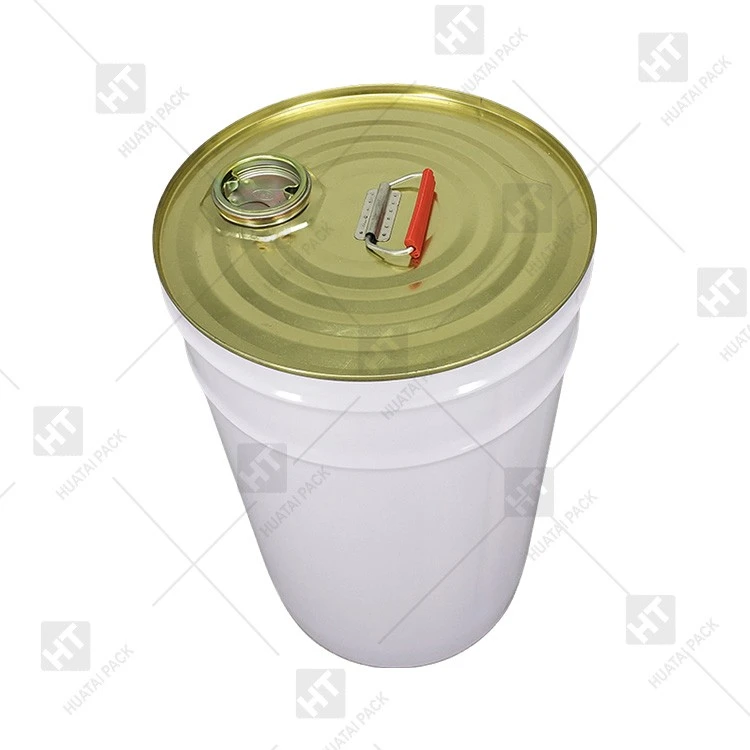

Plastic Tight Head Pails
Plastic tight head pails are widely used due to their lightweight, durability, and cost-effectiveness. They are available in a variety of sizes and capacities, with diameters ranging from a few inches to over a foot. Here are some common diameters for plastic tight head pails:
- Small Pails (1 - 2 gallons): These pails typically have a diameter of around 6 - 8 inches. They are commonly used for storing and transporting small quantities of products, such as samples, additives, or household chemicals.
- Medium Pails (3 - 5 gallons): Medium-sized pails usually have a diameter of 10 - 12 inches. They are suitable for a wide range of applications, including storing and transporting paints, coatings, adhesives, and food products.
- Large Pails (5 - 10 gallons): Large pails with a capacity of 5 - 10 gallons typically have a diameter of 12 - 14 inches. They are commonly used for storing and transporting bulk quantities of products, such as industrial chemicals, lubricants, and agricultural products.
Metal Tight Head Pails
Metal tight head pails, such as Closed Metal Pail, are known for their strength, durability, and resistance to corrosion. They are commonly used for storing and transporting hazardous materials, such as flammable liquids, corrosive chemicals, and pesticides. Metal pails are available in different sizes and capacities, with diameters ranging from a few inches to over 20 inches. Here are some common diameters for metal tight head pails:
- Small Pails (1 - 2 gallons): Small metal pails typically have a diameter of around 6 - 8 inches. They are commonly used for storing and transporting small quantities of hazardous materials, such as solvents, acids, and bases.
- Medium Pails (3 - 5 gallons): Medium-sized metal pails usually have a diameter of 10 - 12 inches. They are suitable for a wide range of applications, including storing and transporting industrial chemicals, paints, and coatings.
- Large Pails (5 - 10 gallons): Large metal pails with a capacity of 5 - 10 gallons typically have a diameter of 12 - 14 inches. They are commonly used for storing and transporting bulk quantities of hazardous materials, such as fuel, oil, and pesticides.
- Extra-Large Pails (10 - 55 gallons): Extra-large metal pails, also known as 5gallon Metal Pail or drums, have a capacity of 10 - 55 gallons and a diameter of 18 - 22 inches. They are commonly used for storing and transporting large quantities of hazardous materials, such as industrial waste, chemicals, and lubricants.
Choosing the Right Diameter for Your Needs
When choosing the diameter of a tight head pail for your specific needs, it's important to consider the factors discussed above, as well as your budget and any specific requirements or regulations. Here are some tips to help you make the right decision:
- Determine Your Capacity Requirements: Start by determining the volume of the product you need to store or transport. This will help you narrow down the range of pail sizes and capacities that are suitable for your needs.
- Consider the Intended Use: Think about how the pail will be used and what type of product it will contain. This will help you determine the appropriate diameter based on factors such as pouring and filling requirements, compatibility with handling equipment, and regulatory standards.
- Evaluate the Handling and Storage Conditions: Consider the handling and storage conditions of the pail, including the available space, the type of equipment used for handling, and the environmental conditions. This will help you choose a pail with a diameter that is easy to handle and store.
- Compare Different Options: Once you have a clear idea of your requirements, compare different pail options from different suppliers. Look for pails that meet your standards in terms of diameter, capacity, material, and price.
Conclusion
In conclusion, the diameter of a typical tight head pail depends on several factors, including the intended use, capacity, and manufacturing standards. Plastic and metal tight head pails are available in a wide range of sizes and capacities, with diameters ranging from a few inches to over 20 inches. When choosing the diameter of a tight head pail for your specific needs, it's important to consider the factors discussed in this blog post and to compare different options from different suppliers.
If you're in the market for high-quality tight head pails, look no further. As a leading supplier of tight head pails, we offer a wide range of options to meet your packaging needs. Whether you need Closed Metal Pail, 5gallon Metal Pail, or Metal Drum For Engine Oil, we have the perfect solution for you. Contact us today to discuss your requirements and to get a quote. We look forward to working with you!
References
- Packaging Machinery Manufacturers Institute (PMMI). (n.d.). Packaging Machinery Basics: Containers. Retrieved from [Website URL]
- United States Department of Transportation (DOT). (n.d.). Hazardous Materials Regulations. Retrieved from [Website URL]