

What is the coverage rate of a pint paint can per coat?
Oct 01, 2025
Hey there! As a supplier of pint paint cans, I often get asked about the coverage rate of a pint paint can per coat. It's a pretty common question, and for good reason. Knowing how much area a can of paint can cover helps you plan your painting projects better, saves you money, and ensures you don't end up with too much or too little paint. So, let's dive right in and explore this topic.
First off, what exactly is a pint paint can? A pint is a unit of volume measurement. In the US, a pint is equal to 16 fluid ounces, while in the UK, it's 20 fluid ounces. For the sake of this discussion, we'll focus on the US measurement. Our pint paint cans are designed to hold this amount of paint, and they're great for small - scale painting jobs like touch - ups, painting small furniture pieces, or doing detailed work.
Now, the coverage rate of a pint paint can per coat depends on several factors. One of the most important factors is the type of paint. Different paints have different consistencies, pigments, and binders, which all affect how far the paint will spread.
Latex paints, for example, are water - based and tend to have a good coverage rate. They're also easy to clean up with just soap and water. On average, a pint of latex paint can cover about 50 - 75 square feet per coat. This means that if you're painting a small room with a total wall area of around 100 square feet, you might need about two pints of latex paint for one coat.
Oil - based paints, on the other hand, are thicker and often provide a more durable finish. However, they usually have a slightly lower coverage rate compared to latex paints. A pint of oil - based paint might cover around 40 - 60 square feet per coat. The reason for this lower coverage is that oil - based paints are more viscous, and you need to apply a thicker layer to get an even finish.
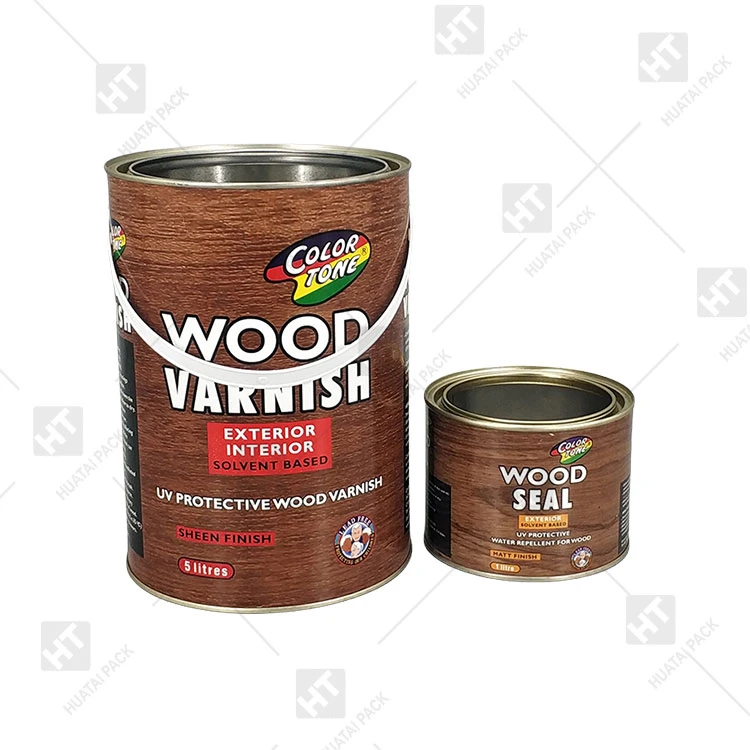

Another factor that affects the coverage rate is the surface you're painting. Smooth surfaces like primed drywall or new wood tend to require less paint. The paint can spread more evenly on these surfaces, so you can get a better coverage rate. For instance, if you're painting a smooth primed drywall, you might be able to get closer to the upper end of the coverage range for your type of paint.
Rough or porous surfaces, such as unpainted brick, textured walls, or old, weathered wood, will soak up more paint. These surfaces have lots of little nooks and crannies where the paint can seep into, so you'll need to apply more paint to cover them properly. As a result, the coverage rate on rough surfaces could be closer to the lower end of the range.
The application method also plays a role. Using a paintbrush is a great way to get into small areas and do detailed work, but it might not spread the paint as evenly as a roller. When you use a roller, the paint is distributed more uniformly over the surface, which can lead to better coverage. Spraying paint can also give you a good coverage, but it requires more skill to ensure an even application.
Let's talk a bit about our pint paint cans. We offer high - quality cans that are designed to keep the paint fresh and prevent leaks. Our cans are made from durable materials that can withstand normal handling during transportation and storage.
If you're working on a larger project, you might also be interested in our Gallon Round Tin Can or Quart Tin Can. These larger cans are perfect for bigger painting jobs and can save you money in the long run. And if you specifically need a 1 - gallon option, check out our 1gallon Round Paint Can.
To estimate how many pint paint cans you'll need for your project, first, measure the area you want to paint. Multiply the length by the height of each wall or surface to get the square footage. Then, divide the total square footage by the estimated coverage rate per pint for your type of paint and surface. Remember to account for any windows, doors, or other areas that you won't be painting.
For example, if you're painting a wall that's 10 feet long and 8 feet high, the area of the wall is 10 x 8 = 80 square feet. If you're using a latex paint with a coverage rate of 60 square feet per pint, you'll need about 80 / 60 ≈ 1.33 pints. In this case, it's better to round up and get 2 pints to make sure you have enough paint.
In conclusion, the coverage rate of a pint paint can per coat varies depending on the type of paint, the surface you're painting, and the application method. By understanding these factors, you can make more accurate estimates for your painting projects.
If you're in the market for pint paint cans or any of our other paint can products, I'd love to talk to you. Whether you're a DIY enthusiast or a professional painter, we have the right products for your needs. Reach out to us to discuss your requirements, and we can help you find the best solutions for your painting projects.
References
- "Paint Coverage Guide" by Home Improvement Association
- "Understanding Paint Types and Their Properties" from the Paint Manufacturers' Journal