

What is the bonding speed of the glue in a 4oz can?
Dec 23, 2025
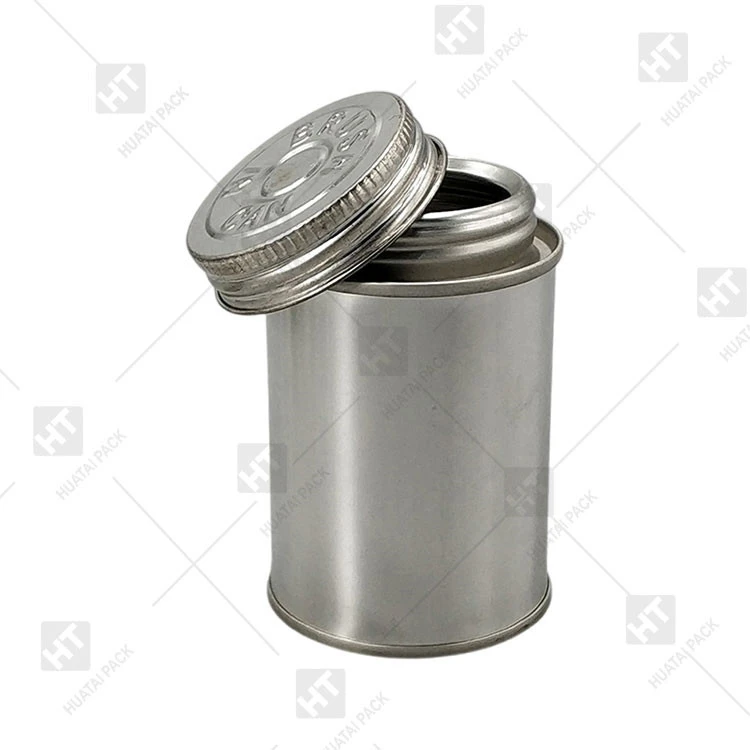
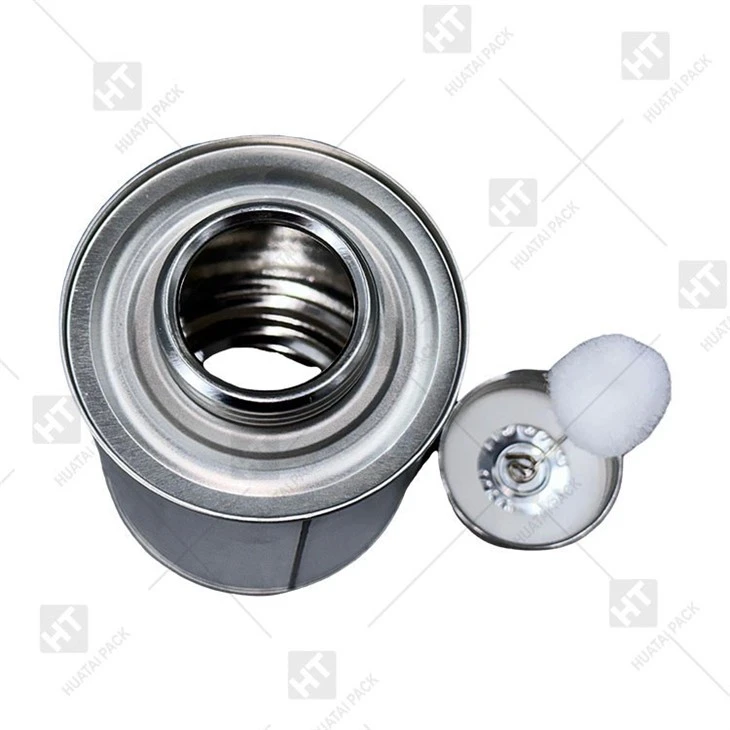
As a dedicated supplier of 4oz glue cans, I often encounter inquiries about the bonding speed of the glue contained within these cans. Understanding the bonding speed is crucial for various applications, whether it's for DIY projects, industrial manufacturing, or professional repairs. In this blog post, I'll delve into the factors that influence the bonding speed of the glue in our 4oz cans, explore typical bonding times, and discuss how different scenarios can affect the overall performance.
Factors Affecting Bonding Speed
The bonding speed of glue is influenced by a multitude of factors, each playing a significant role in determining how quickly the adhesive forms a strong bond. Here are some of the key factors to consider:
1. Glue Composition
The chemical composition of the glue is perhaps the most fundamental factor affecting bonding speed. Different types of glues, such as epoxy, cyanoacrylate (super glue), and PVA (polyvinyl acetate), have distinct chemical properties that determine how they react and bond to surfaces. For example, cyanoacrylate glues are known for their extremely fast bonding speed, often forming a bond within seconds. On the other hand, epoxy glues typically require a longer curing time, ranging from several hours to even days, depending on the specific formulation.
2. Surface Material
The type of material being bonded also has a significant impact on bonding speed. Porous surfaces, such as wood and paper, tend to absorb the glue more readily, which can speed up the bonding process. In contrast, non-porous surfaces, like metal and plastic, may require a longer time for the glue to adhere properly. Additionally, the surface finish and cleanliness of the materials can affect bonding speed. Surfaces that are dirty, oily, or contaminated may prevent the glue from forming a strong bond, leading to slower bonding times or even bond failure.
3. Temperature and Humidity
Environmental conditions, particularly temperature and humidity, can have a profound effect on the bonding speed of glue. Generally, higher temperatures accelerate the chemical reactions within the glue, resulting in faster bonding times. Conversely, lower temperatures can slow down the curing process, making the glue take longer to set. Humidity can also play a role, especially for certain types of glues that are sensitive to moisture. For example, some epoxy glues may cure more slowly in high humidity environments, while others may require a certain level of moisture to initiate the curing process.
4. Application Method
The way the glue is applied can also influence bonding speed. Applying too much or too little glue can affect the bonding process. Excessive glue may take longer to dry and cure, while insufficient glue may not provide enough adhesion. Additionally, the method of spreading the glue, such as brushing, rolling, or spraying, can impact how evenly the glue is distributed on the surfaces, which in turn can affect bonding speed and strength.
Typical Bonding Times for Glue in 4oz Cans
The bonding times for the glue in our 4oz cans can vary depending on the specific type of glue and the factors mentioned above. Here are some general guidelines for common types of glues:
1. Cyanoacrylate Glue
Cyanoacrylate glue, also known as super glue, is renowned for its rapid bonding speed. In ideal conditions, it can form a bond within seconds to a few minutes. For small, simple bonds on clean, non-porous surfaces, the bond may be strong enough to handle light handling within 10 - 30 seconds. However, for larger or more complex bonds, or on porous surfaces, it may take a few minutes for the bond to reach its full strength.
2. Epoxy Glue
Epoxy glue typically has a longer curing time compared to cyanoacrylate glue. The initial setting time can range from 30 minutes to a few hours, depending on the formulation. However, it usually takes 24 hours or more for the epoxy to fully cure and reach its maximum strength. Some high-performance epoxy glues may require even longer curing times, up to several days, especially for applications where maximum strength and durability are required.
3. PVA Glue
PVA glue is a popular choice for woodworking and other craft projects. It generally has a moderate bonding speed, with an initial setting time of around 15 - 30 minutes. The bond continues to strengthen over the next few hours, and it usually reaches its full strength within 24 hours. PVA glue is water-based, which means it can be easily cleaned up with water before it dries.
Impact of Different Scenarios on Bonding Speed
Let's explore how different scenarios can affect the bonding speed of the glue in our 4oz cans:
1. DIY Projects
In DIY projects, the bonding speed of the glue can significantly impact the overall project timeline. For quick repairs or small crafts, a fast-bonding glue like cyanoacrylate may be the preferred choice. However, for larger projects that require a stronger and more durable bond, such as building furniture or installing fixtures, an epoxy glue may be more suitable, even though it has a longer curing time. It's important to plan ahead and allow sufficient time for the glue to cure properly to ensure the success of the project.
2. Industrial Manufacturing
In industrial manufacturing settings, the bonding speed of glue can have a direct impact on production efficiency. Manufacturers often need to choose glues that can bond quickly to meet high-volume production requirements. Fast-bonding glues can help reduce production time and increase throughput. However, they also need to ensure that the bonds are strong and reliable to meet the quality standards of the final products. In some cases, manufacturers may use a combination of fast-bonding and slow-curing glues to achieve the desired results.
3. Professional Repairs
Professional repair technicians also need to consider the bonding speed of glue when working on various repairs. For example, in automotive repairs, a fast-bonding glue may be needed to quickly fix a broken part and get the vehicle back on the road. In contrast, in structural repairs, a slow-curing epoxy glue may be used to ensure a strong and long-lasting bond. The choice of glue depends on the specific repair requirements and the materials being bonded.
Other Product Options
In addition to our 4oz glue cans, we also offer a range of other sizes to meet different customer needs. If you require a larger quantity of glue, you may be interested in our 8oz Pvc Can With Cap, 16oz Glue Can, or 32oz Glue Can. These larger cans are suitable for industrial applications, large-scale projects, or customers who use glue frequently.
Contact Us for Procurement
If you're interested in our 4oz glue cans or any of our other products, we'd love to hear from you. Whether you have questions about bonding speed, need advice on choosing the right glue for your application, or are ready to place an order, our team of experts is here to assist you. Please feel free to reach out to us to start a procurement discussion. We're committed to providing high-quality products and excellent customer service to meet your bonding needs.
References
- ASTM International. (2023). Standard Test Methods for Adhesives.
- Encyclopedia of Polymer Science and Technology. (2018). John Wiley & Sons.
- Handbook of Adhesive Technology. (2017). Springer.