

What is the best way to stir paint in a can?
Oct 27, 2025
When it comes to painting projects, whether it's a small DIY home improvement task or a large - scale commercial job, one crucial step that often gets overlooked is stirring the paint in the can properly. As a paint can supplier, I've seen firsthand how the right stirring method can make a significant difference in the quality of the paint application. In this blog, I'll share with you what I believe is the best way to stir paint in a can.
Understanding the Importance of Stirring Paint
Before delving into the best stirring method, it's essential to understand why stirring paint is so important. Paint is a complex mixture of pigments, binders, solvents, and additives. Over time, these components can separate. Pigments may settle at the bottom of the can, while solvents and other lighter components rise to the top. If you don't stir the paint thoroughly, you'll end up with an uneven color and inconsistent texture in your paint job. For example, the areas painted with the settled pigments might appear darker and thicker, while those with more solvent - rich layers could be too thin and lack coverage.
Tools You'll Need
To stir paint effectively, you'll need the right tools. A paint stirrer is the most obvious choice. You can use a wooden paint stirrer, which is inexpensive and disposable. Metal stirrers are also available; they are more durable and can be reused. Additionally, having a flat - bottomed container, like a paint tray, can be helpful for pre - mixing a small amount of paint if needed.
The Best Stirring Technique
- Initial Inspection:
- When you first open the paint can, take a look at the contents. If there's a thick layer of settled pigments at the bottom, you'll need to be extra careful during the stirring process.
- Use a putty knife or a similar tool to break up any skin that may have formed on the surface of the paint. This skin can form due to exposure to air and can cause lumps in your paint if not removed.
- Deep Stirring:
- Insert the paint stirrer all the way to the bottom of the can. Start by making a circular motion around the edges of the can. This helps to loosen the settled pigments at the bottom and incorporate them into the rest of the paint.
- As you stir, move the stirrer up and down in a vertical motion as well. This ensures that you're mixing the paint from top to bottom. For larger cans, it's a good idea to change the direction of your circular motion every few minutes to ensure thorough mixing.
- Angle and Speed:
- Hold the stirrer at a slight angle, about 45 degrees. This allows the stirrer to reach more areas of the can and helps to break up any clumps more effectively.
- Stir at a moderate speed. If you stir too fast, you may introduce air bubbles into the paint, which can cause problems like pinholes or a rough finish. On the other hand, stirring too slowly won't mix the paint thoroughly enough.
- Scraping the Sides and Bottom:
- Periodically scrape the sides and bottom of the can with the stirrer. This helps to ensure that all the paint, especially the parts that stick to the can's interior, is mixed in. You can also use the putty knife to scrape any stubborn paint from the sides and then stir it back into the mixture.
- Pre - Mixing in a Tray (Optional):
- For larger projects, it can be beneficial to pour a small amount of paint into a paint tray and give it an extra stir. This pre - mixing step can help to further homogenize the paint and ensure that the color and texture are consistent throughout the project.
Special Considerations for Different Types of Paint
- Latex Paint:
- Latex paint is water - based and tends to separate more easily than oil - based paints. It's important to stir latex paint thoroughly, as the pigments can settle quickly. When stirring latex paint, be careful not to over - stir, as this can cause the paint to foam. If foam does form, let it sit for a few minutes to allow the bubbles to dissipate.
- Oil - Based Paint:
- Oil - based paints are thicker and have a different consistency compared to latex paints. They also tend to have a stronger odor. When stirring oil - based paint, you may need to use a bit more force to break up the settled components. It's advisable to wear gloves and work in a well - ventilated area.
- High - Viscosity Paints:
- Some paints, like textured paints or epoxy paints, have a high viscosity. These paints require more effort to stir. You may need to use a power mixer or a drill - attached paint mixer for better results. However, make sure to follow the manufacturer's instructions when using power tools with paint.
The Role of Our Paint Cans in the Stirring Process
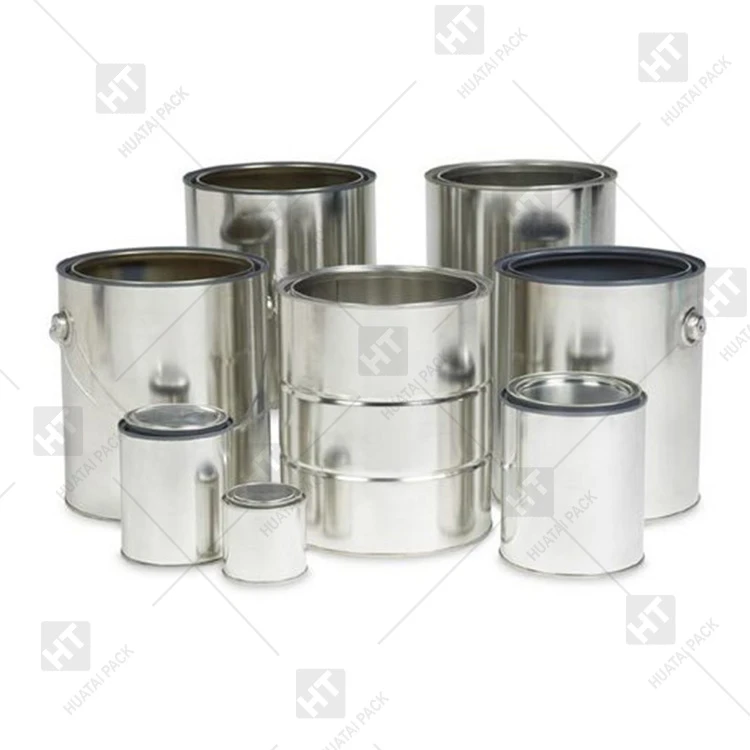
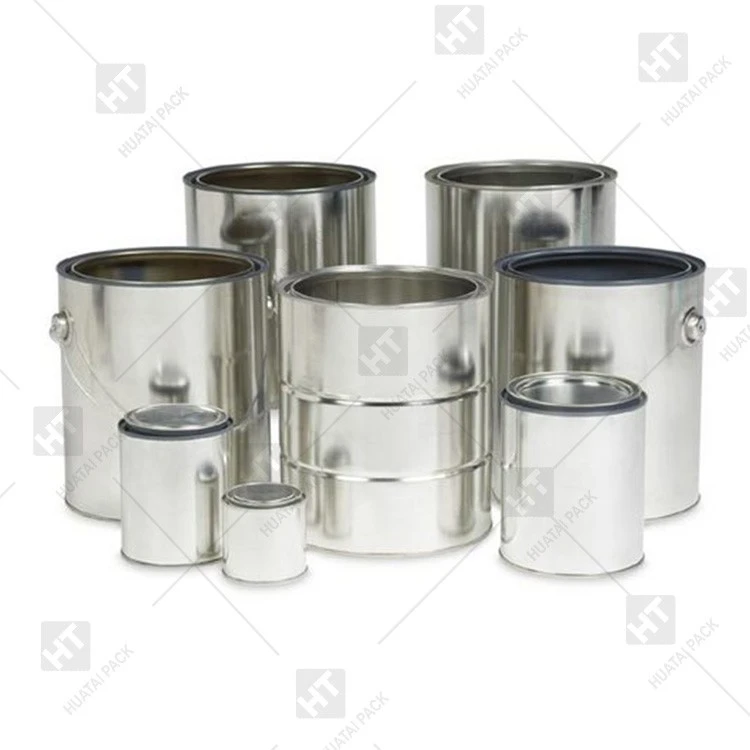
At our company, we offer a variety of high - quality paint cans, such as Round Metal Tin Paint Cans, Gallon Round Tin Can, and Chemical Round Can. Our paint cans are designed with smooth interiors, which makes it easier to stir the paint. The shape and size of our cans are optimized to allow for efficient stirring. For example, the round shape ensures that the paint can be stirred in a circular motion without any sharp corners where paint could get trapped.
Tips for Maintaining Paint Quality After Stirring
- Sealing the Can Properly:
- After you've finished stirring and using the paint, make sure to seal the can tightly. Use a rubber mallet or a similar tool to press the lid firmly onto the can. This helps to prevent air from entering the can and causing the paint to dry out or form a skin.
- Storage Conditions:
- Store the paint cans in a cool, dry place. Extreme temperatures can affect the quality of the paint. For example, if the paint is stored in a hot environment, it may thicken or separate more quickly. On the other hand, freezing temperatures can cause the paint to become lumpy and unusable.
Conclusion
Stirring paint in a can is a simple yet crucial step in any painting project. By following the best stirring techniques, using the right tools, and considering the type of paint you're working with, you can ensure a high - quality paint job. Our paint cans are designed to support this process, providing a smooth and efficient stirring experience.
If you're interested in purchasing high - quality paint cans for your next project, we'd love to have a discussion with you. Whether you're a professional painter or a DIY enthusiast, our range of paint cans can meet your needs. Contact us to start a conversation about your paint can requirements and let's work together to make your painting projects a success.
References
- "Painting Techniques: A Comprehensive Guide", published by a leading home improvement magazine.
- Manufacturer's instructions for various types of paint.
- Industry research on paint mixing and application.