

What is the best way to seal an opened engine oil can?
Oct 30, 2025
Hey there! As an engine oil can supplier, I've seen my fair share of opened oil cans and the struggles that come with sealing them properly. So, I thought I'd share some insights on what I believe is the best way to seal an opened engine oil can.
First off, why is it important to seal an opened engine oil can correctly? Well, engine oil is sensitive to air, moisture, and contaminants. When an oil can is left open, these elements can get in and degrade the oil quality. Oxidation can occur when the oil is exposed to air, which can lead to the formation of sludge and varnish. Moisture can cause corrosion in the engine and also affect the oil's lubricating properties. And contaminants like dust and dirt can wear down engine components. So, a proper seal is crucial to maintain the oil's integrity and ensure it does its job effectively.
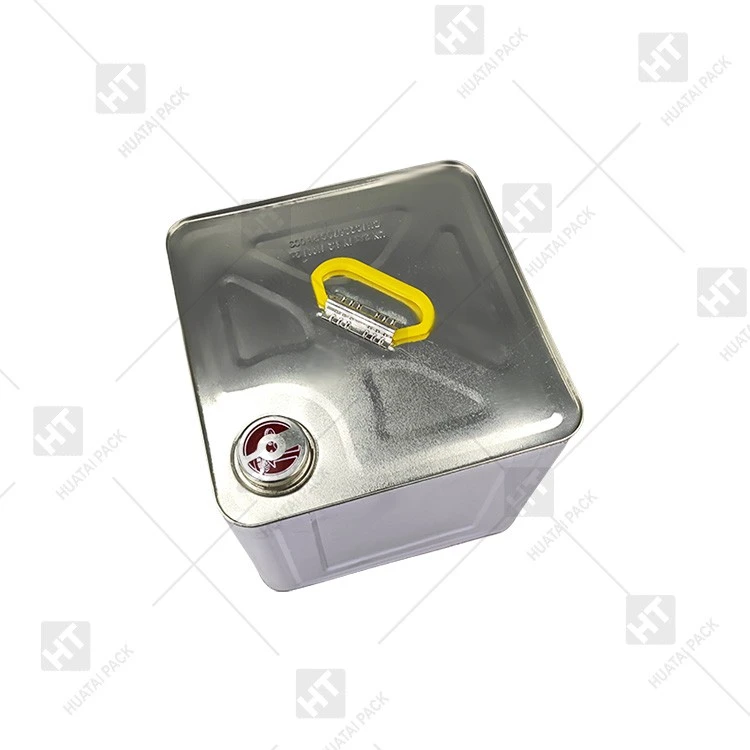
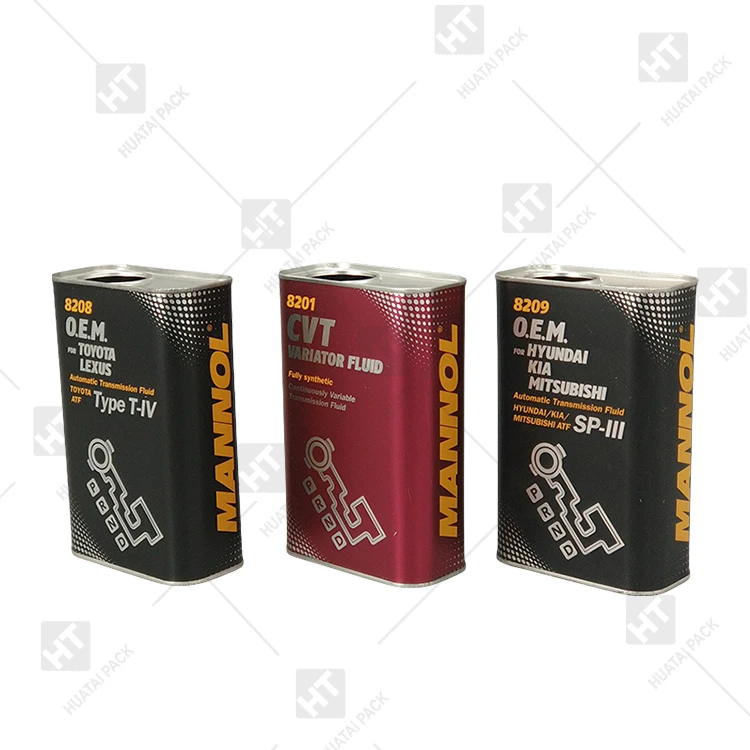
Let's start by looking at the types of engine oil cans available. We offer a variety of cans, including the 5L Rectangular Tinplate Can, Metal Tinplate Can, and Engine Oil Square Tin Cans. These cans are made of high - quality tinplate, which provides good protection against rust and corrosion. But once they're opened, we need to take extra steps to seal them.
One of the most common ways to seal an opened engine oil can is by using the original cap. Most engine oil cans come with a cap that's designed to create a tight seal. When you're done using the oil, make sure to clean the rim of the can. Any oil or debris on the rim can prevent the cap from sealing properly. Wipe it down with a clean, dry cloth. Then, place the cap back on the can and tighten it as much as possible. But be careful not to over - tighten, as this could damage the cap or the can.
Another option is to use a plastic wrap or a food - grade plastic bag. If the original cap is damaged or lost, you can take a large piece of plastic wrap. Place it over the opening of the can, making sure it covers the entire area. Then, use a rubber band or a piece of string to secure the plastic wrap tightly around the can. This creates a barrier that helps keep air and moisture out. However, this method is more of a temporary solution. The plastic wrap can tear easily, and it may not provide as good a seal as the original cap.
For a more long - term and reliable solution, you can consider using a can sealer. There are different types of can sealers available in the market. Some are manual, while others are electric. A can sealer works by crimping the lid onto the can, creating an airtight and watertight seal. This is a great option if you have multiple opened cans or if you want to ensure the highest level of protection for the oil. But can sealers can be a bit expensive, and they may not be practical for home use.
Now, let's talk about some tips to make the sealing process even more effective. First, store the sealed can in a cool, dry place. Heat can accelerate the oxidation process, so keeping the can in a place with a stable temperature is important. Also, try to keep the can upright. If it's stored on its side, there's a higher chance of oil leaking out, especially if the seal isn't perfect.
When it comes to checking the seal, you can do a simple test. After sealing the can, turn it upside down for a few minutes. If there's any oil leakage, then the seal isn't tight enough. You may need to adjust the cap or use a different sealing method.
In addition to these methods, it's also important to consider the frequency of use. If you're using the engine oil regularly, you may not need as tight a seal as if you're storing the oil for a long time. For regular use, just making sure the original cap is on tight should be sufficient. But if you're storing the oil for months or even years, using a can sealer or a more robust sealing method is recommended.
As an engine oil can supplier, we understand the importance of proper storage and sealing. Our cans are designed to be durable and provide good protection for the oil, but it's up to you to seal them correctly after opening. Whether you're a mechanic, a car enthusiast, or just someone who wants to keep their engine in top shape, following these tips can help you get the most out of your engine oil.
If you're interested in purchasing high - quality engine oil cans, we'd love to hear from you. We offer a wide range of sizes and styles to meet your needs. Contact us to start a procurement discussion, and we'll be happy to assist you in finding the perfect cans for your engine oil.
References
- "Automotive Lubricants Handbook" by George Totten
- Various industry reports on engine oil storage and can design.