

What is the best way to clean up spills from an 8oz glue can?
Jun 26, 2025
Hey there! As a supplier of 8oz glue cans, I've seen my fair share of glue spills. And let me tell you, they can be a real pain in the you - know - what! But don't worry, I've got some tips and tricks up my sleeve to help you clean up those spills like a pro.
First things first, it's important to act fast when you have a glue spill. The longer the glue sits, the harder it is to clean up. So, as soon as you notice a spill, grab some paper towels or a clean cloth and start blotting up as much of the glue as you can. Don't rub it, though, because that can spread the glue and make the mess worse. Just gently press the paper towel or cloth onto the spill to soak up the excess glue.
If the glue is still wet, you can try using some warm, soapy water to clean it up. Fill a bucket or sink with warm water and add a few drops of dish soap. Dip a sponge or cloth into the soapy water and gently wipe the spill. Rinse the sponge or cloth frequently and keep wiping until the glue is gone. This method works well for most types of glue, but it might take a little elbow grease for some stubborn glues.
For dried glue spills, things get a bit trickier. One option is to use a solvent. There are different solvents you can choose from depending on the type of glue. For example, if it's a water - based glue, rubbing alcohol can be a great solvent. Pour a small amount of rubbing alcohol onto a clean cloth and gently rub the dried glue. The alcohol will dissolve the glue, and you can then wipe it away.
If you're dealing with a super - strong glue like epoxy or cyanoacrylate (also known as super glue), acetone can be effective. However, be careful when using acetone because it can damage some surfaces. Test it on a small, inconspicuous area first to make sure it won't cause any harm. Put a little acetone on a cloth and carefully work on the dried glue, being cautious not to let the acetone spread to other areas.
Another thing you can do for dried glue is to use a scraper. A plastic scraper is a good choice because it won't scratch most surfaces. Gently slide the scraper under the dried glue and try to lift it off. You might need to do this a few times, and it can be a bit time - consuming, but it can be an effective way to remove large chunks of dried glue.
Now, let's talk about different surfaces and how to clean glue spills on them.
On hard floors (like tile or linoleum):
If you spill glue on a hard floor, start by blotting up the wet glue as described earlier. For dried glue, you can try using a plastic scraper first. If that doesn't work, you can use a solvent like rubbing alcohol or acetone. Just make sure to clean the area thoroughly with warm, soapy water after using the solvent to remove any residue.
On carpets:
Carpets can be a nightmare when it comes to glue spills. As soon as you notice the spill, blot it with a paper towel. Then, mix a small amount of dish soap with warm water and use a clean cloth to gently dab the spill. Don't scrub too hard because it can push the glue deeper into the carpet fibers. If the glue has dried, you can try using a carpet cleaner specifically designed for removing stains. Some carpet cleaners have enzymes that can break down the glue. You can also try using a bit of rubbing alcohol on a hidden part of the carpet first to see if it works without discoloring the carpet.
On clothing:
If you spill glue on your clothes, don't panic. If the glue is still wet, soak the garment in cold water for a few minutes. Then, gently rub the fabric together to try to remove the glue. For dried glue, you can try freezing the garment. Put the glued part of the clothing in a plastic bag and place it in the freezer for a few hours. Once the glue is frozen, it should be easier to break it off. You can then use a soft - bristled brush to brush away any remaining glue. If there's still some glue left, you can try using a small amount of rubbing alcohol on a cloth to remove it, but test it on a small area of the fabric first.
As an 8oz glue can supplier, I also want to mention that we offer a range of other glue can sizes. If you're looking for larger quantities, we have 32oz Glue Can. And if you need something in - between, our 16oz Glue Can might be the perfect fit. For smaller projects, we also have 4oz Glue Can.
We understand that accidents happen, and that's why we're here to not only provide high - quality glue but also to share our knowledge on how to deal with spills. Whether you're a DIY enthusiast, a professional crafter, or a contractor, our glue cans are designed to meet your needs.

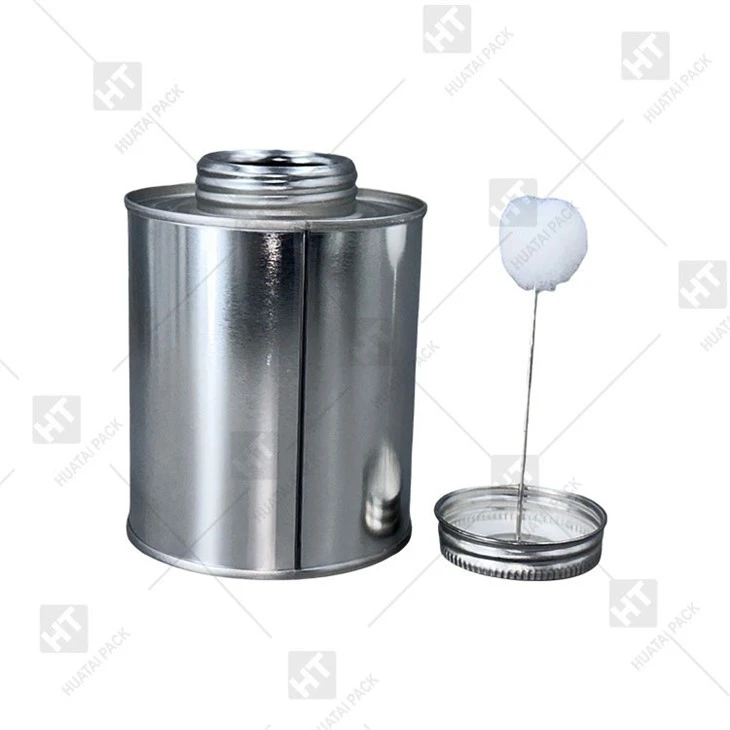
If you're interested in purchasing our glue cans or have any questions about our products, don't hesitate to reach out. We're always happy to have a chat and help you find the right glue for your projects.
In conclusion, cleaning up glue spills from an 8oz glue can might seem like a hassle, but with the right methods and a bit of patience, you can get the job done. Remember to act quickly for wet spills, choose the right solvent for dried spills, and be careful when dealing with different surfaces. And if you need more glue or have any cleaning - related questions, we're just a message away.
References
- "Home Cleaning Hacks: Removing Glue Stains", Popular Mechanics Magazine
- "DIY Guide to Glue Spill Cleanup", Crafting World Online
- "Solvents and Their Uses in Glue Removal", Chemical Cleaning Journal