

What are the texture differences between canned and fresh food?
Sep 12, 2025
When it comes to food, one of the significant factors that influence our dining experience is texture. Texture can greatly affect how we perceive the taste and overall enjoyment of a meal. In the world of food, there is an ongoing debate about the texture differences between canned and fresh food. As a food can supplier, I've had the opportunity to observe and understand these differences from both a packaging and consumer perspective. In this blog, I'll delve into the texture disparities between canned and fresh food, exploring the reasons behind them and their implications for consumers.
Fresh Food: A World of Natural Textures
Fresh food is celebrated for its natural and diverse textures. When you bite into a crisp apple, the satisfying crunch is a result of its firm cell walls filled with water. The juiciness and snap of fresh vegetables like celery or bell peppers are also due to their high water content and intact cellular structure. These natural textures are a product of the food's freshness and the way it is grown and harvested.
The texture of fresh meat is another example. A tender, juicy steak has a firm yet yielding texture that comes from its muscle fibers and connective tissues. When cooked properly, the meat retains its moisture, resulting in a succulent and mouth - watering experience. Fresh seafood, such as shrimp or scallops, has a delicate and slightly chewy texture that is highly prized by seafood lovers.

However, fresh food is also highly perishable. The natural textures can change rapidly over time. For instance, a ripe banana that is soft and creamy today may become overly mushy tomorrow. Fresh produce can wilt, lose its crunch, and become less appealing in texture as it ages. This is where canned food comes into the picture.
Canned Food: Altered but Stable Textures
Canned food undergoes a preservation process that involves heating the food inside the can to kill bacteria and other microorganisms. This process, known as canning, has a significant impact on the texture of the food. For example, canned fruits are often softer than their fresh counterparts. When fruits are canned, they are cooked in a syrup or juice, which causes their cell walls to break down. As a result, canned peaches or pears are more tender and may have a mushy texture compared to fresh ones.
Vegetables in cans also experience texture changes. Canned green beans, for example, are usually less crisp than fresh green beans. The canning process softens the vegetables, making them easier to chew. This can be an advantage for some consumers, especially those with dental problems or who prefer a more tender texture.
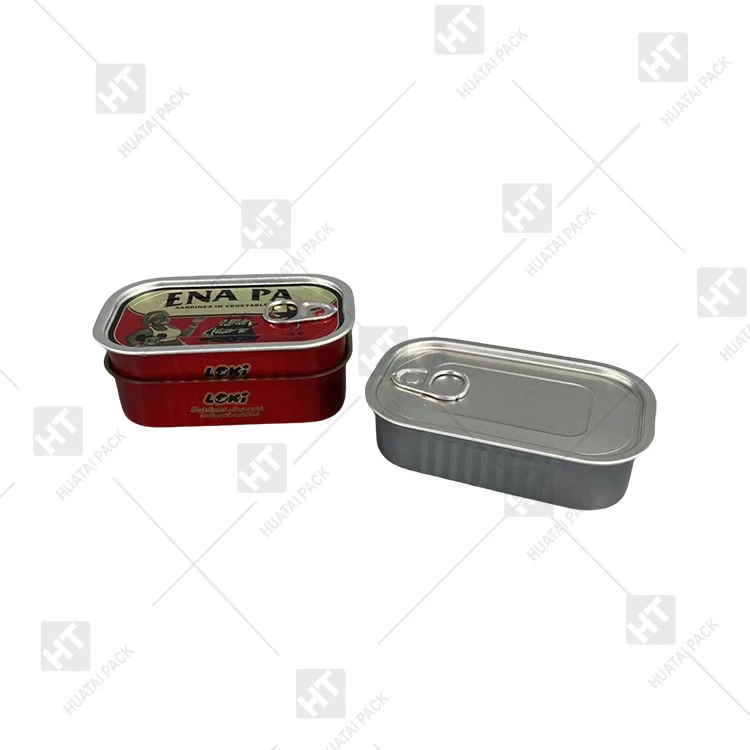
Canned meats and seafood also have distinct textures. Canned tuna, for instance, has a flaky texture that is different from fresh tuna. The canning process breaks down the muscle fibers in the fish, resulting in a more shredded and easily spreadable texture. Canned sardines, available in Sardine Cans and 125g Empty Sardine Can, have a soft and tender texture that is a result of the cooking and preservation process.
One of the advantages of canned food is its stability. The texture of canned food remains relatively consistent over a long period. You can expect the same texture from a can of tomatoes whether you buy it today or a year from now. This makes canned food a reliable option for consumers who want a predictable dining experience.
The Role of Packaging in Texture Preservation
As a food can supplier, I understand the importance of packaging in maintaining the texture of canned food. Metal Food Tin Can provides an airtight and light - proof environment that helps preserve the food's texture. The metal can protects the food from oxygen, which can cause oxidation and spoilage, leading to changes in texture.
The canning process also involves adding brine, syrup, or other liquids to the food. These liquids not only enhance the flavor but also help maintain the food's moisture content, which is crucial for texture. For example, canned beans are often packed in a saltwater brine that helps keep them plump and prevents them from becoming too dry or hard.
Consumer Preferences and the Impact on the Market
Consumer preferences for texture play a significant role in the market for canned and fresh food. Some consumers prefer the natural textures of fresh food and are willing to go to the grocery store regularly to buy it. They enjoy the variety of textures that fresh produce, meat, and seafood offer. On the other hand, many consumers appreciate the convenience and consistent texture of canned food. Canned food is easy to store, has a long shelf life, and can be used in a variety of recipes.
For busy families, canned food can be a time - saver. A can of tomatoes can be quickly turned into a pasta sauce, and canned beans can be added to a salad or soup without much preparation. The texture of canned food may not be as "pure" as fresh food, but it can still be delicious and satisfying.
Conclusion and Call to Action
In conclusion, the texture differences between canned and fresh food are significant. Fresh food offers a wide range of natural textures but is perishable, while canned food has altered but stable textures that are suitable for long - term storage. As a food can supplier, I'm committed to providing high - quality Metal Food Tin Can and other food packaging solutions that help preserve the texture and quality of canned food.
If you're a food producer looking for reliable and innovative food canning solutions, I invite you to reach out for a procurement discussion. We can work together to ensure that your canned products have the best possible texture and quality, meeting the diverse needs of consumers.
References
- "Food Science and Technology" by Owen R. Fennema
- "Canning: A Comprehensive Guide" by The National Center for Home Food Preservation
- "Consumer Preferences for Food Textures" by Journal of Sensory Studies