

What are the safety regulations for food cans?
Aug 09, 2026
In the food industry, ensuring the safety of food cans is essential. As a food can supplier, I understand the significance of adhering to strict safety regulations to protect consumers' health and maintain the integrity of the food products we package. Here, I will delve into the key safety regulations for food cans, providing you with a comprehensive overview of what you need to know.
Material Safety
The materials used in food cans are subject to rigorous safety standards. Most commonly, food cans are made from metals such as steel or aluminum. These metals must be of high quality and free from contaminants that could leach into the food.
For steel cans, the steel should be coated with a protective layer to prevent corrosion. This coating is typically made of epoxy or other food - grade polymers. The coating acts as a barrier between the metal and the food, preventing the transfer of metal ions and ensuring that the food remains safe for consumption. The coating must meet specific food contact regulations, such as those set by the Food and Drug Administration (FDA) in the United States or the European Food Safety Authority (EFSA) in the European Union. These regulations specify the types of materials that are allowed, their maximum migration limits, and the testing methods required to ensure compliance.
Aluminum cans also have their own safety requirements. Aluminum is a lightweight and corrosion - resistant metal, but it can react with acidic or alkaline foods. To prevent this, aluminum cans are also coated with a food - grade liner. The liner must be carefully selected to ensure compatibility with the food product and to prevent any chemical reactions that could affect the taste, quality, or safety of the food.
Manufacturing Process
The manufacturing process of food cans is another crucial aspect of safety. Every step, from the initial forming of the can to the final sealing, must be carefully controlled to prevent contamination.

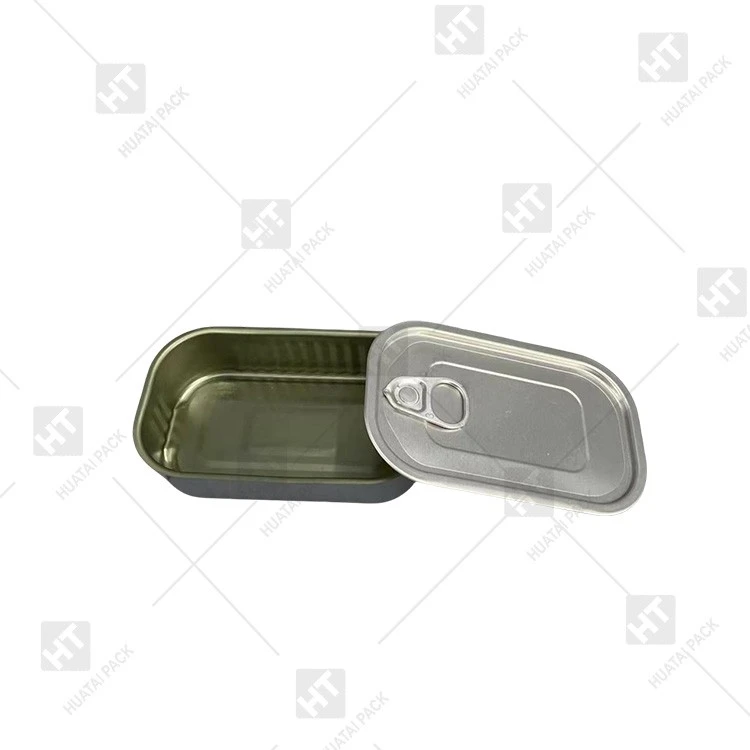
During the forming process, the metal sheets are cut, shaped, and welded to create the can body. The welding process must be precise to ensure a strong and leak - proof seal. Any defects in the weld could lead to the entry of bacteria or other contaminants into the can, posing a risk to the food inside.
After the can body is formed, it undergoes a cleaning and sterilization process. This is to remove any dirt, debris, or microorganisms that may have accumulated during the manufacturing process. The cans are typically washed with a series of cleaning agents and then rinsed thoroughly. They are then sterilized using heat or chemical treatments to kill any remaining bacteria or other pathogens.
The filling and sealing of the cans are also critical steps. The food must be filled into the cans under hygienic conditions to prevent contamination. The cans are then sealed using a hermetic seal to prevent the entry of air, moisture, and microorganisms. The sealing process must be carefully monitored to ensure that the seal is intact and that there is no leakage.
Labeling and Information
Accurate labeling of food cans is a significant safety regulation. The label provides important information to consumers, including the name of the food product, its ingredients, the net weight, the expiration date, and any special storage or handling instructions.
The ingredient list must be complete and accurate, listing all the ingredients used in the food product in descending order of quantity. This allows consumers with allergies or dietary restrictions to make informed choices. The expiration date indicates the period during which the food product is expected to remain safe and of good quality. It is important that the expiration date is clearly marked and that the food is not consumed after this date.
In addition to the basic information, the label may also include information about the manufacturing process, such as whether the food has been canned using high - pressure processing or other preservation methods. This information can be useful for consumers who are interested in the safety and quality of the food they are purchasing.
Quality Control and Testing
Quality control and testing are essential parts of ensuring the safety of food cans. As a food can supplier, we conduct regular quality control checks throughout the manufacturing process.
We test the chemical composition of the materials used in the cans to ensure that they meet the required safety standards. We also test the cans for physical properties such as strength, thickness, and tightness of the seal. These tests help to identify any potential defects or problems that could affect the safety of the food.
In addition to in - house testing, we also cooperate with independent third - party laboratories to conduct more comprehensive tests. These tests may include microbiological testing to detect the presence of bacteria, fungi, or other pathogens, as well as chemical testing to measure the levels of contaminants such as heavy metals or pesticides.
Our Products
We offer a wide range of high - quality food cans that comply with all the relevant safety regulations. For example, our 125g Empty Sardine Can is made from high - grade metal with a food - grade coating, ensuring the safety and freshness of the sardines. Our Sardine Cans are designed with a tight seal to prevent leakage and contamination. And our Metal Food Tin Can is suitable for a variety of food products, providing a reliable and safe packaging solution.
Conclusion
Safety regulations for food cans are a multi - faceted aspect of the food packaging industry. As a food can supplier, we are committed to upholding these regulations to provide our customers with safe and high - quality products. By choosing our food cans, you can be confident that you are using packaging that meets the highest safety standards and protects the integrity of your food products.
If you are interested in purchasing our food cans for your food business, we encourage you to reach out to us for procurement discussions. We are ready to provide you with detailed information about our products and work with you to meet your specific needs.