

What are the packaging materials of a 2l olive oil can?
Jun 03, 2025
Hey there! As a supplier of 2L olive oil cans, I'm super excited to dive into the world of packaging materials for these bad boys. Olive oil is not just a staple in kitchens around the globe; it's a precious commodity that needs the right protection to maintain its quality and flavor. So, let's take a closer look at what goes into making the perfect 2L olive oil can.
Tinplate Steel
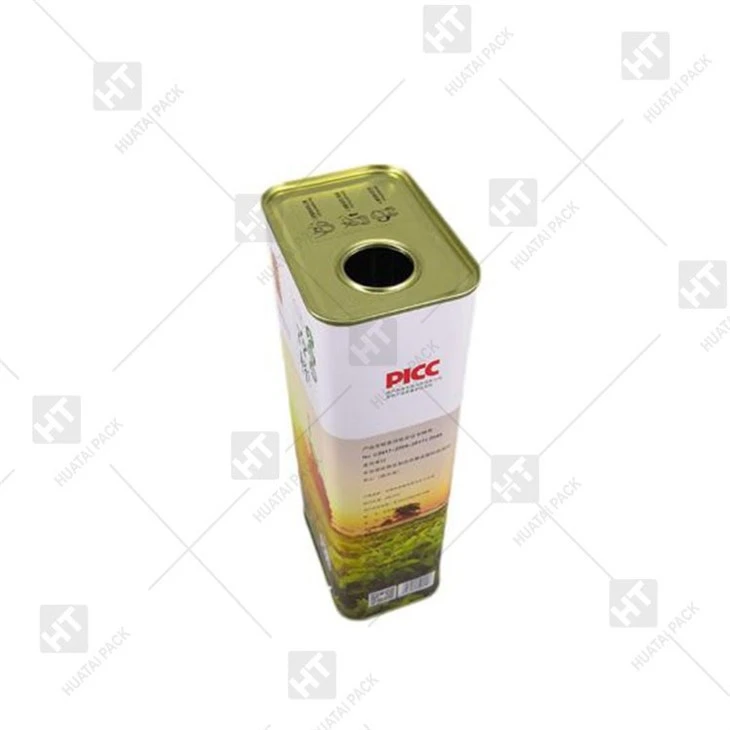
One of the most common materials for 2L olive oil cans is tinplate steel. It's a tried-and-true option that offers a bunch of benefits. First off, tinplate steel is incredibly durable. It can withstand the rigors of transportation and storage without getting dented or damaged easily. This means your precious olive oil will stay safe from leaks and spills.
Another great thing about tinplate steel is its resistance to corrosion. Olive oil is acidic, and over time, it can react with certain materials. But tinplate steel has a protective layer of tin that acts as a barrier, preventing the oil from coming into direct contact with the steel. This helps to preserve the quality of the oil and extends its shelf life.
Tinplate steel is also highly recyclable. In today's environmentally conscious world, that's a huge plus. When you choose a 2L olive oil can made from tinplate steel, you're not only getting a high-quality product but also doing your part to reduce waste. You can check out our 3L Empty Olive Oil Tin Can to see the quality of our tinplate steel products.
Aluminum
Aluminum is another popular choice for 2L olive oil cans. It's lightweight, which makes it easy to handle and transport. This is especially important if you're shipping large quantities of olive oil. The lighter the packaging, the lower the shipping costs.
Aluminum is also a great conductor of heat. This means that it can help to keep the olive oil at a consistent temperature, which is crucial for maintaining its quality. Olive oil should be stored at a cool, stable temperature to prevent oxidation and preserve its flavor. An aluminum can can help to achieve this by providing a good barrier against heat transfer.
Like tinplate steel, aluminum is recyclable. In fact, aluminum is one of the most recycled materials in the world. When you choose an aluminum 2L olive oil can, you're contributing to a more sustainable future. You can explore our 2L Olive Oil Can to see our aluminum offerings.
Glass
Glass is a classic choice for olive oil packaging. It's a transparent material that allows you to see the beautiful color and clarity of the oil. This can be a great marketing tool, as consumers often like to see what they're buying.
Glass is also inert, which means it doesn't react with the olive oil. This helps to preserve the natural flavor and aroma of the oil. Unlike some other materials, glass won't impart any unwanted flavors or odors to the oil.
However, glass has its drawbacks. It's heavy and易碎, which can make it more expensive to transport and more prone to breakage. But if you're looking for a high-end, premium packaging option for your 2L olive oil, glass might be the way to go. You can take a look at our glass options and see if they fit your needs.
Plastic
Plastic is a versatile material that is often used for olive oil packaging. It's lightweight, inexpensive, and can be molded into a variety of shapes and sizes. This makes it a popular choice for many olive oil producers.
There are different types of plastic that can be used for 2L olive oil cans. For example, polyethylene terephthalate (PET) is a common choice. It's a strong, lightweight plastic that is resistant to moisture and oxygen. This helps to keep the olive oil fresh and protected.

However, plastic has some environmental concerns. It's not as easily recyclable as tinplate steel or aluminum, and it can take hundreds of years to decompose in the environment. If you're considering using plastic for your 2L olive oil can, it's important to choose a type that is recyclable and to encourage your customers to recycle it. You can also look into our 5L Olive Oil Can to see our plastic packaging options.
Conclusion
So, there you have it! These are some of the most common packaging materials for 2L olive oil cans. Each material has its own advantages and disadvantages, and the choice will depend on a variety of factors, such as your budget, the type of olive oil you're selling, and your environmental concerns.
As a supplier of 2L olive oil cans, we offer a wide range of options to meet your needs. Whether you're looking for a tinplate steel can, an aluminum can, a glass bottle, or a plastic container, we've got you covered. We're committed to providing high-quality packaging solutions that will help you protect your olive oil and showcase it to your customers.
If you're interested in learning more about our 2L olive oil cans or have any questions about the packaging materials, please don't hesitate to reach out. We'd love to have a chat with you and discuss how we can help you with your olive oil packaging needs. Let's work together to find the perfect solution for your business!
References
- Packaging World. (2023). Olive Oil Packaging: Trends and Innovations.
- The Olive Oil Times. (2023). Best Packaging Materials for Olive Oil.