

What are the different designs of lids for cans?
Oct 16, 2025
In the world of packaging, cans have long been a staple for preserving and transporting a wide variety of products, from beverages to food items and even industrial goods. One crucial aspect of a can that often goes unnoticed but plays a significant role in its functionality and user experience is the lid. As a supplier of lids, rings, and bottoms, I have witnessed firsthand the diverse range of lid designs available in the market. In this blog post, I will explore the different designs of lids for cans, their features, and their applications.
Traditional Seamed Lids
Traditional seamed lids are one of the oldest and most common types of can lids. These lids are typically made of metal, such as steel or aluminum, and are attached to the can body through a seaming process. The seaming process involves rolling the edges of the lid and the can body together to create a tight seal that prevents leakage and contamination.
One of the main advantages of traditional seamed lids is their durability and reliability. They provide a strong and secure seal that can withstand the pressure and stress of transportation and storage. Additionally, seamed lids are compatible with a wide range of can sizes and shapes, making them a versatile option for various packaging applications.
However, traditional seamed lids also have some limitations. They require specialized equipment and expertise to install, which can increase the cost and complexity of the packaging process. Moreover, opening a can with a seamed lid often requires the use of a can opener, which can be inconvenient for consumers.
Easy Open Lids
In recent years, easy open lids have become increasingly popular due to their convenience and user-friendly design. Easy open lids are designed to be opened without the need for a can opener, making them more accessible and convenient for consumers.
There are several types of easy open lids available in the market, including pull-tab lids, stay-on-tab lids, and peelable lids. Pull-tab lids feature a small tab that can be pulled to open the can. Stay-on-tab lids are similar to pull-tab lids, but the tab remains attached to the lid after opening, reducing the risk of littering. Peelable lids, on the other hand, are made of a thin layer of material that can be peeled off to expose the contents of the can.
Easy open lids offer several advantages over traditional seamed lids. They are more convenient and user-friendly, which can enhance the consumer experience. Additionally, easy open lids can reduce the risk of injuries associated with using a can opener, making them a safer option for consumers.
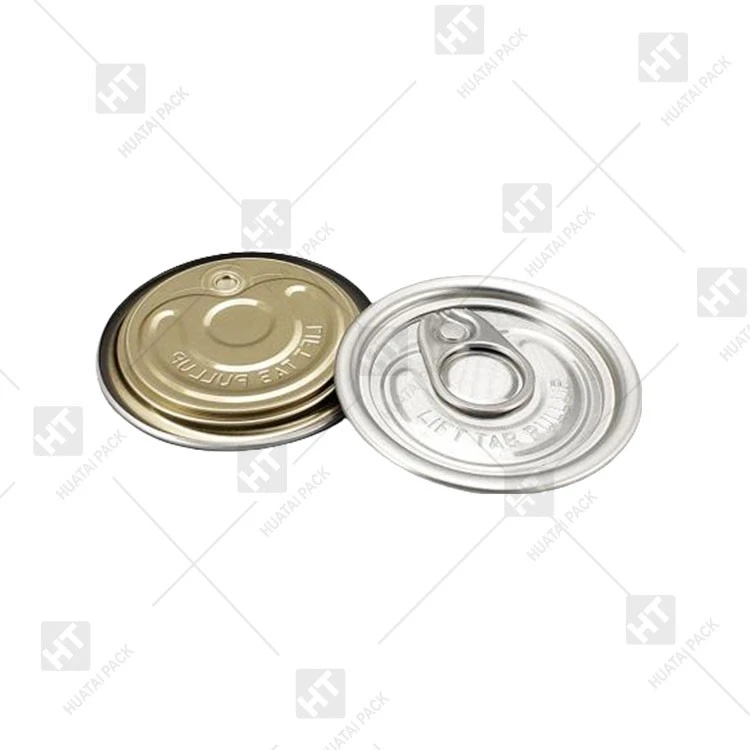

However, easy open lids also have some drawbacks. They are generally more expensive to produce than traditional seamed lids, which can increase the cost of the packaging. Moreover, easy open lids may not provide the same level of security and protection as traditional seamed lids, which can be a concern for some products.
Press-On Lids
Press-on lids, also known as snap-on lids, are another type of can lid that is commonly used in the packaging industry. Press-on lids are designed to be easily pressed onto the can body, creating a tight seal without the need for seaming or other specialized equipment.
Press-on lids are typically made of plastic or metal and are available in a variety of sizes and shapes. They are often used for packaging products that do not require a high level of protection or preservation, such as dry goods, snacks, and cosmetics.
One of the main advantages of press-on lids is their simplicity and ease of use. They can be quickly and easily installed without the need for specialized equipment or expertise, which can reduce the cost and complexity of the packaging process. Additionally, press-on lids can be easily removed and reused, making them a more sustainable option for packaging.
However, press-on lids also have some limitations. They may not provide the same level of security and protection as traditional seamed lids or easy open lids, which can be a concern for some products. Moreover, press-on lids may not be suitable for packaging products that require a high level of pressure or vacuum, as they may not be able to maintain a tight seal under these conditions.
Tamper-Evident Lids
Tamper-evident lids are designed to provide a visible indication of whether a can has been opened or tampered with. Tamper-evident lids are commonly used for packaging products that require a high level of security and protection, such as pharmaceuticals, food items, and beverages.
There are several types of tamper-evident lids available in the market, including breakaway rings, tear strips, and shrink bands. Breakaway rings are designed to break off when the can is opened, providing a clear indication of tampering. Tear strips are similar to breakaway rings, but they are designed to be torn off to open the can. Shrink bands are made of a thin layer of material that shrinks when heated, creating a tight seal around the can and providing a visible indication of tampering.
Tamper-evident lids offer several advantages over other types of can lids. They provide a high level of security and protection, which can help to prevent product tampering and contamination. Additionally, tamper-evident lids can enhance consumer confidence in the product, as they provide a visible indication that the product has not been tampered with.
However, tamper-evident lids also have some drawbacks. They are generally more expensive to produce than other types of can lids, which can increase the cost of the packaging. Moreover, tamper-evident lids may not be suitable for all products, as they may not be necessary or appropriate for products that do not require a high level of security and protection.
Customized Lids
In addition to the standard lid designs discussed above, many lid suppliers also offer customized lid solutions to meet the specific needs and requirements of their customers. Customized lids can be designed to incorporate unique features, such as logos, branding, and special markings, to enhance the visibility and appeal of the product.
Customized lids can be made from a variety of materials, including metal, plastic, and paperboard, and can be produced in a range of sizes and shapes to fit different types of cans. They can also be designed to meet specific performance requirements, such as durability, flexibility, and resistance to moisture and chemicals.
One of the main advantages of customized lids is their ability to differentiate the product from competitors and enhance brand recognition. By incorporating unique features and branding elements, customized lids can help to create a memorable and distinctive packaging design that stands out on the shelves. Additionally, customized lids can be tailored to meet the specific needs and requirements of the product, such as providing a tight seal, protecting the contents from light and oxygen, and ensuring easy opening and closing.
However, customized lids also have some limitations. They are generally more expensive to produce than standard lid designs, as they require additional design and manufacturing processes. Moreover, the lead time for producing customized lids may be longer than for standard lid designs, which can affect the production schedule and availability of the product.
Conclusion
In conclusion, the design of a can lid plays a crucial role in its functionality, user experience, and overall performance. There are several different types of can lids available in the market, each with its own unique features, advantages, and limitations. As a supplier of lids, rings, and bottoms, I understand the importance of choosing the right lid design for your product. Whether you need a traditional seamed lid, an easy open lid, a press-on lid, a tamper-evident lid, or a customized lid, I can provide you with the highest quality products and services to meet your specific needs and requirements.
If you are interested in learning more about our lid products or would like to discuss your packaging needs with us, please do not hesitate to contact us. We look forward to helping you find the perfect lid solution for your product.
References
- Packaging Machinery Manufacturers Institute. (n.d.). Can Seaming. Retrieved from https://www.pmmi.org/learn-about-packaging/equipment-types/can-seaming
- The Can Manufacturers Institute. (n.d.). Can Packaging. Retrieved from https://www.cancentral.com/can-packaging/
- European Aluminium Foil Association. (n.d.). Aluminium Packaging. Retrieved from https://www.eafo.org/aluminium-packaging/