

Is olive oil better than other cooking oils?
Jun 02, 2025
In the realm of cooking, the choice of cooking oil is a crucial decision that can significantly impact both the taste of our dishes and our overall health. Among the plethora of options available, olive oil has long held a prominent position, celebrated for its purported health benefits and distinctive flavor. As a dedicated olive oil supplier, I am often asked whether olive oil truly stands out as superior to other cooking oils. In this blog post, I aim to delve into this question, exploring the scientific evidence and practical considerations to provide a comprehensive understanding of olive oil's merits.
The Nutritional Profile of Olive Oil
One of the primary reasons olive oil is lauded is its impressive nutritional profile. Olive oil is rich in monounsaturated fats, particularly oleic acid, which has been associated with numerous health benefits. Monounsaturated fats are considered "good fats" as they can help reduce bad cholesterol levels (LDL) while maintaining or increasing good cholesterol levels (HDL). This balance is crucial for heart health, as it helps prevent the buildup of plaque in the arteries, reducing the risk of heart disease and stroke.
In addition to its healthy fat content, olive oil is also a good source of antioxidants, such as vitamin E and polyphenols. These antioxidants play a vital role in protecting the body against oxidative stress, which can damage cells and contribute to the development of chronic diseases, including cancer, Alzheimer's disease, and arthritis. The polyphenols in olive oil have been shown to have anti-inflammatory properties, which can help reduce inflammation in the body and alleviate symptoms of inflammatory conditions.
Health Benefits of Olive Oil
The health benefits of olive oil have been extensively studied, and the evidence supporting its positive impact on health is compelling. Numerous epidemiological studies have shown that populations with a high intake of olive oil, such as those in the Mediterranean region, have a lower incidence of chronic diseases, including heart disease, certain types of cancer, and neurodegenerative disorders.
One of the most well-known health benefits of olive oil is its role in promoting heart health. The monounsaturated fats in olive oil can help lower blood pressure, reduce cholesterol levels, and improve blood vessel function, all of which are important factors in preventing heart disease. Additionally, the antioxidants in olive oil can help protect the heart from oxidative damage and inflammation, further reducing the risk of heart-related problems.
Olive oil has also been linked to a reduced risk of certain types of cancer, including breast, colon, and prostate cancer. The antioxidants and anti-inflammatory compounds in olive oil may help prevent the growth and spread of cancer cells, as well as reduce the risk of DNA damage. Some studies have also suggested that the consumption of olive oil may be associated with a lower risk of neurodegenerative diseases, such as Alzheimer's and Parkinson's disease, although more research is needed to confirm these findings.
Culinary Advantages of Olive Oil
Beyond its health benefits, olive oil also offers several culinary advantages that make it a popular choice among chefs and home cooks alike. Olive oil has a rich, fruity flavor that can enhance the taste of a wide variety of dishes, from salads and pasta to grilled meats and vegetables. Its mild flavor makes it versatile and suitable for use in both savory and sweet recipes.

Another advantage of olive oil is its high smoke point, which makes it suitable for a variety of cooking methods, including frying, sautéing, and baking. Unlike some other cooking oils, such as vegetable oil and canola oil, olive oil does not break down and produce harmful compounds when heated to high temperatures. This means that you can use olive oil for cooking without worrying about the formation of trans fats or other unhealthy substances.
Comparing Olive Oil to Other Cooking Oils
While olive oil offers many health and culinary benefits, it's important to note that not all cooking oils are created equal. Different oils have different nutritional profiles and properties, and the best oil for you will depend on your individual health needs and cooking preferences.
Let's take a look at how olive oil compares to some other common cooking oils:
- Vegetable Oil: Vegetable oil is a blend of different plant-based oils, such as soybean, corn, and canola oil. While vegetable oil is low in saturated fat and high in polyunsaturated fats, it is also high in omega-6 fatty acids, which can promote inflammation in the body if consumed in excess. Additionally, many vegetable oils are highly processed, which can reduce their nutritional value.
- Canola Oil: Canola oil is derived from the seeds of the canola plant and is low in saturated fat and high in monounsaturated fats. It also has a high smoke point, making it suitable for cooking at high temperatures. However, canola oil is often genetically modified, and some people may have concerns about the potential health effects of consuming genetically modified organisms (GMOs).
- Coconut Oil: Coconut oil is rich in saturated fat, which has been associated with an increased risk of heart disease. While some studies have suggested that the medium-chain triglycerides (MCTs) in coconut oil may have some health benefits, such as boosting metabolism and improving brain function, more research is needed to confirm these findings. Coconut oil also has a low smoke point, making it unsuitable for high-heat cooking.
- Butter: Butter is a dairy product that is high in saturated fat and cholesterol. While butter has a rich, creamy flavor that can enhance the taste of many dishes, it should be consumed in moderation due to its high saturated fat content.
Choosing the Right Olive Oil
When it comes to choosing the right olive oil, there are several factors to consider. The first thing to look for is the type of olive oil. There are several different types of olive oil available, including extra virgin, virgin, refined, and light olive oil.
- Extra Virgin Olive Oil: Extra virgin olive oil is the highest quality and most flavorful type of olive oil. It is made from the first cold pressing of the olives and is unrefined, which means that it retains all of its natural nutrients and antioxidants. Extra virgin olive oil has a fruity, slightly bitter flavor and is best used for dressing salads, dipping bread, or drizzling over cooked dishes.
- Virgin Olive Oil: Virgin olive oil is also made from the first cold pressing of the olives, but it may have a slightly lower quality and flavor than extra virgin olive oil. It is still unrefined and retains many of its natural nutrients, but it may have a higher acidity level. Virgin olive oil is suitable for cooking at low to medium temperatures and can also be used for dressing salads and dipping bread.
- Refined Olive Oil: Refined olive oil is made from a blend of virgin and refined olive oils. It has been processed to remove impurities and improve its stability, which makes it suitable for cooking at high temperatures. However, the refining process also removes some of the natural nutrients and antioxidants from the oil, so it is not as healthy as extra virgin or virgin olive oil.
- Light Olive Oil: Light olive oil is a highly refined olive oil that has been processed to remove its flavor and color. It has a high smoke point and is suitable for cooking at high temperatures, but it has very little nutritional value.
In addition to the type of olive oil, you should also consider the source and quality of the oil. Look for olive oil that is made from olives grown in a reputable region, such as Italy, Spain, or Greece. The oil should be cold-pressed and unrefined, and it should be stored in a dark, cool place to prevent oxidation.
Storing and Using Olive Oil
To ensure that your olive oil stays fresh and retains its flavor and nutritional value, it's important to store it properly. Olive oil should be stored in a dark, cool place, away from direct sunlight and heat. Exposure to light and heat can cause the oil to oxidize, which can lead to a loss of flavor and nutrients.
It's also a good idea to use olive oil within a few months of opening the bottle. Once the bottle is opened, the oil is exposed to air, which can cause it to oxidize more quickly. To extend the shelf life of your olive oil, you can store it in the refrigerator, although this may cause the oil to solidify. If the oil solidifies, simply let it come to room temperature before using it.
When using olive oil for cooking, it's important to use it in moderation. While olive oil is a healthy fat, it is still high in calories, so consuming too much of it can lead to weight gain. It's also a good idea to use olive oil in combination with other healthy fats, such as nuts, seeds, and avocados, to ensure that you are getting a balanced diet.
Conclusion
In conclusion, olive oil is a healthy and versatile cooking oil that offers many health and culinary benefits. Its high content of monounsaturated fats, antioxidants, and anti-inflammatory compounds makes it a great choice for promoting heart health, reducing the risk of chronic diseases, and enhancing the flavor of your dishes. While there are other cooking oils available, olive oil stands out as a superior option due to its nutritional profile and culinary properties.
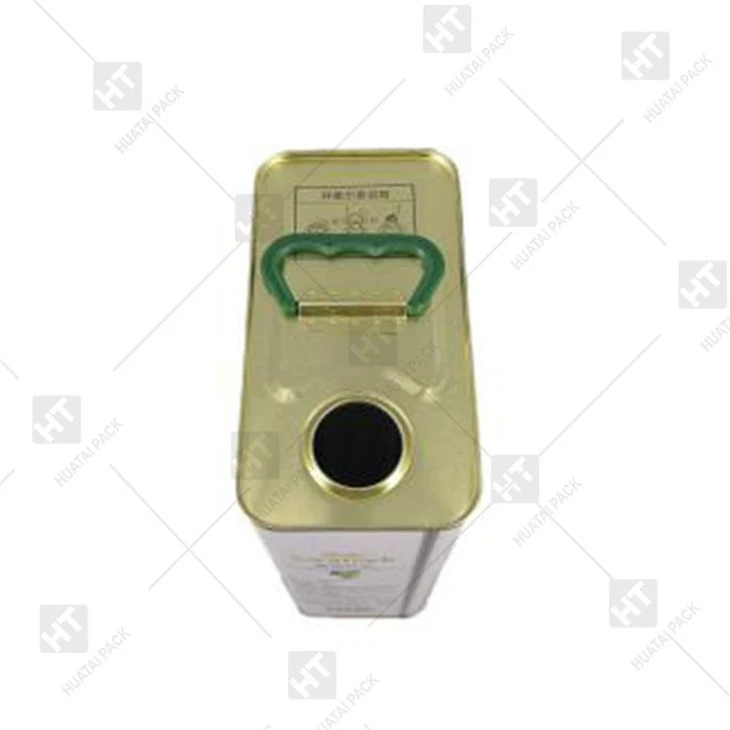
As a [Your Company Name] olive oil supplier, we are committed to providing our customers with the highest quality olive oil. Our olive oil is made from the finest olives grown in the Mediterranean region and is cold-pressed to ensure that it retains all of its natural nutrients and flavor. We offer a variety of olive oil products, including Empty Metal Oilve Oil Can, 3L Olive Oil Can, and 3L USA Empty Olive Oil Tin Can, to meet the needs of our customers.
If you are interested in learning more about our olive oil products or would like to place an order, please contact us at [Your Email Address] or [Your Phone Number]. We would be happy to answer any questions you may have and help you find the perfect olive oil for your needs.
References
- American Heart Association. (2023). Fats and Cholesterol: Out with the Bad, In with the Good. Retrieved from https://www.heart.org/en/healthy-living/healthy-eating/eat-smart/fats/fats-and-cholesterol-out-with-the-bad-in-with-the-good
- Harvard T.H. Chan School of Public Health. (2023). Fats and Cholesterol: Understanding the Issues. Retrieved from https://www.hsph.harvard.edu/nutritionsource/what-should-you-eat/fats-and-cholesterol/
- Mayo Clinic. (2023). Olive Oil: Is It Good for You? Retrieved from https://www.mayoclinic.org/healthy-lifestyle/nutrition-and-healthy-eating/in-depth/olive-oil/art-20048196
- World Health Organization. (2023). Diet, Nutrition, and the Prevention of Chronic Diseases. Retrieved from https://www.who.int/publications/i/item/9789241594904