

Is an 8oz glue can suitable for woodworking?
Aug 22, 2025
Is an 8oz Glue Can Suitable for Woodworking?
As a supplier of 8oz glue cans, I've had numerous discussions with woodworkers about the suitability of our product for their craft. Woodworking is a diverse field, ranging from delicate cabinetry to robust furniture building, and the choice of glue and its container can significantly impact the project's outcome. In this blog post, I'll delve into the factors that determine whether an 8oz glue can is the right fit for woodworking.
Understanding the Needs of Woodworking
Woodworking projects vary widely in scale, complexity, and the types of wood used. Small, intricate projects like jewelry boxes or model ships may require precise application of glue, while larger projects such as tables or bookshelves demand a sufficient quantity of glue to bond large surface areas. Additionally, different woods have unique characteristics, such as porosity and density, which can affect how they absorb and bond with glue.
Advantages of an 8oz Glue Can
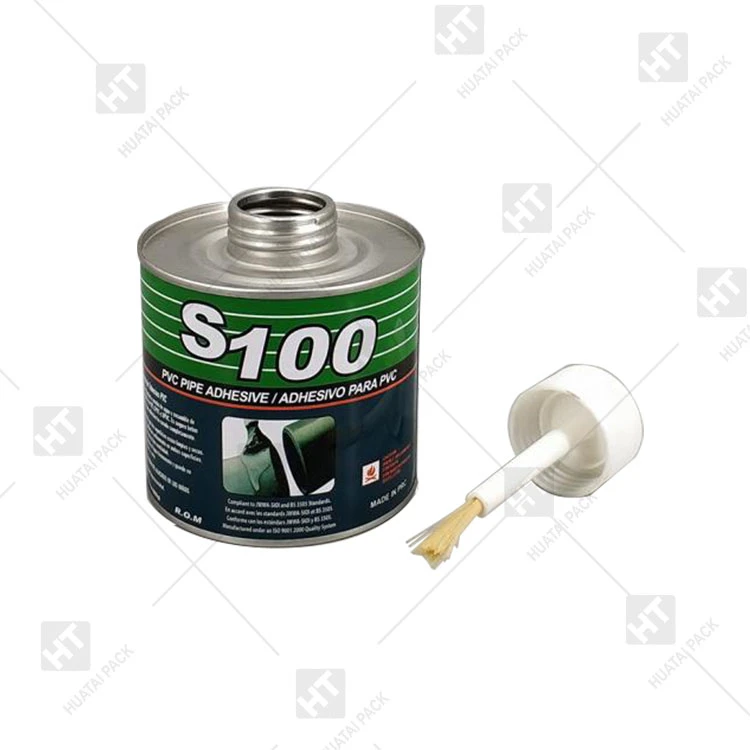
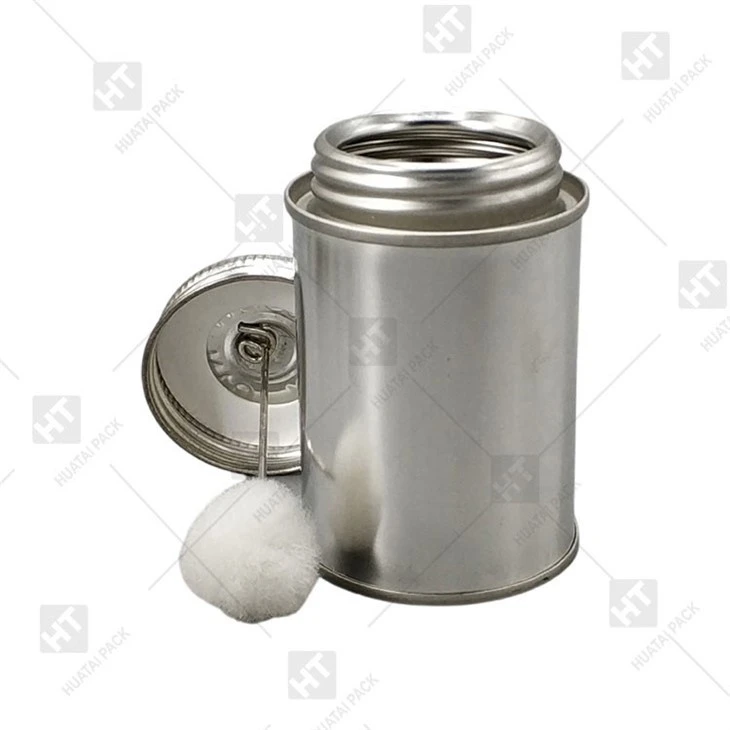
One of the primary advantages of an 8oz glue can is its portability and convenience. For woodworkers who work on-site or in small workshops, an 8oz can is easy to handle and transport. It's also a great option for small to medium-sized projects that don't require a large amount of glue. With an 8oz can, you can avoid the waste that often comes with larger containers, especially if you don't use glue frequently.
Another benefit is the cost-effectiveness. 8oz glue cans are generally more affordable than larger containers, making them an attractive option for hobbyists and DIY woodworkers on a budget. You can purchase multiple 8oz cans to have different types of glue on hand for various projects, without breaking the bank.
In terms of storage, an 8oz glue can takes up less space than larger containers. This is particularly important for woodworkers with limited storage space in their workshops. You can easily store several 8oz cans on a shelf or in a cabinet, keeping your workspace organized.
Considerations for Different Woodworking Projects
For small, detailed projects, an 8oz glue can is often the ideal choice. The smaller quantity allows for more precise control over the amount of glue used, reducing the risk of excess glue seeping out and creating a mess. For example, when assembling a small wooden box, you can carefully apply the glue to the joints, ensuring a strong bond without overdoing it.
On the other hand, for large-scale projects, such as building a dining table or a bookshelf, you may need to consider a larger container. While an 8oz can may be sufficient for some parts of the project, you may find yourself running out of glue before the project is complete. In such cases, you might want to consider using 32oz Glue Can or multiple 8oz cans to ensure you have enough glue to finish the job.
If you're working with different types of wood, you'll need to choose the right type of glue. Some woods, such as oak and maple, are dense and require a strong adhesive to create a durable bond. Other woods, like pine and cedar, are more porous and may absorb glue more readily. Make sure to select a glue that is suitable for the type of wood you're using, regardless of the container size.
Comparing with Other Container Sizes
In addition to the 8oz glue can, there are other container sizes available in the market, such as 4oz Glue Can and 16oz Pvc Can With Cap. A 4oz glue can is even more portable and cost-effective, but it may not be sufficient for larger projects. It's a great option for very small projects or for trying out a new type of glue before committing to a larger container.
A 16oz glue can offers a larger quantity of glue, which is suitable for medium to large projects. It provides a good balance between having enough glue for the job and not having too much waste. However, it's less portable than an 8oz can and may take up more storage space.
Tips for Using an 8oz Glue Can
To get the most out of your 8oz glue can, here are some tips:
- Prepare the surfaces: Before applying the glue, make sure the surfaces to be bonded are clean, dry, and free of dust and debris. This will ensure a strong bond.
- Apply the glue evenly: Use a brush or a spatula to apply the glue evenly to the surfaces. Avoid applying too much glue, as this can lead to a weaker bond and excess seepage.
- Clamp the pieces together: Once you've applied the glue, clamp the pieces together firmly to ensure a tight bond. Follow the manufacturer's instructions for the recommended clamping time.
- Clean up excess glue: If any glue seeps out during the bonding process, use a damp cloth to clean it up before it dries. This will give your project a clean and professional look.
Conclusion
In conclusion, an 8oz glue can is a versatile and practical option for many woodworking projects. It offers portability, cost-effectiveness, and ease of storage, making it a great choice for hobbyists, DIYers, and professional woodworkers alike. However, the suitability of an 8oz glue can depends on the size and complexity of your project, as well as your personal preferences and needs.
If you're unsure whether an 8oz glue can is right for your project, feel free to reach out to us. We're here to help you make the best decision for your woodworking needs. Whether you're a seasoned professional or just starting out, we can provide you with the guidance and products you need to achieve great results.
If you're interested in exploring our range of glue cans, we also offer 4oz Glue Can and 16oz Pvc Can With Cap options. These different sizes allow you to choose the one that best suits your project requirements.
We're always open to discussing your woodworking projects and helping you find the right glue and container for the job. If you have any questions or would like to start a procurement discussion, please don't hesitate to contact us. We look forward to working with you and helping you bring your woodworking ideas to life.
References
- Woodworking Magazine. (Year). "Best Glues for Woodworking."
- Glue Manufacturer's Handbook. (Year). "Guide to Using Glue in Woodworking."