

Is a tin pail a suitable hamster cage?
Aug 13, 2025
Is a tin pail a suitable hamster cage?
As a supplier of tin pails, I've often been asked whether our products can serve as suitable homes for hamsters. This question has sparked my curiosity and led me to conduct in - depth research on the topic. In this blog, I'll explore the pros and cons of using a tin pail as a hamster cage and share my findings with you.
Advantages of Using a Tin Pail as a Hamster Cage
Durability
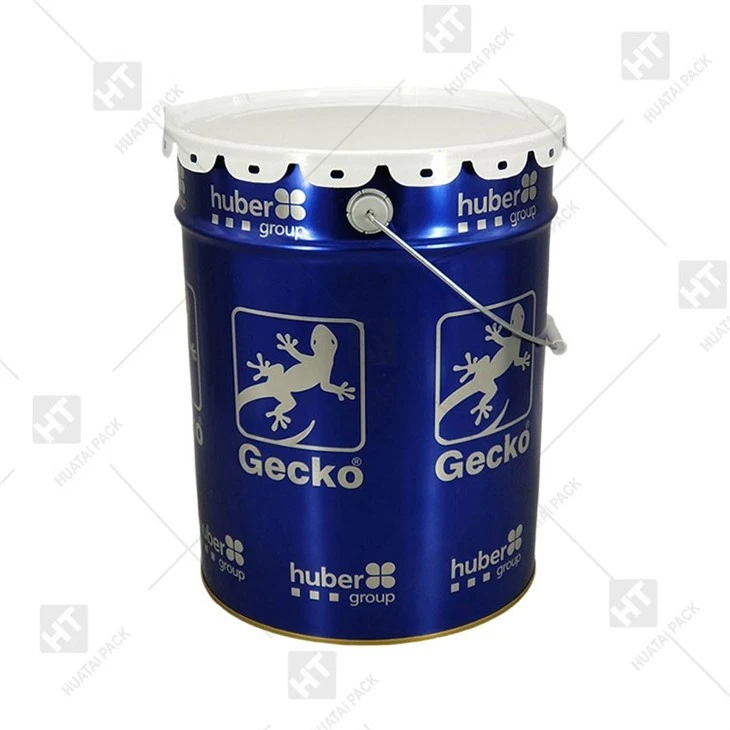
Tin pails are known for their robustness. Unlike plastic cages that can be easily chewed through by hamsters, tin pails can withstand the sharp teeth of these little rodents. Our 20L Empty Metal Open Hand Pail is made from high - quality metal, ensuring that it will last a long time, even with the constant activity of a hamster inside. This durability means that you won't have to worry about your hamster breaking out or the cage falling apart after a short period of use.
Temperature Regulation
Tin has good thermal conductivity. In cold weather, the tin pail can retain some heat, providing a relatively warm environment for the hamster. On the other hand, in hot weather, the metal can dissipate heat more quickly than some other materials, helping to keep the hamster cool. This natural temperature - regulating ability can be beneficial for the well - being of the hamster, as they are sensitive to extreme temperatures.
Easy to Clean
Cleaning a tin pail is relatively straightforward. You can simply wash it with water and mild soap, and it dries quickly. This is important for maintaining a hygienic living environment for the hamster. A clean cage helps prevent the growth of bacteria and fungi, which can cause health problems for the hamster. In contrast, some types of cages with complex designs or porous materials can be difficult to clean thoroughly.
Disadvantages of Using a Tin Pail as a Hamster Cage
Ventilation
One of the major drawbacks of using a tin pail as a hamster cage is ventilation. Tin is a solid material, and without proper holes or ventilation systems, the air inside the pail can become stale. Hamsters need fresh air to breathe, and poor ventilation can lead to respiratory problems. To address this issue, you would need to drill holes in the tin pail. However, this requires some skill and the right tools to ensure that the holes are of the appropriate size and distribution.
Lack of Visibility
Hamsters are active and curious animals, and it's important for owners to be able to observe their behavior. A tin pail provides limited visibility compared to transparent plastic or glass cages. It can be difficult to keep an eye on the hamster's activities, eating habits, and overall health. This lack of visibility may make it harder to detect early signs of illness or distress in the hamster.
Limited Space Configuration
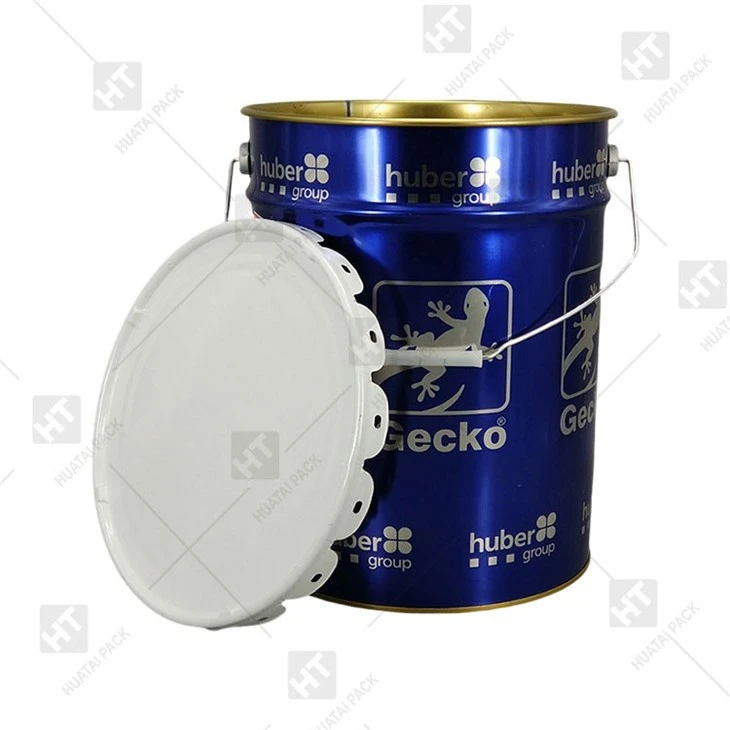
Tin pails typically have a simple, cylindrical shape. This can limit the way you set up the cage. Hamsters need space to run, play, and build nests. In a tin pail, it may be challenging to create different levels or add various accessories such as tunnels and platforms. For example, it might be difficult to install a multi - level hamster house in a 18L Metal Pail with Flower Lid due to its shape and size constraints.
Modifying a Tin Pail for Hamster Use
If you decide to use a tin pail as a hamster cage, there are several modifications you can make to make it more suitable.
Ventilation Improvement
As mentioned earlier, ventilation is crucial. You can drill small holes around the top of the pail. Make sure the holes are not too large, as you don't want the hamster to escape. A spacing of about half an inch between the holes should be sufficient to allow for air circulation. You can also attach a small mesh screen over the holes to prevent bedding and debris from falling out.
Adding Visibility
To improve visibility, you can cut a small window in the side of the pail and cover it with clear plastic or glass. This will allow you to observe the hamster more easily. Be sure to smooth the edges of the cut to prevent the hamster from getting injured.
Creating a Comfortable Interior
Line the bottom of the pail with a thick layer of suitable bedding, such as shredded paper or aspen shavings. You can also add a small wooden house or a cardboard tube for the hamster to hide in. Place a food bowl and a water bottle inside the cage. Make sure the water bottle is attached securely to the side of the pail so that it doesn't tip over.
Conclusion
In conclusion, a tin pail can be a suitable hamster cage with some modifications. While it has its advantages such as durability, temperature regulation, and ease of cleaning, it also has significant drawbacks like poor ventilation, limited visibility, and restricted space configuration. If you are willing to put in the effort to modify the tin pail to meet the needs of the hamster, it can be a viable option.
We offer a variety of tin pails, including the 20L Empty Metal Open Hand Pail, 18L Metal Pail with Flower Lid, and Tin Can For Food Ooil, which can potentially be transformed into comfortable hamster homes. If you are interested in purchasing our tin pails for this purpose or have any questions, please feel free to contact us for further details and to start a procurement discussion.
References
- "The Hamster Handbook" by Kim Schilling
- Various scientific studies on small animal housing published in journals of animal welfare and veterinary science.