

How to transport industrial oil cans?
Sep 22, 2025
Hey there! I'm an industrial oil cans supplier, and I know firsthand how crucial it is to get these cans transported safely and efficiently. Whether you're shipping a small batch or a large order, there are several key factors to consider. In this blog post, I'll share some tips and best practices on how to transport industrial oil cans.
Packaging is Key
Before you even think about shipping your oil cans, you need to make sure they're properly packaged. This not only protects the cans from damage during transit but also helps prevent spills and leaks. Here are some packaging tips to keep in mind:
- Use a sturdy outer container: Place your oil cans in a strong, durable outer container, such as a cardboard box or a wooden crate. Make sure the container is large enough to hold the cans securely and has enough cushioning material to absorb any shocks or vibrations during transport.
- Add cushioning material: Fill the empty spaces in the outer container with cushioning material, such as bubble wrap, foam peanuts, or packing paper. This helps prevent the cans from moving around and getting damaged.
- Seal the container properly: Use strong packing tape to seal the outer container tightly. Make sure all the edges and seams are sealed to prevent any moisture or dirt from getting inside.
Choose the Right Shipping Method
Once your oil cans are properly packaged, you need to choose the right shipping method. The shipping method you choose will depend on several factors, such as the size and weight of your shipment, the distance it needs to travel, and your budget. Here are some common shipping methods for industrial oil cans:
- Ground shipping: Ground shipping is the most common and cost-effective way to transport industrial oil cans. It's suitable for shipments that are not time-sensitive and can be delivered within a few days. You can choose from different carriers, such as UPS, FedEx, or DHL, depending on your location and the destination of your shipment.
- Air shipping: Air shipping is a faster option but also more expensive. It's suitable for urgent shipments that need to be delivered within a short period of time. However, there are some restrictions on shipping oil cans by air, so make sure you check with the carrier before you book your shipment.
- Ocean shipping: Ocean shipping is the most economical way to transport large quantities of industrial oil cans over long distances. It's suitable for shipments that are not time-sensitive and can be delivered within a few weeks. However, ocean shipping can be slower and more complex than other shipping methods, so make sure you work with a reliable freight forwarder.
Comply with Regulations
When transporting industrial oil cans, it's important to comply with all the relevant regulations and safety standards. This includes regulations related to packaging, labeling, and handling of hazardous materials. Here are some key regulations to keep in mind:
- DOT regulations: In the United States, the Department of Transportation (DOT) has specific regulations for shipping hazardous materials, including industrial oil cans. Make sure you follow these regulations and obtain any necessary permits or certifications before you ship your cans.
- International regulations: If you're shipping your oil cans internationally, you need to comply with the regulations of the destination country as well as any international regulations, such as the International Maritime Dangerous Goods (IMDG) Code or the International Air Transport Association (IATA) Dangerous Goods Regulations.
- Labeling requirements: All industrial oil cans must be labeled properly with the appropriate hazard warnings and handling instructions. Make sure you use the correct labels and markings and follow the labeling requirements of the shipping carrier and the destination country.
Consider Insurance
Shipping industrial oil cans can be risky, and there's always a chance that something could go wrong during transit. To protect yourself from any potential losses or damages, it's a good idea to consider purchasing insurance for your shipment. Most shipping carriers offer insurance options, but you can also purchase insurance from a third-party provider. Make sure you read the terms and conditions of the insurance policy carefully and understand what's covered and what's not.
Work with a Reliable Partner
Finally, when it comes to transporting industrial oil cans, it's important to work with a reliable partner. Look for a shipping company or a freight forwarder that has experience in handling hazardous materials and has a good reputation in the industry. They should be able to provide you with all the necessary support and guidance throughout the shipping process, from packaging and labeling to customs clearance and delivery.
Our Products
As an industrial oil cans supplier, we offer a wide range of high-quality products to meet your needs. Here are some of our popular products:
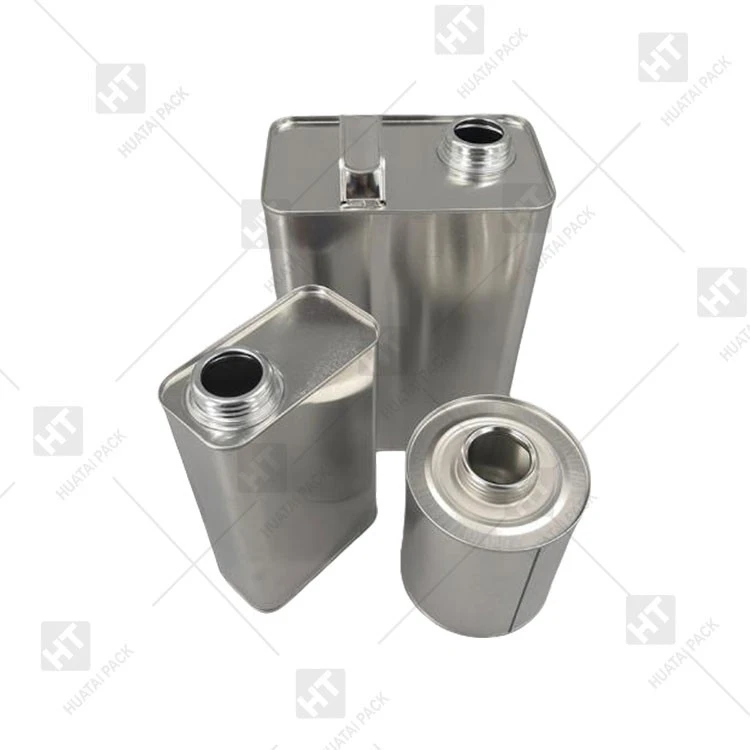
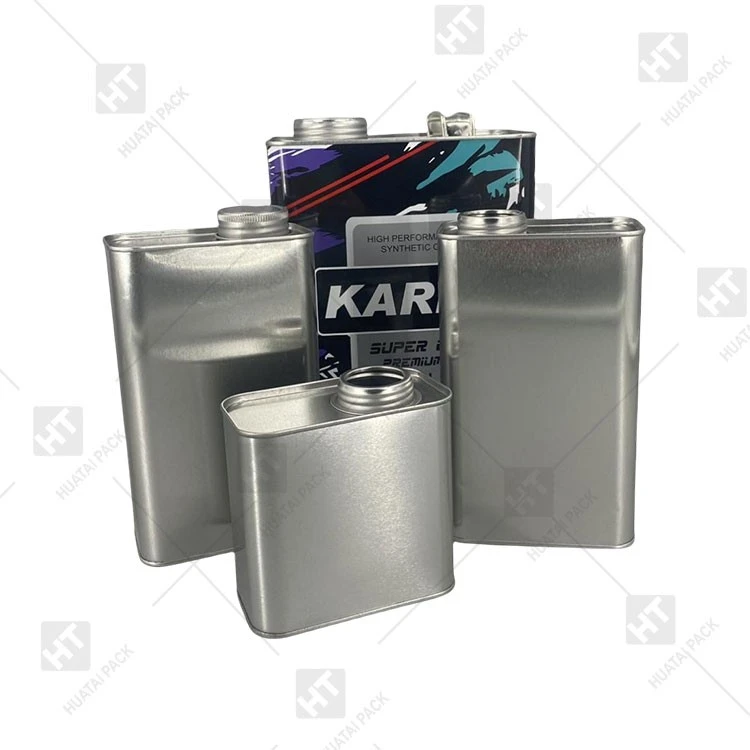
- 1L Metal Empty Oil Can With Plastic Cap: This can is made of high-quality metal and comes with a plastic cap for easy sealing. It's perfect for storing and transporting small quantities of oil.
- 1L Motor Oil Can: This can is specifically designed for storing and transporting motor oil. It's made of durable material and has a tight-fitting lid to prevent spills and leaks.
- Rectangular Container For Engine Oil: This container is ideal for storing and transporting larger quantities of engine oil. It's made of strong plastic and has a rectangular shape for easy stacking and storage.
If you're interested in purchasing our products or have any questions about transporting industrial oil cans, please don't hesitate to contact us. We're here to help you find the best solutions for your needs.
References
- Department of Transportation (DOT) regulations
- International Maritime Dangerous Goods (IMDG) Code
- International Air Transport Association (IATA) Dangerous Goods Regulations