

How to thin the glue in a 16oz can if it's too thick?
Aug 12, 2026
As a supplier of 16oz glue cans, I often receive inquiries from customers about what to do when the glue in these cans becomes too thick. Thick glue can be a real headache, as it may not spread evenly or bond effectively. In this blog, I'll share some practical and scientific methods to thin the glue in a 16 - oz can.
Understanding the Reasons for Thick Glue
Before we dive into the solutions, it's important to understand why the glue might have thickened. There are several common factors. First, exposure to air can cause the solvent in the glue to evaporate, leading to an increase in the concentration of the adhesive components and thus thickening the glue. Second, temperature changes can also affect the viscosity of the glue. Cold temperatures can make the glue more viscous, while high - temperature storage for an extended period might cause chemical reactions that thicken the glue.
Methods to Thin the Glue
1. Using a Compatible Solvent
The most straightforward way to thin the glue is by using a compatible solvent. Different types of glue require different solvents.
-
For Water - Based Glues: Water is the simplest and most readily available solvent. You can gradually add small amounts of water to the 16 - oz can of thick glue. Start by adding about a teaspoon at a time, then stir the glue thoroughly. Use a stir stick or a small spatula to ensure that the water is evenly distributed throughout the glue. Keep adding water in small increments until you reach the desired consistency. It's important not to add too much water at once, as this can make the glue too thin and reduce its adhesive strength.
-
For Solvent - Based Glues: You need to use a solvent that is specifically formulated for the type of glue you have. For example, if it's a PVC glue, a PVC solvent can be used. Check the product label of the glue to see what type of solvent is recommended. Similar to adding water to water - based glues, add the solvent in small amounts and stir well after each addition. Some common solvents for solvent - based glues include acetone, toluene, or xylene. However, these solvents are flammable and toxic, so proper safety precautions such as working in a well - ventilated area and wearing gloves and a mask should be taken.
2. Heating the Glue
Heating can also be an effective way to thin the glue. However, this method needs to be done carefully to avoid overheating and damaging the glue.
-
Warm Water Bath: Fill a container with warm (not hot) water. Place the 16 - oz glue can in the warm water bath. Make sure the water level is below the can's lid to prevent water from getting into the glue. Let the can sit in the warm water for 10 - 15 minutes. As the glue warms up, its viscosity will decrease. You can gently shake the can from time to time to help distribute the heat evenly. After 15 minutes, check the consistency of the glue. If it's still too thick, you can repeat the process for a few more minutes.
-
Using a Heat Gun (with Caution): A heat gun can also be used to heat the glue, but this method is more dangerous and requires more skill. Set the heat gun to a low setting and hold it about 6 - 8 inches away from the can. Slowly move the heat gun around the can to heat it evenly. Keep a close eye on the glue's consistency. Once it starts to thin, stop heating immediately. Overheating can cause the glue to break down or even catch fire, so this method should only be used by experienced individuals.
Preparing the Glue Can
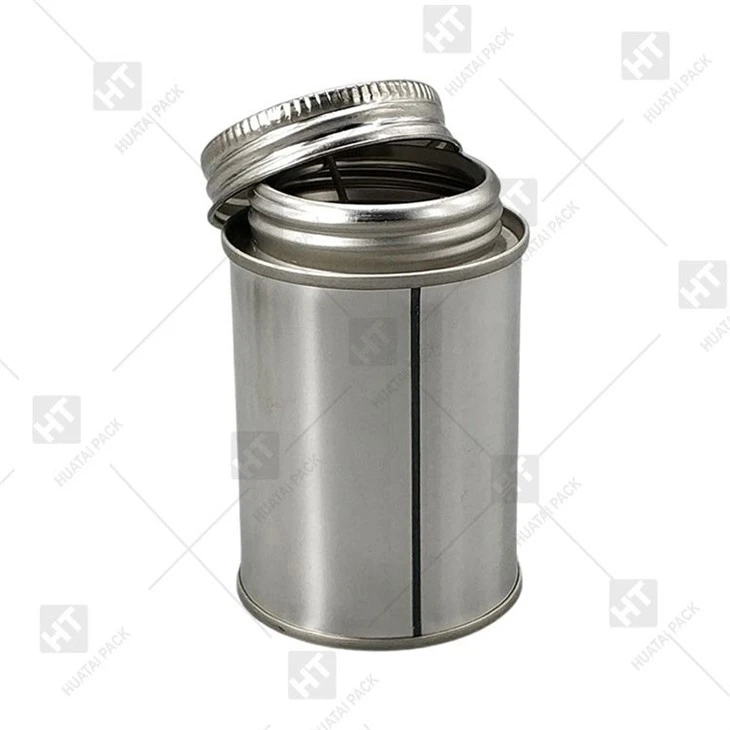
As a supplier, we offer various types of glue cans, such as the Flat Top Adhesive Tin Can With Lid, 4oz Glue Can, Pvc Can, 4oz Pvc Can With Cap, and 16oz Pvc Can With Cap. When thinning the glue, make sure the can is clean and in good condition. If there is any debris or dried glue on the inside of the can, it can affect the thinning process. You can use a clean cloth or a small brush to clean the inside of the can before adding any solvents or starting the heating process.
Testing the Thinned Glue
After thinning the glue, it's crucial to test its performance. Apply a small amount of the thinned glue to a test surface, such as a piece of cardboard or a scrap of the material you plan to bond. Check if the glue spreads evenly and bonds effectively. If the glue is still too thick or doesn't bond well, you may need to repeat the thinning process or adjust the amount of solvent or heat used.

Storing the Thinned Glue
Once you've successfully thinned the glue, proper storage is essential to prevent it from thickening again. Make sure the can is tightly sealed to prevent air from getting in. Store the glue in a cool, dry place away from direct sunlight. If possible, keep the temperature of the storage area relatively stable.
Conclusion
Thinning thick glue in a 16 - oz can is not a difficult task if you follow the right methods. Whether you choose to use a compatible solvent or heat the glue, always take safety precautions and test the thinned glue before using it on your project. As a reliable supplier of glue cans, we are committed to providing high - quality products and helping our customers solve their glue - related problems.
If you are interested in purchasing our 16oz glue cans or other related products, we welcome you to contact us for further discussion. We look forward to working with you to meet your adhesive needs.