

How to store engine oil cans in a hot climate?
Aug 21, 2025
Storing engine oil cans in a hot climate can be a real challenge. As an engine oil can supplier, I've seen firsthand the issues that can arise when these cans aren't stored properly. In this blog, I'll share some tips on how to store engine oil cans effectively in high - temperature conditions.
Understanding the Impact of Heat on Engine Oil Cans
First off, let's talk about why heat is such a big deal when it comes to storing engine oil cans. High temperatures can cause a whole host of problems. For starters, heat can accelerate the chemical reactions inside the oil. This can lead to oxidation, which breaks down the oil's additives and reduces its effectiveness. Oxidized oil can form sludge and deposits, which can clog up your engine and cause serious damage over time.
Another issue is that heat can cause the oil to expand. If the engine oil cans aren't designed to handle this expansion, they can bulge or even burst. This not only creates a mess but also poses a safety hazard. And let's not forget about the impact of heat on the can itself. Prolonged exposure to high temperatures can weaken the metal of the can, making it more prone to corrosion and leaks.
Choosing the Right Engine Oil Cans
When you're dealing with a hot climate, choosing the right type of engine oil cans is crucial. At our company, we offer a variety of options that are designed to withstand high temperatures.
One great choice is the 18L Square Tinplate Barrel Cans. These cans are made from high - quality tinplate, which is known for its durability and resistance to corrosion. The square shape also provides better stability during storage, reducing the risk of the cans tipping over.
If you're looking for something a bit different, our Rectangular Tin Cans are a popular option. They offer a larger surface area for labeling, which can be useful for branding and product identification. The rectangular design also allows for more efficient packing and storage.
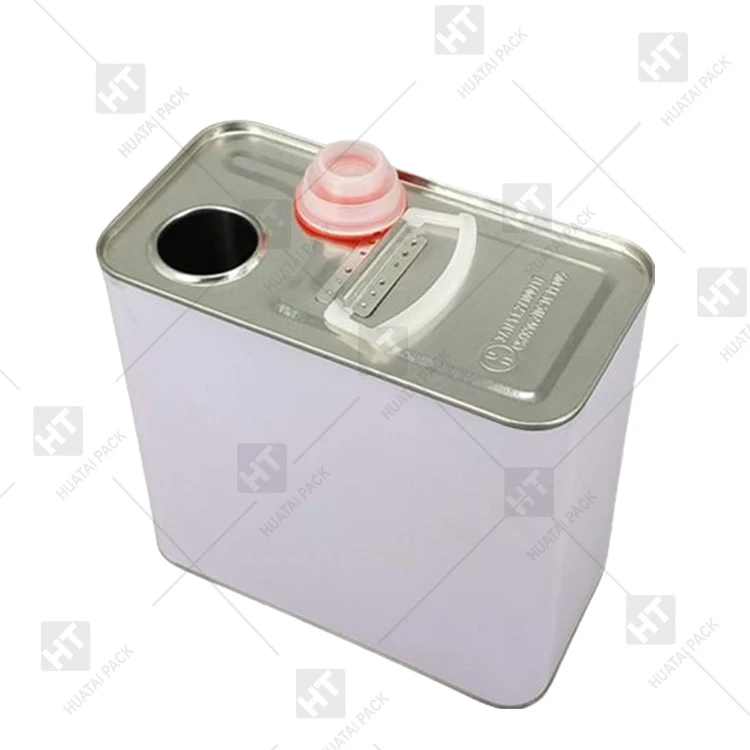
And for those who want a stylish and functional option, our F Style Metal Oil Tin Cans are a top pick. These cans are made from strong metal and have a unique F - style design that not only looks great but also provides extra protection for the oil inside.
Storage Location
The location where you store your engine oil cans can make a huge difference. The ideal storage place should be cool, dry, and well - ventilated. Avoid storing the cans in direct sunlight or near sources of heat, such as radiators, furnaces, or hot machinery.
If possible, store the cans in a basement or an underground storage area. These places tend to be cooler than above - ground spaces, especially during the hot summer months. If a basement isn't an option, you can also consider using a climate - controlled storage unit. These units allow you to maintain a consistent temperature and humidity level, which is great for preserving the quality of the engine oil.
When storing the cans, make sure they are placed on a flat and stable surface. This helps prevent them from tipping over and reduces the risk of damage. You can also stack the cans, but be careful not to stack them too high. Over - stacking can put too much pressure on the bottom cans, causing them to deform or leak.

Storage Conditions
In addition to the location, the storage conditions also play a vital role. The temperature in the storage area should be kept as low as possible. Ideally, the temperature should be below 80°F (27°C). If the temperature rises above this level, the risk of oil oxidation and can damage increases significantly.
Humidity is another factor to consider. High humidity can cause the metal cans to rust, which can lead to leaks and contamination of the oil. To control humidity, you can use a dehumidifier in the storage area. This will help keep the air dry and prevent rust from forming on the cans.
It's also important to keep the storage area clean. Remove any dirt, debris, or spills immediately. This helps prevent the growth of bacteria and other contaminants that could potentially affect the quality of the engine oil.
Regular Inspections
Even if you've taken all the necessary precautions, it's still a good idea to conduct regular inspections of your engine oil cans. Check for any signs of damage, such as dents, bulges, or leaks. If you notice any issues, remove the affected cans from the storage area immediately to prevent further damage or contamination.
Inspect the seals on the cans as well. A loose or damaged seal can allow air and moisture to enter the can, which can lead to oil oxidation. If you find a can with a faulty seal, transfer the oil to a new can as soon as possible.
Conclusion
Storing engine oil cans in a hot climate requires careful planning and attention to detail. By choosing the right cans, finding a suitable storage location, maintaining proper storage conditions, and conducting regular inspections, you can ensure that your engine oil remains in good condition for a long time.
If you're in the market for high - quality engine oil cans that are designed to withstand hot climates, we'd love to hear from you. Whether you're a small garage or a large automotive company, we have the products and expertise to meet your needs. Contact us today to start a conversation about your engine oil can requirements. We're here to help you find the best solutions for your business.
References
- ASTM International. (2020). Standard Practices for Sampling and Handling of Petroleum Products and Lubricants.
- Society of Automotive Engineers (SAE). (2019). Engine Oil Viscosity Classification.