

How to store a 1l 4l square tin can properly?
Sep 04, 2025
As a supplier of 1L and 4L square tin cans, I understand the importance of proper storage for these products. Whether you're a business looking to stock up on packaging or an individual who needs to store a few cans for personal use, following the right storage practices can ensure the longevity and quality of the tin cans. In this blog post, I'll share some valuable tips on how to store 1L and 4L square tin cans properly.
Understanding the Structure of Square Tin Cans
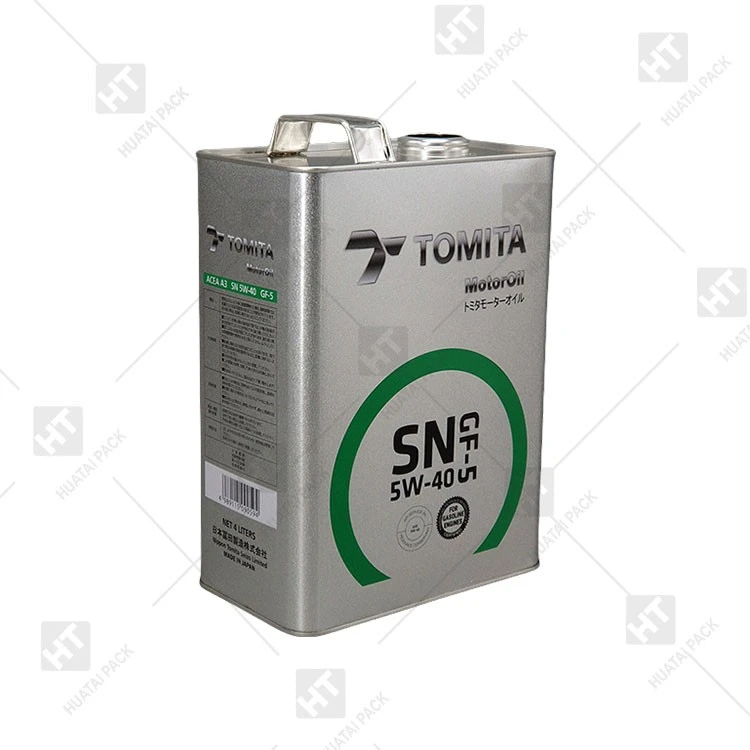
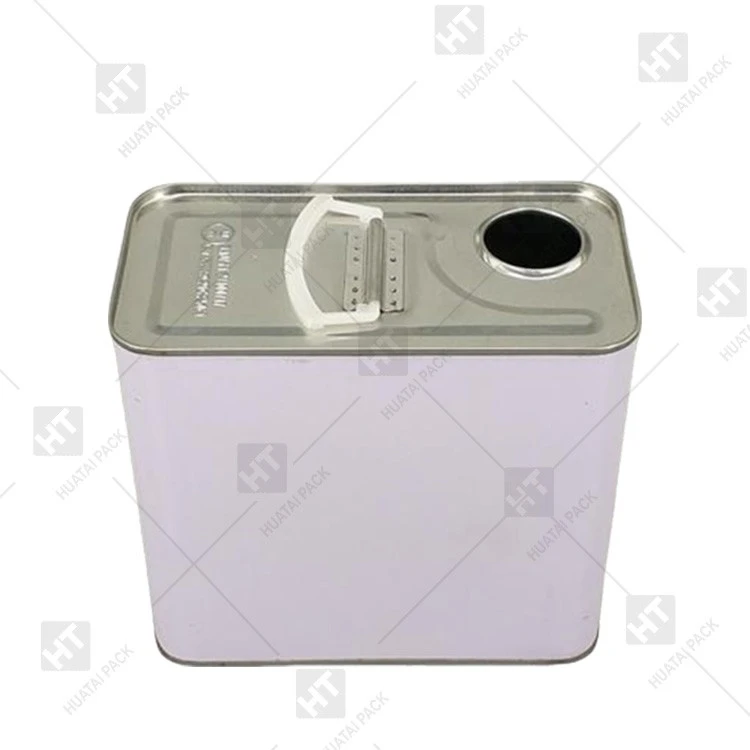
Before delving into storage methods, it's essential to understand the structure of square tin cans. Our F Style Metal Oil Tin Cans are made from high - quality tinplate, which provides durability and protection for the contents. The square shape offers efficient use of space, making them ideal for storage and transportation. The 1L and 4L sizes are versatile and can be used for a variety of products, from food items to industrial oils.
Ideal Storage Environment
The first step in proper storage is to find the right environment. Square tin cans should be stored in a cool, dry place. Excessive heat can cause the tinplate to expand and contract, which may lead to damage over time. High humidity can also be detrimental as it can cause rusting. A temperature range between 10°C - 25°C (50°F - 77°F) is considered ideal.
If possible, store the cans away from direct sunlight. Ultraviolet rays can cause the labels on the cans to fade and may also have a long - term impact on the integrity of the tinplate. For example, in a warehouse setting, you can use blinds or curtains to block out sunlight.
Stacking Considerations
When stacking 1L and 4L square tin cans, it's important to be mindful of the weight distribution. The cans are designed to be stacked, but over - stacking can lead to deformation of the lower cans. For the 1L square tin cans, you can stack them in columns of up to 10 cans high, depending on the strength of the floor and the stability of the stacking.
For the 4L square tin cans, since they are larger and heavier, limit the stack height to 5 - 6 cans. Make sure the stacks are stable and not leaning to one side. You can use pallets to stack the cans, which provides a stable base and makes it easier to move the cans around using forklifts or pallet jacks.
Protection from Physical Damage
During storage, the cans need to be protected from physical damage. Avoid storing them in areas where they can be bumped or knocked over. If you're using a storage rack, make sure the shelves are smooth and free of sharp edges that could scratch the cans.
You can also use dividers or partitions to separate the cans. This not only protects them from each other but also makes it easier to access specific cans when needed. For instance, if you're storing different products in the cans, using dividers can help you organize them better.
Inventory Management
Proper inventory management is crucial for the storage of square tin cans. Implement a first - in, first - out (FIFO) system. This means that the cans that were received first should be used or shipped out first. This helps to prevent the cans from sitting in storage for too long, which could increase the risk of damage.
Regularly inspect the inventory for any signs of damage or rust. If you notice any damaged cans, remove them from the storage area immediately to prevent the problem from spreading to other cans. You can also keep a record of the inventory, including the date of receipt, quantity, and any relevant product information.
Use of Desiccants
To further protect the cans from humidity, you can use desiccants. Silica gel packets are a common and effective desiccant. Place a few silica gel packets in the storage area or directly inside the boxes where the cans are stored. The desiccants will absorb any excess moisture, helping to keep the environment dry.
Special Considerations for Filled Cans
If the 1L or 4L square tin cans are filled with products, additional precautions need to be taken. For food - filled cans, ensure that the storage area is clean and free from pests. Pests can damage the cans and contaminate the food inside.
For cans filled with industrial products, such as oils or chemicals, make sure the storage area is well - ventilated. Some industrial products may release fumes, and proper ventilation can prevent the build - up of harmful gases.
Labeling and Organization
Proper labeling is essential for easy identification and organization. Label each can or the boxes containing the cans with information such as the product name, quantity, date of production, and expiration date (if applicable). This makes it easier to manage the inventory and ensures that you can quickly find the cans you need.
You can also use color - coding or barcodes for better organization. For example, you can assign different colors to different product lines or use barcodes to track the movement of the cans in the storage area.
Benefits of Proper Storage
Proper storage of 1L and 4L square tin cans offers several benefits. Firstly, it ensures the quality of the cans. When the cans are stored correctly, they are less likely to be damaged, which means they can be used for their intended purpose without any issues.
Secondly, it helps to reduce costs. By preventing damage and rusting, you avoid having to replace damaged cans, which can save money in the long run. Additionally, proper storage improves the efficiency of inventory management, making it easier to keep track of your stock.
Conclusion
Storing 1L and 4L square tin cans properly is essential for maintaining their quality and ensuring their longevity. By following the tips mentioned above, you can create an ideal storage environment for these cans. Whether you're a business owner or an individual, taking the time to store the cans correctly will pay off in the long run.
If you're interested in purchasing our 1L Square Tin Can or Rectangular Tin Cans, we're here to assist you. Our products are of high quality and come with excellent customer service. Please feel free to reach out to us for more information and to start a procurement discussion.
References
- Tinplate Packaging Association: Guidelines on Tin Can Storage
- Industry Best Practices for Metal Packaging Storage