

How to set up a tin pail as a fish tank?
Nov 14, 2025
Setting up a tin pail as a fish tank can be a creative and cost - effective way to start a small aquatic ecosystem. As a tin pail supplier, I've seen many customers transform these simple containers into beautiful homes for their fish. In this blog, I'll guide you through the process of setting up a tin pail as a fish tank, from choosing the right pail to maintaining a healthy environment for your fish.
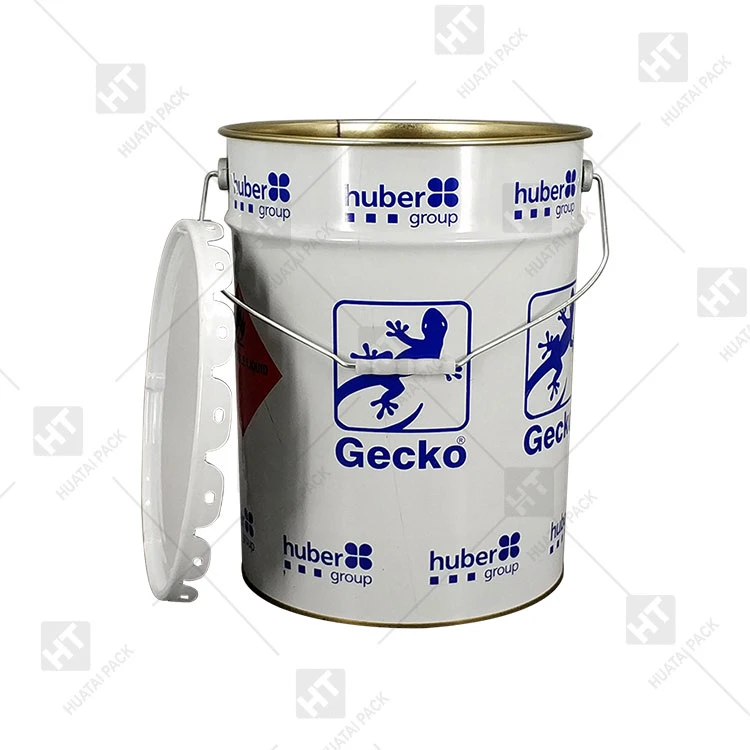
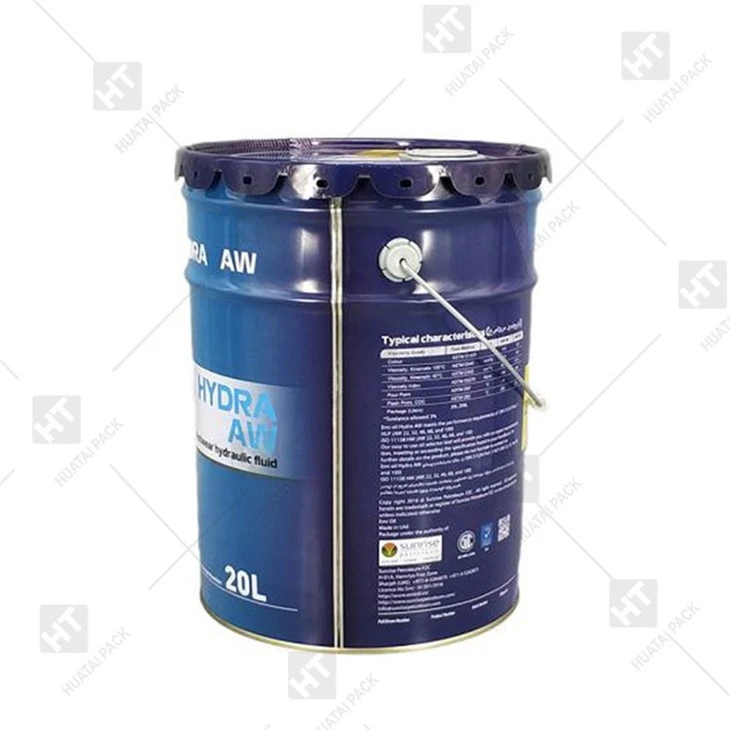
Choosing the Right Tin Pail
The first step in setting up a tin pail as a fish tank is selecting the appropriate pail. You need to consider the size, material, and condition of the pail.
- Size: The size of the tin pail will determine how many and what type of fish you can keep. A larger pail will provide more space for the fish to swim and grow. For a beginner, a pail with a capacity of at least 5 gallons (about 19 liters) is recommended. This size can comfortably house a small number of small - sized fish.
- Material: Make sure the tin pail is made of food - grade or non - toxic metal. Some pails may have been previously used to store chemicals or other harmful substances. Avoid using such pails as they can leach toxins into the water and harm your fish. You can find a variety of suitable tin pails on our website. For example, the Engine Oil Metal Pail and Empty Metal Pail with Flower Lid can be good options if they are clean and made of the right material.
- Condition: Inspect the pail for any dents, holes, or rust. Dents can make it difficult to clean the pail, and holes will cause water leakage. Rust can also contaminate the water. If you find a pail with minor rust, you can try to remove it using a rust remover and then thoroughly rinse the pail.
Preparing the Tin Pail
Once you have chosen the right tin pail, it's time to prepare it for use as a fish tank.
- Cleaning: Wash the pail thoroughly with warm, soapy water. Use a mild dish soap that is free of harsh chemicals. Rinse the pail several times to ensure that all the soap is removed. You can also soak the pail in a solution of water and vinegar for a few hours to further disinfect it. After soaking, rinse the pail again with clean water.
- Sealing: If the pail has any seams or joints, you may want to seal them to prevent water leakage. You can use a non - toxic aquarium sealant for this purpose. Apply the sealant according to the manufacturer's instructions and let it dry completely before proceeding.
Setting Up the Fish Tank
Now that the pail is clean and ready, it's time to set up the fish tank.
- Substrate: Add a layer of substrate to the bottom of the pail. Gravel or sand is a popular choice. The substrate not only adds aesthetic appeal but also provides a place for beneficial bacteria to grow. These bacteria help to break down fish waste and keep the water clean. Rinse the substrate thoroughly before adding it to the pail to remove any dust or debris.
- Decorations: You can add some decorations to the fish tank to make it more interesting for the fish. Rocks, driftwood, and artificial plants are all good options. Make sure that the decorations are clean and non - toxic. You can also create hiding places for the fish using these decorations.
- Filtration System: A filtration system is essential for maintaining a healthy fish tank. It helps to remove waste, excess food, and other debris from the water. You can choose a small, hang - on - back filter or a sponge filter that is suitable for the size of your pail. Install the filtration system according to the manufacturer's instructions.
- Heating and Lighting: Depending on the type of fish you plan to keep, you may need to provide heating and lighting. Tropical fish require a warmer water temperature, so you may need to use a small aquarium heater. Lighting is important for the growth of plants in the tank and also helps to create a natural environment for the fish. You can use a small LED light fixture.
Adding Water and Cycling the Tank
After setting up the tank, it's time to add water and cycle the tank.
- Adding Water: Fill the pail with dechlorinated water. You can use a water conditioner to remove chlorine and chloramines from tap water. The water temperature should be appropriate for the type of fish you plan to keep.
- Cycling the Tank: Cycling the tank is the process of establishing a colony of beneficial bacteria in the tank. These bacteria convert harmful ammonia (produced by fish waste) into less harmful nitrites and then into nitrates. You can cycle the tank by adding a small amount of fish food or pure ammonia to the water. Test the water regularly using a water testing kit to monitor the levels of ammonia, nitrites, and nitrates. The cycling process can take several weeks. Once the ammonia and nitrite levels are zero and the nitrate levels are stable, the tank is ready for fish.
Choosing and Adding Fish
When the tank is cycled, you can choose the fish for your tank.
- Selecting Fish: Choose fish that are suitable for the size of your pail and the water conditions. Small, peaceful fish such as guppies, tetras, and white cloud mountain minnows are good choices for a small tin pail fish tank. Avoid overcrowding the tank, as this can lead to poor water quality and stress for the fish.
- Acclimating Fish: Before adding the fish to the tank, you need to acclimate them to the water temperature and chemistry of the tank. Float the bag containing the fish in the tank for about 15 - 20 minutes to equalize the temperature. Then, gradually add small amounts of tank water to the bag over a period of 30 minutes. Finally, gently release the fish into the tank.
Maintaining the Fish Tank
Maintaining a fish tank is an ongoing process.
- Water Changes: Regular water changes are important for maintaining good water quality. You should change about 10 - 20% of the water in the tank every week. Use a siphon to remove debris from the substrate during water changes.
- Feeding: Feed your fish the appropriate amount of food. Overfeeding can lead to poor water quality. Feed the fish small amounts of food several times a day, and only give them what they can eat in a few minutes.
- Monitoring Water Quality: Test the water regularly using a water testing kit to monitor the levels of ammonia, nitrites, nitrates, pH, and other parameters. Make adjustments as needed to keep the water conditions stable.
Conclusion
Setting up a tin pail as a fish tank can be a fun and rewarding project. With the right pail, proper setup, and regular maintenance, you can create a beautiful and healthy home for your fish. If you are interested in purchasing tin pails for your fish tank or have any questions about the process, please feel free to contact us for more information and to discuss your purchasing needs. We are here to help you every step of the way.
References
- "The Complete Guide to Freshwater Aquariums" by David E. Boruchowitz
- "Aquarium Fish: A Guide to Selection, Care, and Breeding" by Dr. Herbert R. Axelrod