

How to repair a damaged closed metal pail?
Aug 28, 2025
As a seasoned supplier of closed metal pails, I've witnessed firsthand the durability and reliability these containers offer. However, like any product, they can sometimes sustain damage. Whether it's a dent from a rough handling incident, a small puncture, or a problem with the lid, knowing how to repair a damaged closed metal pail can save you time and money. In this blog post, I'll share some practical tips and techniques for mending these essential containers.
Assessing the Damage
The first step in repairing a closed metal pail is to assess the extent of the damage. This will help you determine the best course of action. Here are some common types of damage and how to identify them:
- Dents: Dents are one of the most common types of damage to metal pails. They can occur during transportation, storage, or handling. To identify a dent, look for a visible depression in the surface of the pail. Dents can range in size from small, shallow dings to large, deep indentations.
- Punctures: Punctures are holes in the metal of the pail. They can be caused by sharp objects, such as nails or tools, or by excessive pressure. To identify a puncture, look for a small hole or tear in the surface of the pail. Punctures can be difficult to see, especially if they are small, so it's important to inspect the pail carefully.
- Lid Damage: The lid of a closed metal pail is an important part of the container. It helps to keep the contents of the pail secure and protected. Lid damage can include cracks, chips, or missing parts. To identify lid damage, look for visible signs of wear or tear on the lid. You may also notice that the lid doesn't fit properly or that it's difficult to open or close.
Repairing Dents
If you've identified a dent in your closed metal pail, there are several methods you can use to repair it. Here are some of the most common techniques:
- Using a Rubber Mallet: One of the simplest ways to repair a dent in a metal pail is to use a rubber mallet. Start by placing the pail on a flat, stable surface. Then, use the rubber mallet to gently tap the dent from the outside of the pail. Work your way around the dent, applying even pressure with the mallet. Be careful not to hit the pail too hard, as this could cause further damage.
- Using a Plunger: Another method for repairing a dent in a metal pail is to use a plunger. Start by wetting the plunger and the surface of the pail around the dent. Then, place the plunger over the dent and press down firmly. Pull up on the plunger quickly, using a sudden, sharp motion. This should create a vacuum that will help to pop the dent out. Repeat this process several times if necessary.
- Using a Hairdryer and Compressed Air: If the dent in your metal pail is small and shallow, you may be able to repair it using a hairdryer and compressed air. Start by heating the area around the dent with the hairdryer. Hold the hairdryer about 6 inches away from the pail and move it back and forth over the dent for several minutes. This will cause the metal to expand. Then, use a can of compressed air to cool the area around the dent quickly. This will cause the metal to contract, which should help to pop the dent out.
Repairing Punctures
If you've identified a puncture in your closed metal pail, it's important to repair it as soon as possible to prevent the contents of the pail from leaking. Here are some methods you can use to repair a puncture:
- Using a Metal Patch: One of the most common ways to repair a puncture in a metal pail is to use a metal patch. Start by cleaning the area around the puncture with a wire brush or sandpaper. This will help to remove any dirt, rust, or paint from the surface of the pail. Then, cut a piece of metal patch that is slightly larger than the puncture. Place the patch over the puncture and use a rivet gun or welding equipment to attach it to the pail.
- Using a Sealant: Another method for repairing a puncture in a metal pail is to use a sealant. Start by cleaning the area around the puncture with a wire brush or sandpaper. Then, apply a thin layer of sealant to the surface of the pail around the puncture. Use a putty knife or other tool to spread the sealant evenly over the puncture. Allow the sealant to dry completely before using the pail.
Repairing Lid Damage
If you've identified lid damage in your closed metal pail, there are several methods you can use to repair it. Here are some of the most common techniques:
- Using a Replacement Lid: If the lid of your metal pail is severely damaged, you may need to replace it with a new one. You can purchase replacement lids from most hardware stores or online retailers. Make sure to choose a lid that is the same size and shape as the original lid.
- Using a Sealant: If the lid of your metal pail has a small crack or chip, you may be able to repair it using a sealant. Start by cleaning the area around the crack or chip with a wire brush or sandpaper. Then, apply a thin layer of sealant to the surface of the lid around the crack or chip. Use a putty knife or other tool to spread the sealant evenly over the crack or chip. Allow the sealant to dry completely before using the pail.
- Using a Hinge Repair Kit: If the hinge of your metal pail is damaged, you may be able to repair it using a hinge repair kit. These kits are available at most hardware stores and online retailers. Follow the instructions included with the kit to repair the hinge.
Preventing Future Damage
Once you've repaired your damaged closed metal pail, it's important to take steps to prevent future damage. Here are some tips to help you keep your metal pails in good condition:
- Handle with Care: When handling metal pails, be careful not to drop them or subject them to excessive force. Use proper lifting techniques and avoid dragging the pails across rough surfaces.
- Store Properly: Store your metal pails in a dry, cool place. Avoid storing them in direct sunlight or in areas where they may be exposed to moisture or extreme temperatures.
- Inspect Regularly: Regularly inspect your metal pails for signs of damage. Look for dents, punctures, lid damage, or other issues. If you notice any damage, repair it as soon as possible to prevent further problems.
Conclusion
Repairing a damaged closed metal pail is a relatively simple process that can save you time and money. By following the tips and techniques outlined in this blog post, you can repair dents, punctures, and lid damage in your metal pails and keep them in good condition for years to come.
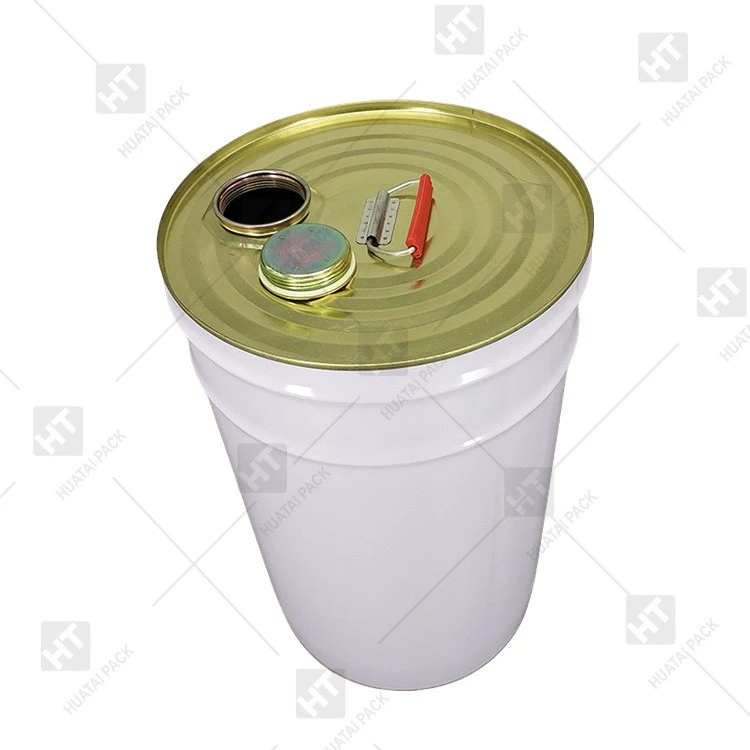
If you're in the market for high-quality closed metal pails, look no further. As a leading supplier, we offer a wide range of Closed Metal Pail options, including 5gallon Metal Pail and Metal Drum For Engine Oil. Our products are built to last and are designed to meet the needs of various industries.

If you have any questions or would like to discuss your specific requirements, please don't hesitate to reach out. We're here to help you find the perfect solution for your storage and transportation needs.
References
- "Metalworking for Beginners" by James Smith
- "Handbook of Metal Repair Techniques" by John Doe
- Manufacturer's guidelines for closed metal pails