

How to prevent leakage from industrial oil cans?
Nov 14, 2025
Hey there! As an industrial oil cans supplier, I've seen my fair share of issues with oil can leakage. It's a real pain in the neck, not just for us suppliers but also for our customers. Leakage can lead to product loss, environmental damage, and even safety hazards. So, in this blog post, I'm gonna share some tips on how to prevent leakage from industrial oil cans.
Choose the Right Can Design
First things first, the design of the oil can matters a whole lot. You gotta pick a can that's well - made and suitable for the type of oil it'll hold. For example, if you're dealing with engine oil, our 1L Engine Oil Round Tin Can is a great option. The round shape provides better structural integrity compared to some other shapes. It distributes the pressure evenly, reducing the chances of the can getting dented or damaged, which could lead to leaks.
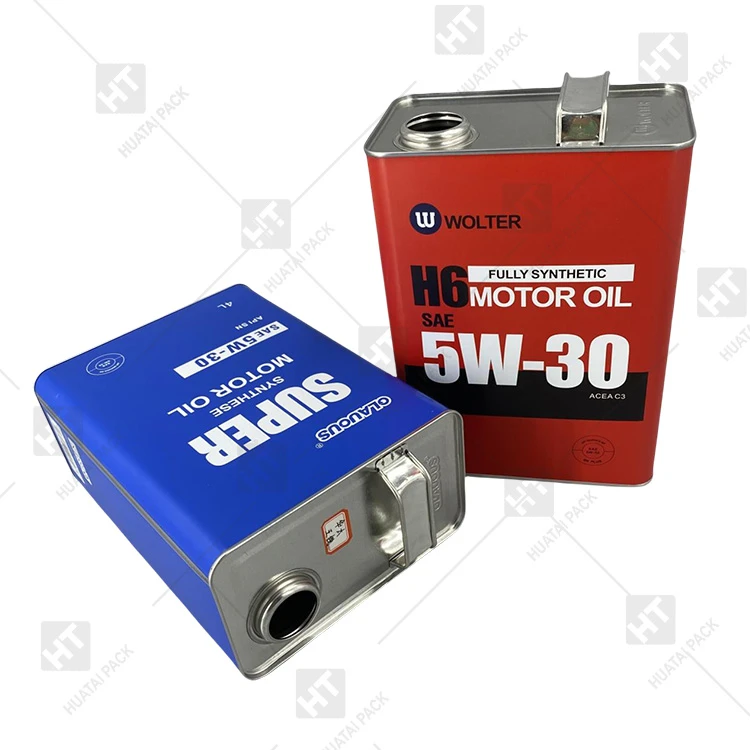
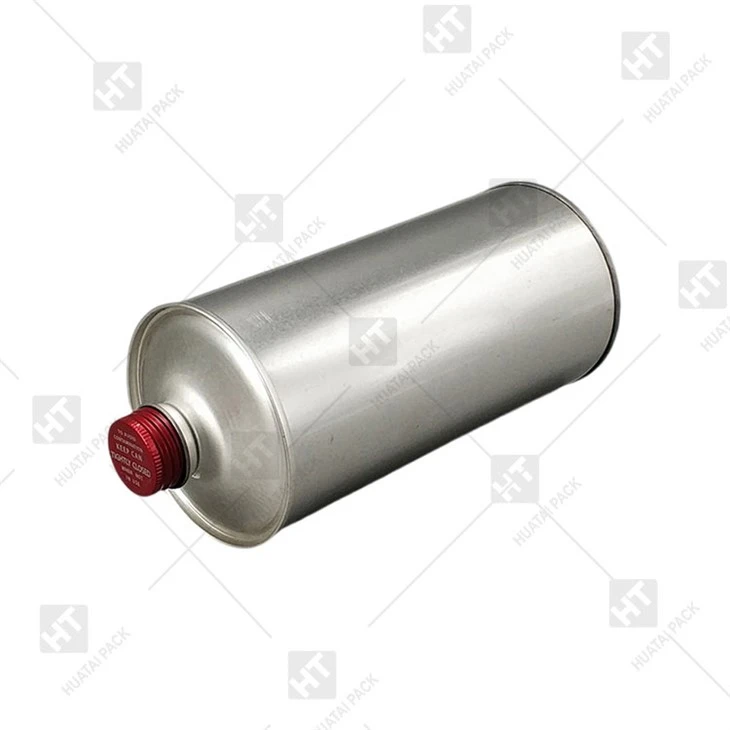
Another good choice is the 1L Motor Oil Can. It's designed specifically for motor oil, with a tight - fitting lid and a sturdy body. The lid is crucial as it's the first line of defense against leakage. A well - sealed lid prevents oil from seeping out, even if the can is jostled around during transportation or storage.
If you prefer a different shape, our Square Engine Oil Can is also a solid pick. It offers a larger surface area for labeling and can be stacked more easily, but we've made sure it has reinforced corners to prevent damage and leakage.
Check the Material Quality
The material of the oil can is super important. Most of our cans are made from high - quality tinplate. Tinplate is strong, corrosion - resistant, and can withstand the pressure of the oil inside. But it's not just about the type of material; it's also about the thickness. A thicker tinplate is more durable and less likely to develop holes or cracks.
When we manufacture our cans, we conduct strict quality control checks. We look for any signs of defects in the material, like thin spots or surface scratches. Even a tiny scratch can weaken the can and lead to leakage over time. So, we make sure that every can that leaves our factory meets our high - quality standards.
Proper Sealing Techniques
Sealing the can properly is a must. We use advanced sealing techniques to ensure that the lid and the can body are tightly joined. For example, we use a double - seam sealing method. This creates a strong, leak - proof bond between the lid and the can. The double - seam process involves folding the edges of the lid and the can body together multiple times, creating a tight seal that can withstand pressure.
We also test the sealed cans to make sure they're leak - free. We fill the cans with a test liquid and subject them to different conditions, like shaking and pressure changes. If any leakage is detected, the can is rejected and sent back for re - sealing or further inspection.
Storage and Handling
How you store and handle the oil cans can also have a big impact on leakage prevention. When storing the cans, make sure they're placed on a flat, stable surface. Avoid stacking them too high, as this can put too much pressure on the bottom cans and cause them to deform or leak.
During transportation, use proper packaging materials to protect the cans. We recommend using padded boxes or crates to cushion the cans and prevent them from banging against each other. Also, make sure the transportation vehicle is well - maintained and doesn't have any rough surfaces that could damage the cans.
Regular Inspections
Regular inspections are key to catching any potential leakage issues early. Before shipping the cans to our customers, we inspect each one carefully. But once the cans are in your hands, it's a good idea to do your own inspections too. Check the cans for any signs of damage, like dents, rust, or loose lids. If you notice any issues, address them right away. For example, if a lid is loose, you can try tightening it or replacing it if necessary.
Employee Training
If you have employees handling the oil cans, make sure they're properly trained. They should know how to handle the cans safely and how to recognize the signs of potential leakage. Training can also include proper storage and transportation procedures. When your employees are well - informed, they can help prevent leakage and keep your operations running smoothly.
Use of Leak - Detection Systems
In some cases, it might be a good idea to invest in leak - detection systems. These systems can monitor the cans for any signs of leakage in real - time. For example, there are sensors that can detect the presence of oil outside the can. If a leak is detected, an alarm can be triggered, allowing you to take immediate action.
Environmental Considerations
Leakage from oil cans can have a negative impact on the environment. Oil spills can contaminate soil and water sources, harming plants and animals. That's why it's so important to prevent leakage in the first place. By following the tips I've shared, you can not only protect your products but also do your part to protect the environment.
Conclusion
Preventing leakage from industrial oil cans is a multi - step process. It starts with choosing the right can design and material, using proper sealing techniques, and ensuring correct storage and handling. Regular inspections, employee training, and the use of leak - detection systems can also help.
If you're in the market for high - quality industrial oil cans that are designed to prevent leakage, we're here to help. We've got a wide range of options to suit your needs, and we're committed to providing you with the best products and service. Whether you're a small business or a large corporation, we can work with you to find the perfect oil can solution.
If you're interested in purchasing our industrial oil cans or have any questions, feel free to reach out. We're always happy to have a chat and discuss your requirements. Let's work together to prevent oil can leakage and keep your operations running smoothly.
References
- "Industrial Packaging Handbook" - A comprehensive guide on packaging materials and techniques for industrial products.
- "Quality Control in Metal Packaging Manufacturing" - Research on ensuring high - quality standards in metal can production.
- "Best Practices for Oil Can Storage and Handling" - Industry guidelines on how to store and handle oil cans to prevent leakage.