

How to organize paint cans in a storage area?
Jul 31, 2025
Organizing paint cans in a storage area is a crucial task for any paint can supplier. Proper organization not only ensures easy access to different paint products but also helps maintain the quality of the paint and maximizes the available storage space. In this blog, I'll share some effective strategies for organizing paint cans in a storage area, drawing from my experience as a paint can supplier.
Assessing the Storage Space
Before diving into the organization process, it's essential to assess the storage area. Measure the dimensions of the space, including the length, width, and height. Consider the type of storage area, whether it's a warehouse, a garage, or a dedicated storage room. Identify any existing shelving, racks, or cabinets that can be utilized. This assessment will help you determine the most suitable storage solutions based on the available space.
Categorizing the Paint Cans
One of the first steps in organizing paint cans is to categorize them. There are several ways to categorize paint cans, and you can choose the method that best suits your business needs.
By Paint Type
You can categorize paint cans by the type of paint they contain, such as latex paint, oil - based paint, enamel paint, or water - based paint. Different types of paint have different storage requirements, and separating them can help prevent cross - contamination and ensure that the paint remains in good condition.
By Color
Another common way to categorize paint cans is by color. This method is particularly useful if you frequently need to access specific colors for customer orders. Grouping paint cans by color makes it easy to find the right shade quickly.
By Size
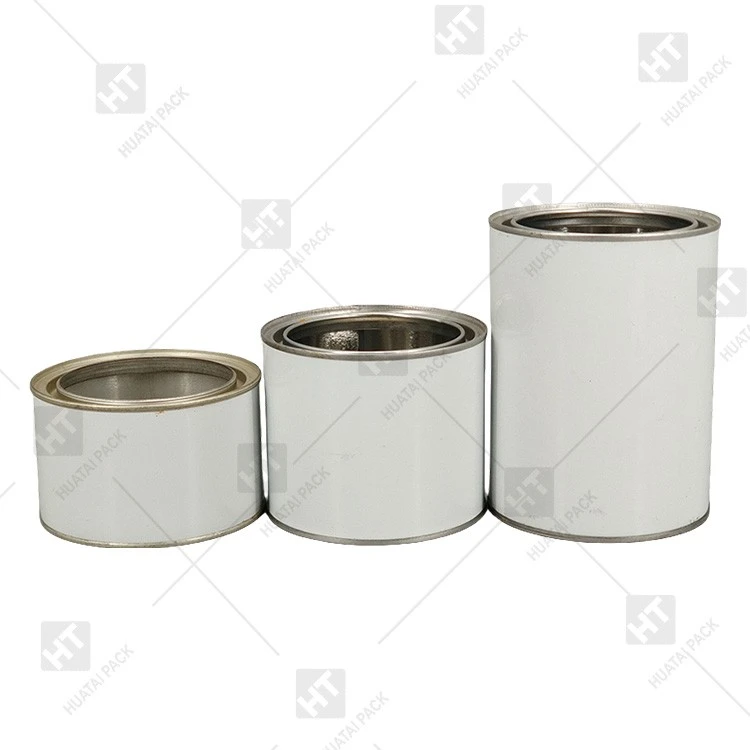
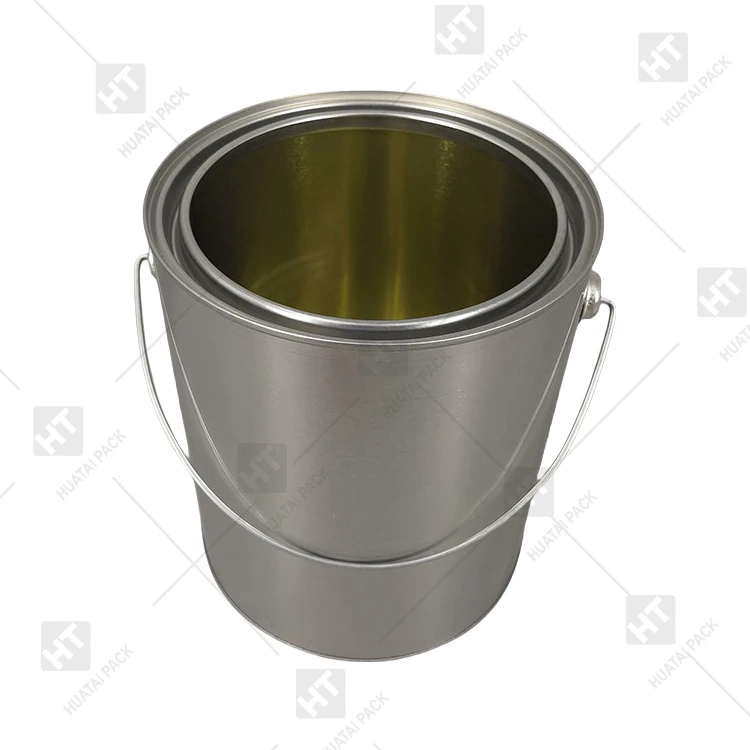
Categorizing paint cans by size is also practical. You can separate small - sized cans from medium and large ones. This helps in optimizing the use of storage space, as you can stack and arrange cans more efficiently based on their size. For example, our 1 Liter Round Tin Cans and 1L Round Paint Cans can be grouped together for easy identification and storage.
Choosing the Right Storage Equipment
Once you have categorized the paint cans, it's time to choose the right storage equipment.
Shelving
Shelving is a popular choice for storing paint cans. You can use adjustable shelving units to accommodate different sizes of paint cans. Make sure the shelves are sturdy enough to support the weight of the cans. You can label each shelf to indicate the category of paint cans stored on it, such as "Latex Paint - Blue" or "Oil - Based Paint - Small Size".
Racks
Rack systems can also be effective for storing paint cans. Vertical racks can save floor space and allow you to stack cans vertically. Some racks are designed specifically for paint cans, with slots or compartments that hold the cans securely.
Cabinets
Cabinets provide a more enclosed storage option. They can protect the paint cans from dust, sunlight, and accidental damage. You can choose cabinets with drawers or doors for easy access. If you have valuable or specialty paint cans, storing them in cabinets can be a good way to keep them safe.
Arranging the Paint Cans
After selecting the storage equipment, it's time to arrange the paint cans.
Stacking
When stacking paint cans, make sure to stack them in a stable manner. Place larger and heavier cans at the bottom of the stack to prevent the stack from toppling over. Avoid stacking cans too high to reduce the risk of damage. If you are stacking Round Metal Tin Can, ensure that they are aligned properly to maintain stability.
FIFO Method
Implement the First - In - First - Out (FIFO) method. This means that the oldest paint cans should be placed in front or on top, so they are used first. This helps prevent paint from sitting in storage for too long and potentially expiring.
Accessibility
Arrange the paint cans in a way that makes them easily accessible. Keep frequently used paint cans at eye - level or within easy reach. You can create an "A - list" of high - demand paint cans and place them in a prime location in the storage area.
Labeling and Inventory Management
Proper labeling is essential for efficient organization.
Can Labels
Label each paint can with important information, such as the type of paint, color, batch number, and expiration date. This information will help you quickly identify the contents of each can and ensure that you are using the paint within its recommended shelf life.
Storage Area Labels
In addition to can labels, label the storage equipment, such as shelves, racks, and cabinets. Clear labels will make it easy for your staff to find the right paint cans quickly.
Inventory Management System
Implement an inventory management system to keep track of your paint can stock. You can use a spreadsheet or a more advanced inventory management software. Regularly update the inventory to reflect new arrivals and sales. This will help you avoid overstocking or running out of popular paint cans.
Environmental Considerations
The storage environment can significantly impact the quality of the paint.
Temperature and Humidity
Maintain a stable temperature and humidity level in the storage area. Extreme temperatures and high humidity can cause the paint to separate, dry out, or develop mold. Most paints should be stored at a temperature between 50°F and 80°F (10°C and 27°C) and a relative humidity of 40% - 60%.
Ventilation
Ensure proper ventilation in the storage area. Paint fumes can be harmful, and good ventilation helps to disperse the fumes. This also helps prevent the build - up of volatile organic compounds (VOCs) in the storage area.
Safety Precautions
Safety should be a top priority when storing paint cans.
Fire Safety
Paint is flammable, so it's important to have fire - safety measures in place. Keep fire extinguishers in the storage area and ensure that your staff knows how to use them. Store paint cans away from heat sources and open flames.
Chemical Compatibility
Be aware of the chemical compatibility of different types of paint. Some paints may react with each other if they come into contact. Keep incompatible paints separated to prevent chemical reactions.
Handling
Train your staff on proper handling procedures for paint cans. Teach them how to lift, carry, and stack the cans safely to avoid injuries.
Conclusion
Organizing paint cans in a storage area is a multi - faceted process that requires careful planning and attention to detail. By assessing the storage space, categorizing the paint cans, choosing the right storage equipment, arranging the cans effectively, implementing proper labeling and inventory management, considering the environmental factors, and taking safety precautions, you can create an organized and efficient storage area for your paint cans.
If you are interested in purchasing high - quality paint cans for your business, we are here to assist you. We offer a wide range of paint cans, including 1 Liter Round Tin Cans, Round Metal Tin Can, and 1L Round Paint Cans. Contact us to discuss your specific requirements and start a procurement negotiation.
References
- "Paint Storage and Handling Guide", National Paint and Coatings Association
- "Best Practices for Organizing Industrial Storage", Industrial Storage Magazine