

How to maintain industrial oil cans?
Jul 07, 2025
Maintaining industrial oil cans is a crucial aspect of ensuring the quality and longevity of the oil they contain, as well as the safety of the storage environment. As a supplier of industrial oil cans, I understand the importance of providing proper guidance on this topic. In this blog, I will share some key strategies and best practices for maintaining industrial oil cans effectively.
1. Understanding the Types of Industrial Oil Cans
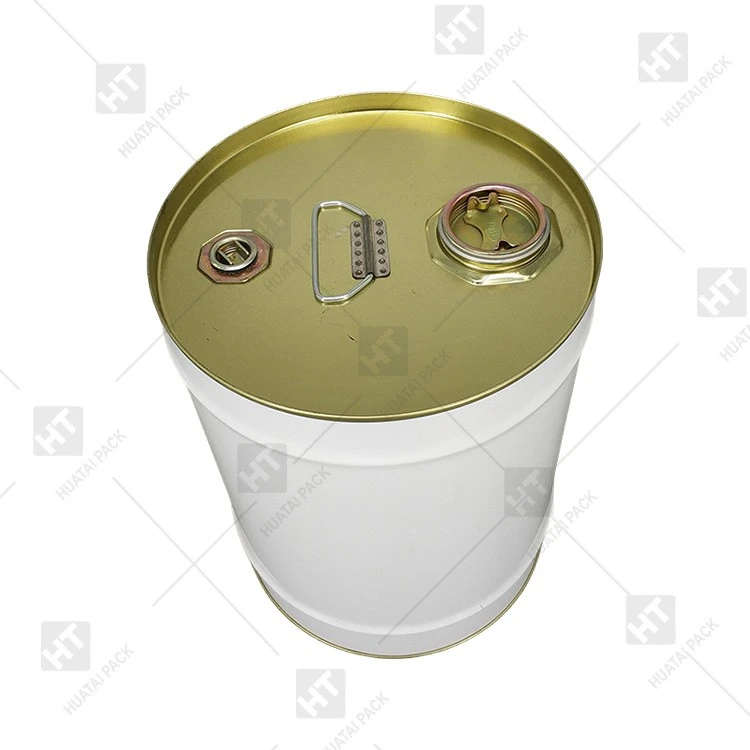
Before delving into maintenance, it's essential to recognize the different types of industrial oil cans available. For instance, we offer a variety of options, including the Chemical Oil Can, which is designed to store specific types of chemical oils safely. There's also the 1L Motor Oil Round Tin Can, ideal for smaller quantities of motor oil, and the 25L Metal Oil Drum, suitable for larger volume storage. Each type has its own characteristics and requirements for maintenance.
2. Storage Conditions
- Temperature Control: Industrial oil cans should be stored in a temperature - controlled environment. Extreme temperatures can have a negative impact on the oil and the can itself. High temperatures can cause the oil to oxidize more rapidly, leading to a decrease in its quality. On the other hand, very low temperatures can make the oil more viscous and may even cause it to solidify in some cases. A general rule of thumb is to store the oil cans in an area where the temperature ranges between 10°C and 30°C.
- Humidity Management: High humidity can lead to corrosion of metal oil cans. Moisture in the air can react with the metal surface, causing rust to form. To prevent this, it's advisable to store the cans in a dry place. If the storage area has high humidity, using dehumidifiers can be an effective solution.
- Ventilation: Proper ventilation is necessary to prevent the build - up of potentially harmful vapors. Some oils may release volatile organic compounds (VOCs), which can be dangerous if inhaled in large quantities. Ensure that the storage area has good air circulation to disperse these vapors.
3. Inspection and Cleaning
- Regular Inspections: Conduct regular inspections of the industrial oil cans. Check for any signs of damage, such as dents, scratches, or leaks. Even small dents can weaken the structure of the can and increase the risk of leakage over time. Inspect the seals and closures to ensure they are intact. If any issues are detected, take appropriate action immediately, such as transferring the oil to a new can or repairing the damaged one if possible.
- Cleaning Procedures: Keep the exterior of the oil cans clean. Dirt and debris on the surface can harbor moisture and accelerate corrosion. Use a mild detergent and a soft cloth to clean the cans. Avoid using abrasive materials that could scratch the surface. For the interior of the cans, if they are to be reused, they should be thoroughly cleaned before refilling. This may involve using appropriate solvents to remove any residual oil and then rinsing and drying the can completely.
4. Handling and Transportation
- Proper Lifting Techniques: When handling industrial oil cans, use proper lifting techniques to avoid dropping or damaging them. Heavy cans, such as the 25L Metal Oil Drum, should be lifted with the help of equipment like forklifts or pallet jacks. This not only protects the cans but also reduces the risk of injury to the workers.
- Secure Transportation: During transportation, ensure that the oil cans are properly secured. Use appropriate packaging materials and restraints to prevent the cans from moving around and colliding with each other. This helps to avoid damage that could lead to leaks.
5. Labeling and Documentation
- Accurate Labeling: Each industrial oil can should be clearly labeled with information such as the type of oil, its specifications, date of filling, and any safety warnings. This makes it easier to identify the contents of the can and ensures that the oil is used correctly.
- Documentation: Maintain detailed records of the oil cans, including their purchase date, storage location, inspection results, and any maintenance activities. This documentation can be useful for traceability and quality control purposes.
6. Preventive Maintenance
- Coating and Protection: Consider applying protective coatings to metal oil cans. These coatings can act as a barrier between the metal and the environment, reducing the risk of corrosion. There are various types of coatings available, such as epoxy coatings, which are known for their durability and resistance to chemicals.
- Seal Replacement: Over time, the seals on the oil cans may wear out. Replace the seals at regular intervals to ensure a tight and secure closure. This helps to prevent the entry of air and moisture, which can degrade the oil.
7. Training and Education
- Employee Training: If you are a business that uses industrial oil cans, provide training to your employees on the proper maintenance and handling of these cans. They should be aware of the potential hazards associated with improper maintenance and the correct procedures to follow.
- Customer Education: As a supplier, we also play a role in educating our customers. We can provide brochures or online resources that explain the best practices for maintaining the industrial oil cans they purchase from us.
In conclusion, maintaining industrial oil cans is a multi - faceted process that requires attention to various factors. By following the strategies outlined above, you can ensure the quality of the oil, the integrity of the cans, and the safety of the storage and handling environment.
If you are interested in purchasing high - quality industrial oil cans or have any questions about their maintenance, we are here to help. Contact us to start a procurement discussion and find the best solutions for your needs.
References

- ASTM International. (Year). Standard practices for storage and handling of industrial oils.
- National Fire Protection Association. (Year). Guidelines for safe storage of flammable and combustible liquids in industrial settings.
- Occupational Safety and Health Administration. (Year). Regulations on handling and storage of hazardous materials, including industrial oils.