

How to maintain a 1l 4l square tin can?
Dec 01, 2025
As a supplier of 1L and 4L square tin cans, I understand the importance of maintaining these products to ensure their longevity and functionality. In this blog post, I'll share some practical tips on how to maintain 1L and 4L square tin cans, which will not only help you keep your cans in good condition but also extend their service life.
1. Cleaning and Sanitizing
Regular cleaning is the first step in maintaining square tin cans. Dirt, dust, and other contaminants can accumulate on the surface of the cans over time, which may not only affect their appearance but also potentially cause corrosion.
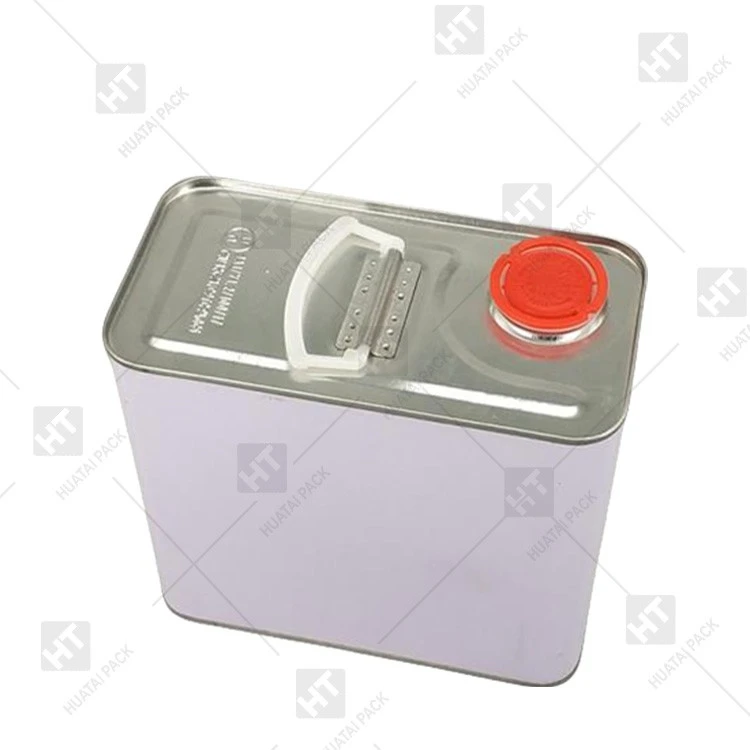

- Initial Rinse: Start by rinsing the can with warm water to remove any loose debris. If the can has been used to store food or other substances, make sure to empty it completely before rinsing.
- Use Mild Detergent: For a more thorough clean, use a mild detergent. Avoid using abrasive cleaners or scouring pads, as they can scratch the surface of the tin can, making it more susceptible to rust. Gently scrub the inside and outside of the can with a soft sponge or cloth.
- Rinse Thoroughly: After scrubbing, rinse the can thoroughly with clean water to remove all traces of detergent. Any remaining detergent can attract dirt and may also react with the contents of the can if it's reused.
- Dry Completely: Once rinsed, dry the can completely with a clean towel. Moisture left inside or outside the can can lead to rust formation, so ensure that all areas are dry.
2. Storage Conditions
Proper storage is crucial for maintaining the quality of square tin cans. The environment in which the cans are stored can significantly impact their durability.
- Temperature and Humidity: Store the cans in a cool, dry place. High temperatures and humidity can accelerate the corrosion process. Ideally, the storage area should have a relative humidity of less than 60% and a temperature between 10°C and 30°C.
- Avoid Direct Sunlight: Exposure to direct sunlight can cause the paint or coating on the tin cans to fade and may also increase the temperature inside the can, which can be harmful if the can is storing sensitive materials.
- Stacking: When stacking the cans, be careful not to stack them too high. Excessive weight on the bottom cans can cause deformation, especially if the cans are made of thinner tin. Also, ensure that the cans are stacked evenly to prevent them from toppling over.
- Separation: If you're storing different types of cans or cans with different contents, separate them to avoid any potential chemical reactions. For example, if one can contains acidic substances and another contains alkaline substances, keeping them in close proximity could lead to corrosion if there's a leak.
3. Inspection and Maintenance Checks
Regular inspections can help detect any issues with the tin cans early on, allowing for timely repairs or replacements.
- Visual Inspection: Periodically inspect the cans for signs of damage, such as dents, scratches, or rust spots. Even small scratches can expose the underlying metal to the environment, leading to corrosion.
- Seal Integrity: Check the seals of the cans, especially if they are intended for storing liquids or air - sensitive materials. A damaged seal can allow air, moisture, or contaminants to enter the can, compromising its contents.
- Lid Fit: Ensure that the lids fit properly on the cans. A loose - fitting lid can also lead to the entry of air and moisture, while a lid that is too tight may be difficult to remove and could cause damage to the can when forced open.
- Repair Minor Damages: If you notice minor scratches or dents, you can repair them to prevent further damage. For small scratches, a touch - up paint can be used to cover the exposed metal and prevent rust. For dents, you can try to gently reshape the can using appropriate tools, but be careful not to damage the can further.
4. Handling Precautions
How the cans are handled during transportation and use can also affect their condition.
- Lifting and Carrying: When lifting or carrying the cans, use proper lifting techniques. Avoid dropping or banging the cans, as this can cause dents and damage to the seams.
- Use Appropriate Tools: If you need to open or close the cans, use the appropriate tools. For example, use a can opener designed for tin cans to avoid damaging the can's edge.
- Avoid Sharp Objects: Keep the cans away from sharp objects that can puncture or scratch them. If the cans are being used in an industrial setting, ensure that they are stored and used in an area where they won't come into contact with sharp machinery or tools.
5. Coating and Protection
Applying a protective coating to the tin cans can enhance their resistance to corrosion and damage.
- Factory - Applied Coatings: Most of our 1L and 4L square tin cans come with a factory - applied coating that provides a certain level of protection. However, over time, this coating may wear off, especially in areas that are frequently handled or exposed to abrasion.
- Additional Coatings: You can apply an additional protective coating, such as a clear lacquer or a rust - inhibiting paint, to the cans. This can provide an extra layer of protection against corrosion and can also improve the appearance of the cans.
- Regular Re - coating: Depending on the usage and storage conditions, consider re - coating the cans periodically to maintain their protective properties.
Why Choose Our Square Tin Cans?
Our 1L and 4L square tin cans are made of high - quality tinplate, which is known for its durability and corrosion resistance. We use advanced manufacturing techniques to ensure that the cans have a smooth surface and strong seams. Additionally, our cans are available in a variety of styles and finishes to meet different customer needs.
If you're interested in our Square Iron Can, Rectangular Tin Cans, or F-Type Metal Can, feel free to contact us for more information. We're committed to providing high - quality products and excellent customer service. Whether you need cans for food storage, industrial use, or any other application, we can offer the right solution for you.
Contact for Procurement
If you're looking to purchase 1L or 4L square tin cans, we invite you to reach out for procurement discussions. Our team of experts is ready to assist you in finding the best products that meet your specific requirements. We can offer competitive prices, customized solutions, and reliable delivery. Don't hesitate to start the conversation with us, and let's work together to meet your packaging needs.
References
- "Handbook of Tinplate Technology" by Tinplate Manufacturers Association.
- "Corrosion Prevention and Control in Metal Packaging" by American Society for Testing and Materials.
- "Best Practices for Storage and Handling of Metal Cans" by International Association of Packaging Manufacturers.